
First Home Loan eligibility for new residents in New Zealand
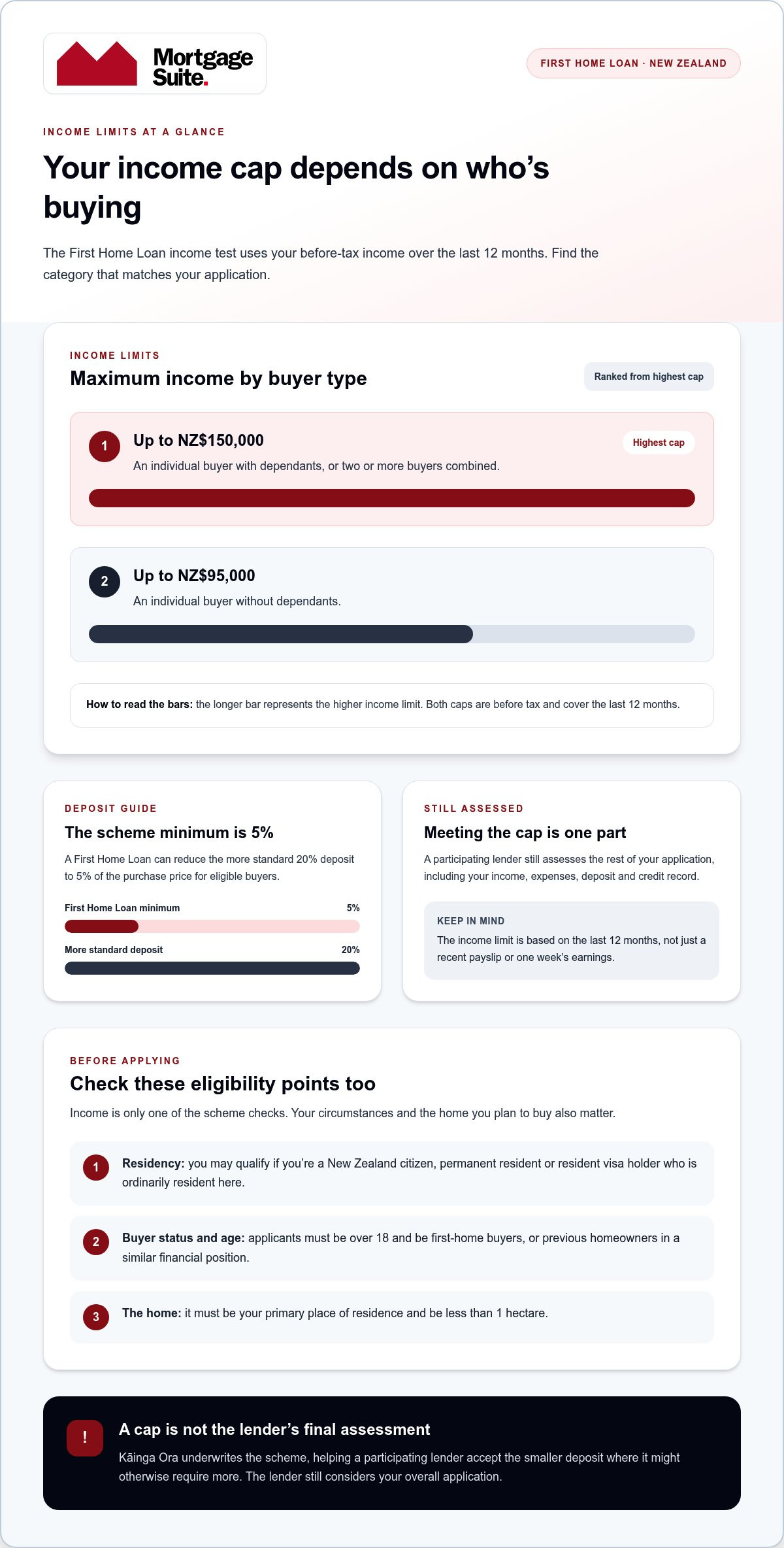
A first home loan for new residents in NZ may be possible if you’re a New Zealand citizen, permanent resident or resident visa holder who is ordinarily resident here, and you meet the scheme’s other criteria. The minimum deposit is 5% of the purchase price. Income limits also apply: up to NZ$95,000 before tax over the last 12 months for an individual buyer without dependants, or NZ$150,000 for an individual with dependants or for two or more buyers combined.
It’s understandable to feel unsure about applying for a first home loan for new residents in NZ. You may have a limited New Zealand credit history, and working out how your visa, income and overseas credit record fit together can feel like a lot to manage.
This guide explains who may qualify, what deposit and income rules apply, and how lenders assess applications. You’ll also learn what evidence to prepare, including how to present your home-country credit history, so you can understand your options and decide on a next step.
Key Takeaways
- Check that your visa and ordinary residence status fit the scheme’s eligibility rules before you begin an application.
- You’ll need to buy a home to live in, and you must be a first-home buyer or meet the criteria for a previous homeowner in a similar financial position.
- If you’re new to New Zealand, evidence of your credit history from your home country can help lenders assess your application.
- Prepare clear records of your income, deposit and financial commitments so a lender can consider your overall ability to manage repayments.
- Mortgage Suite offers home loans to first-home buyers and can help you consider lending options that fit your circumstances.
First Home Loan deposit requirements
A First Home Loan can let eligible buyers purchase a home with a minimum deposit of 5% of its purchase price. Kāinga Ora underwrites the scheme, helping a participating lender accept that deposit where it might otherwise require more. The scheme can reduce the more standard 20% deposit to 5%, but the lender still assesses the rest of your application.
Work out the deposit by multiplying the agreed purchase price by 0.05. For example, if you’re comparing homes at different prices, calculate 5% of each price separately. This gives you a clear deposit target for each option. A larger deposit may give you more flexibility, but the scheme’s minimum is 5%.
A deposit can come from your savings or a family gift. If someone offers to help, clarify whether the money is a gift or a loan. A loan must be repaid, creating a financial commitment the lender will consider. Keep a record of who provided any gift and whether repayment is expected.
Tell the lender about gifted funds early in the application. They may ask for documents explaining where the deposit came from and whether any part must be repaid. Keep the amount and terms consistent across your application and supporting records. If several family members contribute, record each contribution separately so the source of the full deposit is clear.
The home must be less than 1 hectare and must be your primary place of residence. A First Home Loan is for a home you’ll live in, not a property you plan to rent out. Before making an offer, check that the property fits these scheme requirements and that your deposit plan covers the purchase price.
Permanent residents can generally buy residential property in New Zealand if they meet the relevant criteria. However, visa status and First Home Loan eligibility are separate checks. Depending on their circumstances and the purchase, some buyers may also need consent from Land Information New Zealand.
Foreign-buyer rules generally limit residential property purchases to citizens and residents who meet certain criteria. Some buyers need consent from Land Information New Zealand before purchasing. These rules are separate from a lender’s assessment, so consider both your eligibility to buy the property and the lender’s requirements before proceeding.
To prepare, calculate the 5% deposit, identify whether any family contribution is a gift or repayable loan, and check that the home meets the scheme’s property rules. That gives you a practical starting point for discussing the deposit with a participating lender.
Applying for a First Home Loan
Start by organising your application evidence, then work through eligibility, borrowing capacity and the property search. A First Home Loan applicant must be over 18, buy a home to live in as their primary residence, and qualify as a first-home buyer or a previous homeowner in a similar financial position.
Application documents
Prepare identity and visa records, proof of income, bank statements and evidence of savings. If your New Zealand credit history is limited, include evidence of your credit history from your home country. These documents help a lender understand your identity, income, money management and deposit funds.
Organise your records into clear groups before applying. An employee, for example, could gather recent payslips and employment details, while a self-employed applicant could prepare business income records. Include regular expenses and existing debts so the lender can assess your ability to manage repayments. Keep documents current, and check that names and dates match across your application.
- Identity and visa documents
- Income and employment records
- Bank statements and savings evidence
- Overseas credit history evidence, if you’re new to New Zealand
- Details of debts and regular expenses
Steps to buying a first home
Use a step-by-step approach to keep your application and property search organised. First, check that you meet the First Home Loan criteria, including age, buyer status and owner-occupier requirements. Then organise your documents and set a budget that accounts for regular commitments as well as mortgage repayments.
Next, apply through a participating lender and provide the requested information. The lender assesses your income, expenses, deposit and credit record before deciding whether the application can proceed. Once you understand your borrowing position, look for a suitable home and review its condition and purchase details before making an offer.
After your offer is accepted, complete the lender’s remaining requirements and arrange the legal steps needed to transfer ownership. The purchase process can take as little as 3 to 4 weeks after finding a property, so keep documents accessible and respond promptly to requests. A property bid, once formally accepted, does not leave room for last-minute offers.
Keep your application details consistent throughout. If your employment, income or financial commitments change while you’re applying, update the lender before proceeding. If you previously owned a home, prepare information about your current financial position and how it compares with that of a first-home buyer. An organised file makes your circumstances easier to explain.
Income thresholds
First Home Loan income limits depend on how many people are buying and whether an individual buyer has dependants. The test uses before-tax income over the last 12 months, not just a recent payslip or one week’s earnings.
Use the category that matches your application:
- An individual buyer without dependants can earn up to NZ$95,000 before tax over the last 12 months.
- An individual buyer with one or more dependants can earn up to NZ$150,000 before tax over the last 12 months.
- Two or more buyers can have combined before-tax income of up to NZ$150,000 over the last 12 months.
These are maximum income limits for scheme eligibility, not a guide to how much a lender will approve. The lender also considers your income alongside expenses, debts and the repayments you could manage. Meeting the income limit is one part of qualifying, not a calculation of your borrowing amount.
For two buyers, add both applicants’ income across the same 12-month period. For example, two teachers with combined income of NZ$150,000 sit at the stated limit for two or more buyers. If their combined income exceeds that threshold, they don’t meet this income criterion, even if one applicant earns considerably less than the other.
An individual with dependants has a different limit from an individual without dependants. A single parent earning NZ$120,000 before tax over the last 12 months, with one child, is below the NZ$150,000 threshold for an individual buyer with dependants. The dependant category matters, so make sure your application records your household circumstances accurately.
Before applying, list the income you received during the full 12-month period. Include each buyer’s income when applying together, and keep the figures consistent with the records you provide. If your earnings changed during that period, such as after starting a new role, use the whole period rather than treating your current pay as the only relevant amount.
Self-employed applicants should organise records that show income across the same assessment period. For example, a landscaper with annual income of NZ$95,000 appears in a scheme case study, but that figure alone doesn’t establish every applicant’s eligibility. The applicable threshold still depends on whether the applicant is buying alone, has dependants, or is applying with another buyer.
Check your income category before planning around a First Home Loan. If you’re buying with someone else, compare your combined income with the shared limit. If you’re applying alone, identify whether the dependant threshold applies, then prepare clear evidence for the full 12-month assessment period.
Lender credit assessment
A lender assesses whether repayments fit your finances by looking at your income, expenses, debts and credit record. If you’ve recently arrived, your overseas credit history can help fill gaps in your New Zealand record.
Lenders available to recent migrants
All major banks in New Zealand offer home loans, but not every lender offers the First Home Loan scheme. The scheme is available through participating lenders, which assess applications against their own lending criteria as well as the scheme’s eligibility rules.
Compare lenders by how they assess your income, overseas records and overall application, not just by interest rates. If a mainstream bank declines your application, that decision doesn’t mean you have no other lending options.
Income, credit and employment criteria
For scheme eligibility, income limits depend on your household category and before-tax income over the last 12 months. A lender also considers whether your income and regular commitments leave room for repayments. Employment evidence helps show how you earn, while bank statements can give context to spending and existing debts.
You may have little or no New Zealand credit history as a new resident. Bring evidence of your home-country credit history alongside local bank statements and income records. This gives a lender more information than a brief local record alone. Clearly disclose relevant details, including any credit commitments that continue overseas.
Credit assessment considers the full picture, not just one document. A lender may look at whether your income is regular, how much you owe and whether your spending leaves money available for mortgage payments. Be ready to explain changes in employment or income, and make sure your application matches your supporting records.
Before applying, organise a simple file containing:
- Evidence of income and employment, such as payslips or business records.
- New Zealand bank statements and details of current debts.
- Credit history documents from your home country.
- Information about any overseas financial commitments.
For example, if you’ve recently arrived and have a brief New Zealand credit file, overseas credit records, local account statements and clear employment evidence can provide a fuller picture. These documents help a lender understand how you manage credit and income across both countries.
Answer lender questions promptly and explain any differences between overseas and New Zealand records. If a mainstream lender declines your application, another lender’s assessment approach may better fit your circumstances. A clear application helps the lender assess the evidence you provide.
Which New Zealand residency visas qualify for a home loan?
Eligible applicant categories for a First Home Loan include New Zealand citizens, permanent residents and resident visa holders. A resident visa holder may qualify if they’re ordinarily resident in New Zealand. Visa status is only one part of the picture, so have evidence of your immigration status and where you live ready for the application.
Citizenship, permanent residence and a resident visa are distinct statuses. Check which applies to you, then use the same status in your application as shown on your official documents. If you hold a resident visa, be prepared to show that you ordinarily live in New Zealand. The scheme’s other requirements still apply, even if your visa category is eligible.
Buying residential property is separate from meeting home-loan criteria. In New Zealand, residential property purchases are generally limited to citizens and residents who meet certain criteria. Some buyers may also need consent from Land Information New Zealand. This purchase assessment is distinct from the lender’s assessment of your mortgage application.
Keep both processes in view as you plan. Your visa category can help establish whether you may apply for the loan scheme, while property-purchase rules determine whether you can buy the home. If consent is required in your circumstances, that is a separate step from providing visa evidence to a lender.
Organise your information in a clear order:
- Identify whether you’re applying as a citizen, permanent resident or resident visa holder.
- Gather documents showing your current immigration status.
- If you hold a resident visa, prepare evidence that you’re ordinarily resident in New Zealand.
- Consider the separate residential property purchase rules that apply to your situation.
For example, a resident visa holder who ordinarily lives in New Zealand may fit the scheme’s resident-visa category. That status alone doesn’t mean every loan requirement is met or resolve a separate purchase-consent question. Keep these distinctions clear as you prepare your application and plan a property purchase.
Use consistent details across your visa documents and loan application, including your name and current address. If you’ve recently changed address, make sure the evidence you provide reflects your present circumstances. Mortgage School’s mortgage application guidance can help you organise the wider application paperwork alongside your residency evidence.
In September 2025, the New Zealand Government announced its intention to change the Overseas Investment Act to allow holders of an Active Investor Plus Visa, Investor 1 Resident Visa or Investor 2 Resident Visa to buy or build a house valued at NZD $5 million or more. The planned New Zealand property-purchase changes for certain investor visa holders are expected to come into effect in early 2026.
Mortgage Suite: Home Loans to First Home Buyers
Mortgage Suite provides Home Loans to First Home Buyers, helping you consider lending options that fit your circumstances. If your visa status, overseas credit history or income makes the application feel complicated, a clear conversation about your goals and finances can help you understand the next steps.
Gather your visa evidence, income records, deposit details and credit history from your home country. This gives your lending discussion a practical starting point and helps identify which parts of your application may need more attention. A mainstream-bank decline doesn’t necessarily close off every option, though approval depends on meeting the relevant lender’s criteria.
If you’re ready to discuss your first-home plans, contact Mortgage Suite for free, no-obligation guidance on Home Loans to First Home Buyers.
Take your next step with a clear plan
A first home loan for new residents in NZ involves more than eligibility checks. It’s a commitment that should suit the life you’re building here, including your work plans, household needs and comfort with regular repayments. Before moving ahead, write down what matters most in a home and what questions you still need answered. This gives you a practical starting point for a focused lending conversation.
Mortgage Suite offers Home Loans to First Home Buyers and can help you discuss your application and next steps. You don’t need every detail sorted before starting a conversation. Share your goals and circumstances, then work through your options with a clear view of what comes next.
Contact Mortgage Suite about your application and take the next step towards making New Zealand home.
Frequently Asked Questions
Can new residents in New Zealand buy a first home and get a mortgage?
Yes, a new resident may be able to buy a first home and apply for a mortgage in New Zealand. Treat permission to purchase and mortgage approval as separate parts of your plan. Before committing to a property, understand which checks apply to your circumstances and allow time to address each one. Progress with a lender does not, by itself, mean you have permission to complete the purchase.
What deposit do first-home buyers need for a mortgage in NZ?
An eligible First Home Loan has a minimum deposit of 5% of the purchase price. Work out the amount using the price in your offer, then keep a clear record of where the deposit funds came from. A family contribution should be clearly identified as a gift or a loan, since a repayable amount is a financial commitment. The lender assesses the deposit as part of your full application.
What are current New Zealand mortgage rates and first-home loan options?
There isn’t one mortgage rate for every New Zealand borrower. Rates and loan structures vary, so compare written offers using the same repayment frequency and fixed-rate period. Consider how each option fits your plans if your income or household needs change. A lower headline rate alone may not show whether the loan structure and flexibility suit your longer-term goals.
What extra costs and legal fees should first-home buyers budget for in NZ?
Budget for the First Home Loan’s 1.2% Lender’s Mortgage Insurance premium, which can be paid upfront or added to the loan, as well as council rates and home insurance. The material provides no basis for estimating legal fees.