
Should You Renovate Or Sell Your House In 2026?
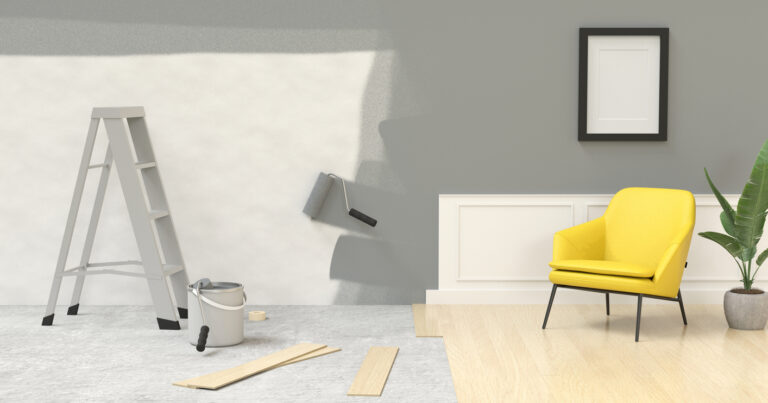
Does it feel like your home no longer suits your lifestyle?
You are not alone! Many Kiwi homeowners reach a point where they ask the question of whether they should renovate or sell their home.
With interest rates set to rise, a global conflict raging, and a property market that isn’t exactly moving forward, the decision has become harder than ever!
Here’s how you can think it through.
Key Considerations: Renovate or Sell…
Before jumping into a decision to sell or renovate, here are the important things to consider:
Renovating might suit you if:
- You love your location, neighbours and community
- You can add value to your property through improvements
- The cost of renovating makes sense – perhaps it is lower than selling and buying
- You want to avoid the costs of moving, like agent and legal fees
- You can comfortably take on additional lending
Selling may be the right option if:
- The size, layout or location of your home no longer fits your needs
- Renovation costs would be high or uncertain
- You’d like a fresh start without disruption
- You can access better opportunities in the current market
- You don’t want to take on more debt or manage a renovation project
The Rise Of Low-Rate Renovation Loans
A number of banks have been offering very low interest rates for renovations that are sustainability-focused. Certain home loan top-ups offer rates as low as 1% for homeowners looking to make energy-efficient improvements.
Those improvements could include upgrades like insulation, heating, solar panels, double glazing, ventilation systems, or even rainwater tanks. It’s a great opportunity to make practical upgrades to your home at a low interest rate. The only problem is that it doesn’t cover common renovation areas like the kitchen and bathroom.
Until now. ANZ has just introduced a 2.5% renovation loan, fixed for 3 years. It allows homeowners to borrow up to $50,000 as a top-up to their existing mortgage. Designed to help people improve their existing property, it can be a good solution to ensure your home still meets your lifestyle needs.
The Hidden Risks Of Cheap Money
While these low-rate offers are an attractive way to get your renovations completed, it is important to remember that they don’t tell the whole story. When you take on any form of additional debt, it comes with risks, even if the rate is 1% or 2.5%.
Remember that:
- Short-term rates don’t last forever
Many of these offers will revert to standard rates after a few years, meaning your repayments could increase. Can your budget handle that?
- Renovation costs can blow out
Budget overruns are common, especially if you are renovating an older home. You may need to borrow more to cover those blowouts.
- You are still increasing your total debt
Even cheap debt adds to your long-term repayments and interest exposure. Don’t fall into the trap of borrowing more than you can afford.
- Overcapitalising is a real risk
There is the possibility that you could end up spending more on renovations than you add in value. This could leave you worse off financially, unable to recoup the cost of your renovations when you do finally sell.
- Lifestyle creep
It can feel easy to justify upgrades when you feel like you are getting a good deal. But, they may not actually improve your property or add long-term value.
The key takeaway here is that just because you can borrow cheaply, it does not mean you should!
How To Decide What Is Right For You
Choosing whether to sell or renovate is not just a financial decision; it is a lifestyle one too. Gathering all the available information is essential.
First, you should consider what the property market is telling you. Right now, it is not booming and could even decline with the recent global unrest impacting all parts of our economy. That may mean you won’t get the same capital gains as you would in a booming market because buyers are more price-sensitive. Renovating could help you create value instead of waiting for the market to change.
In saying that, moving could still make sense if your needs have changed significantly, or the cost of renovations is close to the cost of selling and buying.
Asking yourself these questions may help you decide:
- What will this decision look like in 5–10 years?
- Are you improving your financial position or just spending?
- How will this affect your cashflow and flexibility?
- Are you comfortable carrying more debt if interest rates rise later?
Final Thoughts
There’s no one-size-fits-all answer.
- Renovating can be a smart way to add value and stay in a home you love, especially with low-rate lending options available.
- Selling can be the better option if your needs have changed or the numbers don’t stack up.
The right decision comes down to your goals, your finances, and your future plans. The friendly team here at Mortgage Suite would love to discuss those things with you so that you can decide the right path for you.
Before you commit to either path, it’s worth getting clear advice. We can help you:
- Run the numbers properly
- Compare lending options
- Structure your mortgage for the best outcome
Get in touch with our team today and make sure your next move is the right one.