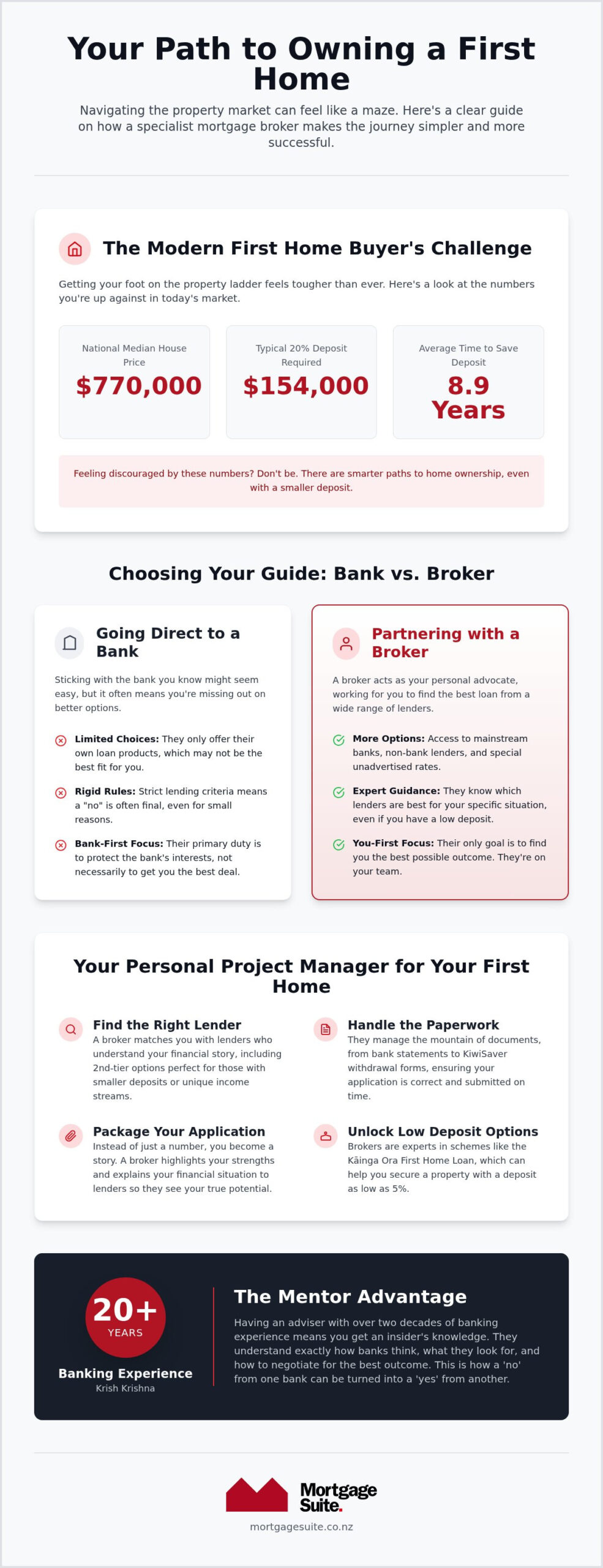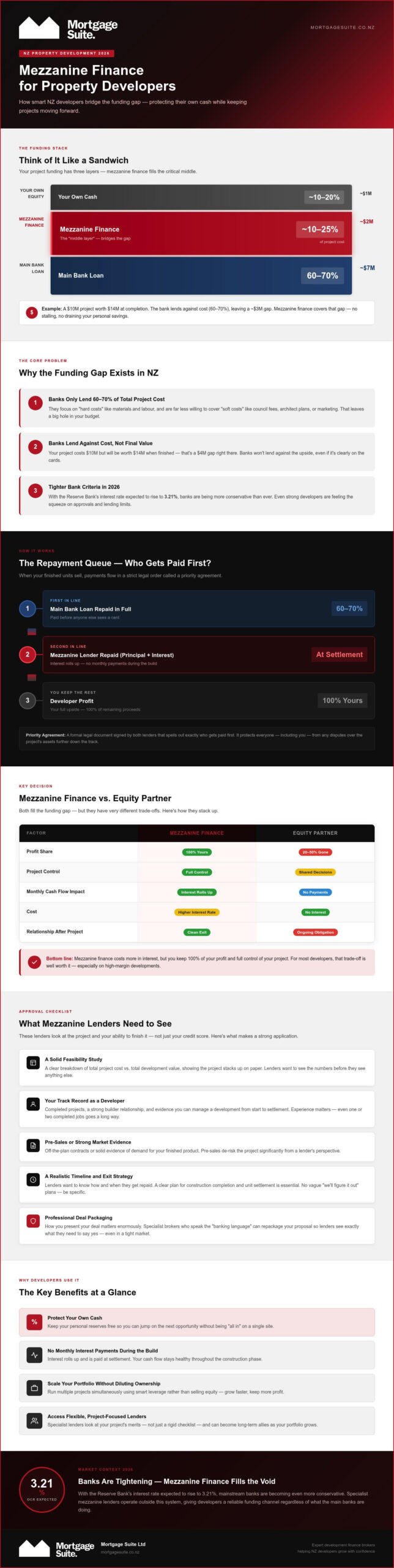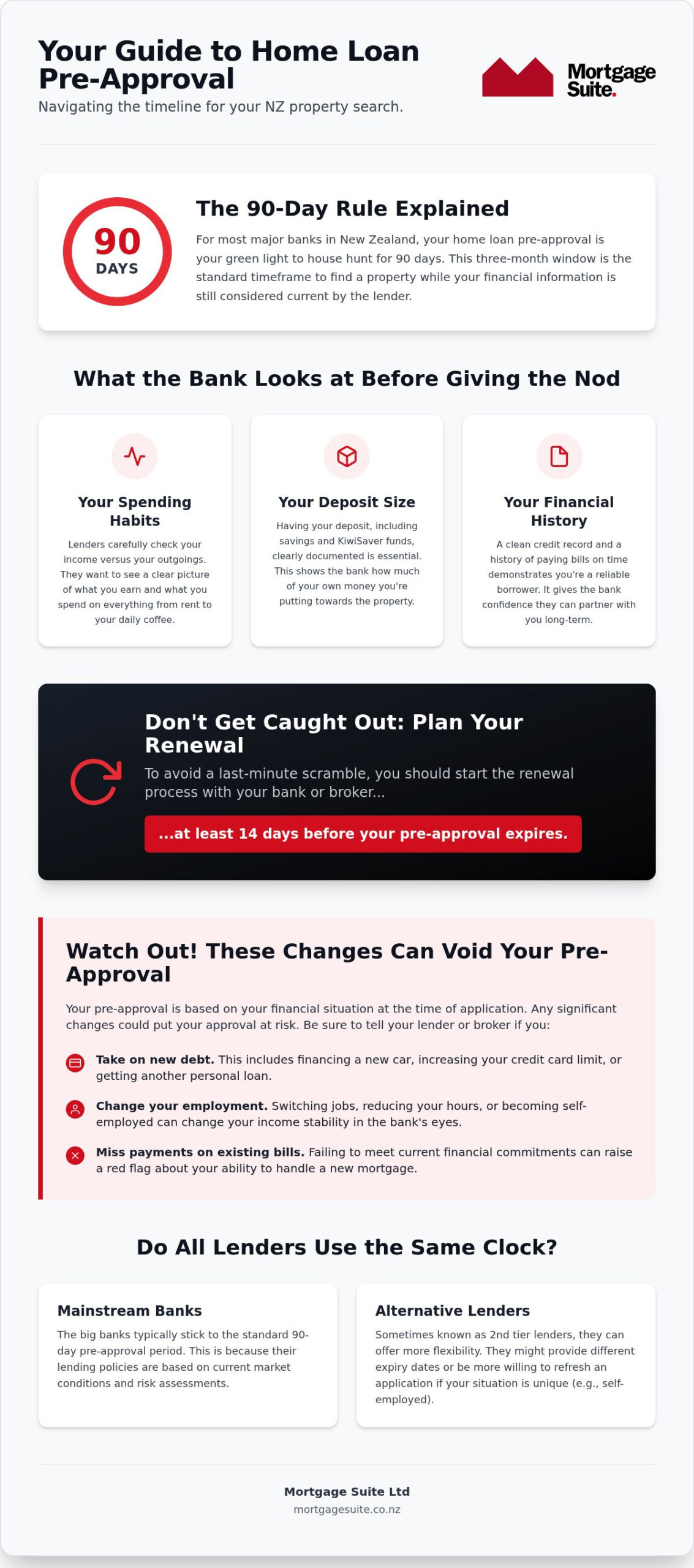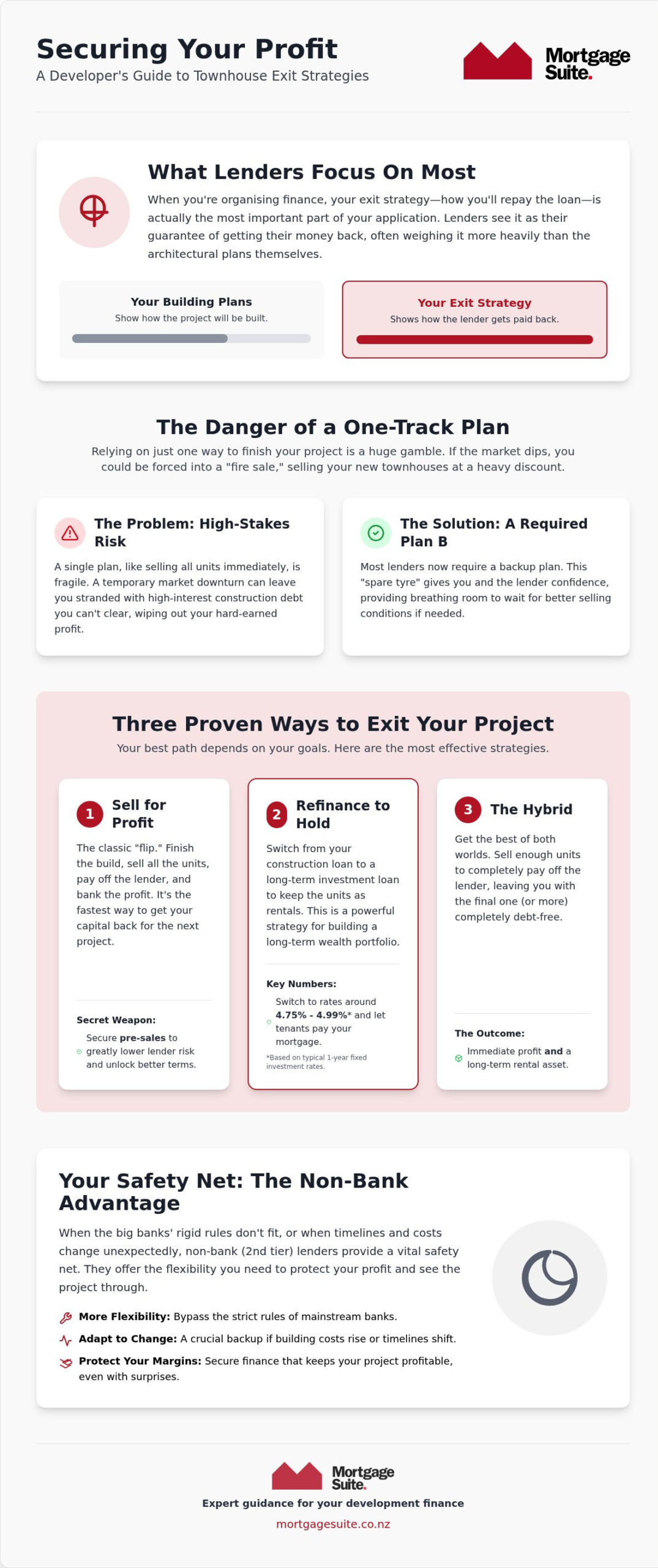

Buying a Tenanted Property in NZ: 2026 Buyer Guide

Imagine finding your dream home at the perfect price, only to realise someone else is already calling it home. It is a common scenario when buying tenanted property nz buyers often face, and it usually brings a wave of “what ifs.” You might be worried that an existing lease will block your KiwiSaver withdrawal or that you will be stuck in a legal tug-of-war over move-in dates. It is completely natural to feel a bit of floor-shaking anxiety when the phrase “vacant possession” starts appearing in your sale and purchase agreement.

We have spent years helping Kiwis navigate these exact hurdles, and we know that a tenanted property does not have to be a deal-breaker. This guide is designed to take the stress out of the process by showing you how to handle the legal and financial maze with confidence. You will learn about the latest 2026 notice periods, how to structure your loan so the bank stays happy, and exactly what you need to do to ensure your transition to either landlord or homeowner is seamless. From Healthy Homes compliance to the nitty-gritty of the Residential Tenancies Act, we have mapped out a clear path forward for your next move.

Key Takeaways

  • Get clear on the 2026 notice periods, such as the 42-day requirement for periodic tenancies when you need the home for yourself.
  • Learn how buying tenanted property nz changes your deposit needs, as banks often look for a 30-35% stake if you aren’t moving in straight away.
  • Master the “vacant possession” clause in your sale and purchase agreement to ensure you don’t end up with unexpected delays on settlement day.
  • Verify that the home meets the full Healthy Homes Standards to protect yourself from heavy fines and ensure your investment is up to scratch.
  • Discover how to structure your finance correctly so you can secure a loan even when a property already has tenants.

The Basics of Buying a Tenanted Property in NZ

When you’re browsing property listings, you’ll often see phrases like “tenanted” or “ideal investment opportunity” popping up. A tenanted property purchase is a sale where an existing rental agreement remains in place at the time of the offer. This means you aren’t just buying bricks and mortar; you’re stepping into the middle of a legal relationship between a landlord and a tenant. It’s a unique path that requires a bit more homework than a standard house hunt.

For some buyers, this setup is a huge plus. If you’re looking for a residential investment, having a tenant already paying rent from day one is a dream. For others who want to move in themselves, it can feel like a bit of a hurdle. These properties sometimes have a different vibe because the presentation depends on the tenant rather than a professional staging company. You might even find the price point is slightly more attractive because the pool of buyers is smaller; many first home buyers shy away from the perceived complexity of Landlord-tenant law and the extra paperwork involved.

Fixed-Term vs. Periodic Tenancies: Why It Matters

The type of tenancy agreement in place is the most important detail you need to uncover. A periodic tenancy is quite flexible. If you want to move in, you can usually give the tenants 42 days’ notice once the sale goes unconditional. However, a fixed-term tenancy is a different beast altogether. These are locked in until a specific date. Unless the tenant agrees to leave early in writing, you can’t ask them to move out just because you bought the house. You can usually spot the difference by checking the “Tenancy” section of the sale and purchase agreement or asking the agent for a copy of the lease before you make an offer.

Understanding Your Rights as a Prospective Buyer

You have a right to know exactly what you’re taking on, but you must respect the tenant’s privacy. The seller is required to provide details about the current lease, including the rent amount and the bond status. It’s also vital to ask for the Healthy Homes compliance certificate early in your due diligence. Since July 2025, all private rentals must meet these standards without exception. If the property isn’t compliant, you could be looking at a $7,200 fine from the Tenancy Tribunal shortly after you take over. When buying tenanted property nz regulations require total transparency from the seller, so don’t be afraid to ask for every scrap of paperwork before you commit your hard-earned deposit.

The “Vacant Possession” Clause: Your Most Important Decision

When you’re looking at the sale and purchase agreement, “vacant possession” is the most important phrase you’ll encounter. In plain English, it’s a legal promise from the seller that the property will be empty and ready for you to walk into on settlement day. If you’re buying tenanted property nz for your own home, this clause is your safety net. Without it, you are essentially agreeing to take over the existing rental arrangement, which could leave you with a moving truck full of furniture and nowhere to put it if the tenants are still there.

The risks of a messy settlement are real. If the tenants haven’t moved out by the agreed time, the seller hasn’t met their contract obligations. This can lead to expensive delays, penalty interest, and a lot of unnecessary stress. This is why your lawyer and mortgage broker need to be perfectly aligned. Your broker needs to know your move-in plans because banks view a home loan differently than an investment loan. If you’re unsure how this affects your borrowing power, chatting with a specialist from Mortgage Suite Ltd who understands residential investment property loans is a smart first step to keep your finance on track.

Moving In: How to Ensure the House is Empty

According to the Residential Tenancies Act 1986, the rules for ending a tenancy during a sale are quite specific. If the tenants are on a periodic agreement, the landlord must give them at least 42 days’ notice to leave once the sale goes unconditional. Timing is everything here. You’ll want to ensure your settlement date is set far enough in the future to allow for this notice period. On move-in day, do a final inspection early. Check that the house is empty and clean before the money changes hands to avoid any “surprises” after you’ve already paid.

Becoming a Landlord: Taking Over the Tenancy

If you’ve decided to keep the tenants on, the transition is usually quite straightforward. You don’t necessarily need to sign a brand-new agreement the moment you take over, as the existing one remains valid. However, you and the seller must complete a “Change of Landlord” form to transfer the bond over to your name with Tenancy Services. It’s also a great time to review the current rent. If it hasn’t been adjusted for a while, you might find it’s sitting below the current market rate, which could impact your return on investment. Just remember that you’ll need to follow the proper legal steps if you decide to increase the rent later on.

How Existing Tenants Affect Your Mortgage and Grants

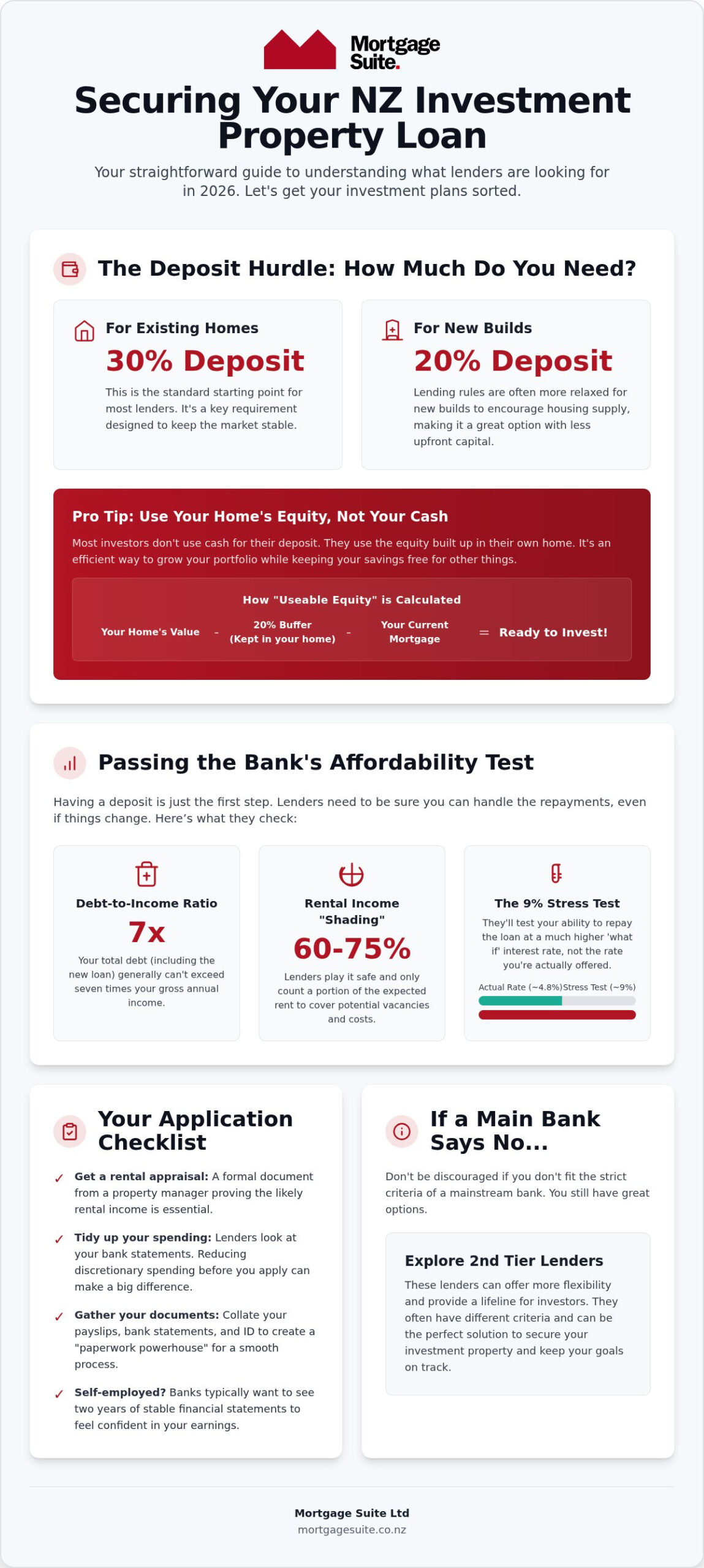
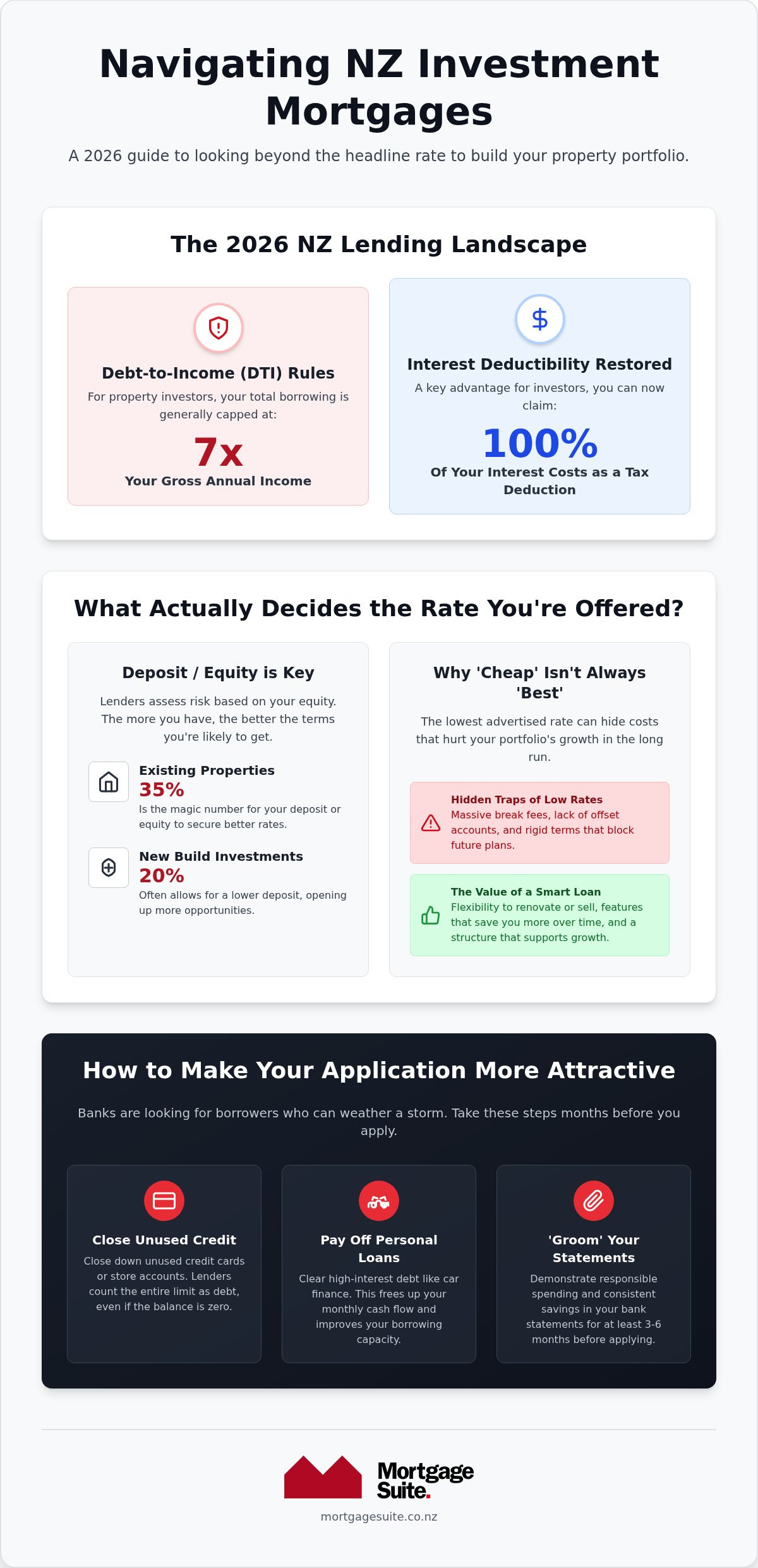
When you’re buying tenanted property nz, the bank doesn’t just look at the price tag; they look at who is going to be sleeping in the bedrooms. This is where your financial plan can get a bit tricky. If you intend to keep the tenants and run the property as a rental, most mainstream banks will ask for a significantly larger deposit. Usually, you’ll need between 30% and 35% of the property’s value upfront. This is a big jump from the 20% deposit often required for a home you plan to live in yourself. The bank sees investment properties as a slightly higher risk, so they want more of your own skin in the game.

There is a silver lining, though. If you are keeping the tenants, you can often use a portion of that rental income to help you qualify for a larger loan. The bank will “shade” the rent, usually counting about 75% of it towards your income, which can give your borrowing power a helpful boost. Because these details can change your budget overnight, a conditional offer is your best friend. It gives you the breathing room to talk to your broker and ensure the bank is happy with the tenancy setup before you’re legally locked in.

KiwiSaver and First Home Grant Hurdles

If you’re a first home buyer, having tenants in the house can create some serious roadblocks for your grants and KiwiSaver withdrawals. To use these funds, you generally have to follow the “owner-occupier” rule, which means you must intend to live in the home as your primary residence for at least six months. If the property has a fixed-term tenant who isn’t leaving for another year, you might find yourself disqualified from using your KiwiSaver altogether. First Home Grant recipients must move into the property within a specific timeframe after settlement. If a long notice period or a stubborn lease prevents you from moving in quickly, you could be asked to pay that grant money back.

Meeting Bank Criteria for “Owner-Occupied” Loans

Banks can be quite particular about proving your intent to move in. If you’re buying tenanted property nz with the goal of making it your home, the bank will want to see a clear plan for when the tenants are leaving. They may even ask to see the “vacant possession” clause we talked about earlier. If there’s any doubt, the bank might re-classify your loan as a residential investment deal. This could mean a higher interest rate and a requirement for that much larger deposit. It’s vital to get a pre-approval that covers both scenarios so you aren’t caught off guard if the tenancy status complicates your application.

Buying a Tenanted Property in NZ: 2026 Buyer Guide

Once you have sorted your finance, it is time to roll up your sleeves and look at the paperwork. Getting the legal details right is what separates a smooth move from a settlement day disaster. When you are buying tenanted property nz, you need a clear checklist to ensure nothing slips through the cracks during the due diligence phase. Following these five steps will help you stay in control of the process.

  • Step 1: Verify the tenancy type. Do not just take the agent’s word for it. Request a copy of the signed tenancy agreement to confirm if it is periodic or fixed-term.
  • Step 2: Tick the right box. Ensure your lawyer checks that the “vacant possession” box is definitely ticked in the sale and purchase agreement if you plan to move in.
  • Step 3: Confirm the notice. Ask for written proof that the vendor has issued the legal notice to the tenants. The clock only starts ticking once this is officially served.
  • Step 4: The final walk-through. Conduct your pre-settlement inspection as close to the big day as possible. You want to see an empty, tidy house that matches the condition it was in when you signed.
  • Step 5: Organise your insurance. You are responsible for the property the moment the deal is done. Make sure your insurance policy is active and specifically covers your situation, whether you are a homeowner or a landlord.

If you feel overwhelmed by these steps, remember that you do not have to do it alone. You can apply for a home loan with Mortgage Suite Ltd, a team that knows exactly how to guide you through these legal requirements so you can focus on the excitement of your new purchase.

The 90-Day Notice Period Explained

Under the rules in 2026, there are two main notice periods you need to know about for periodic tenancies. If you have bought the house and want to move in yourself, the landlord only needs to give 42 days’ notice once the sale is unconditional. However, if you just want the tenants to leave without a specific reason, such as to start major renovations, the notice period is 90 days. You can sometimes negotiate a shorter timeframe if the tenants find a new place earlier, but they aren’t legally required to leave a day before their notice expires. If they do find a “perfect” new flat and want to head off early, it’s usually best to be flexible to ensure a friendly handover.

Healthy Homes Standards and Your Liability

By July 2026, the grace period for Healthy Homes compliance is long gone. Every private rental in New Zealand must now meet strict standards for heating, insulation, and ventilation. The moment you settle on the property, any non-compliance becomes your problem. If the house doesn’t meet the grade, you could be facing a fine of up to $7,200 from the Tenancy Tribunal. Use your due diligence period to check the compliance statement thoroughly. If the property is lacking, this is a powerful negotiation point to ask for a price reduction to cover the cost of the necessary upgrades.

How Mortgage Suite Ltd Helps You Secure a Tenanted Property

Purchasing a home with people already living in it adds a layer of complexity that can make even the most confident buyer feel a bit wobbly. That is where we step in. Mortgage Suite Ltd looks at your entire financial picture, from your KiwiSaver withdrawal eligibility to your twenty-year investment goals. Our role is to act as your advocate, ensuring that buying tenanted property nz becomes a straightforward step toward your future rather than a source of late-night worry. We believe in building a partnership with you, providing a steady hand as you move through the fluctuating 2026 market.

Sometimes, the big mainstream banks can get a bit “cold feet” when a tenancy agreement doesn’t fit their standard boxes. If a property is perfect but the lease is slightly unusual or the Healthy Homes paperwork is still being finalised, we have the expertise to access 2nd tier loans. These options are designed for clients who don’t fit the rigid criteria of the major banks. This flexibility means we can often find a professional path forward where others see a dead end. Mortgage Suite Ltd takes the stress out of the mountain of paperwork so you can focus on the practicalities of your move.

Why a Seasoned Broker is Your Best Mate

We do more than just find a rate; we negotiate with lenders to ensure your loan is coded correctly from the start. This is vital because a loan misclassified as “investment” when you intend to move in can cost you thousands in higher interest or deposit requirements. Our team deeply understands the fine print of residential investment property loans NZ buyers need to master. If your move-in date gets delayed due to tenant notice periods, we can help you bridge that gap with the bank so your finance remains secure and your settlement stays on track.

Organising Your Finance for a Stress-Free Settlement

Acting fast is the key to success in the current environment. Getting your pre-approval sorted early means you can walk into a tenanted property viewing knowing exactly what you can afford to bid. Mortgage Suite Ltd provides clear, jargon-free advice on mortgage rates nz banks are currently offering, helping you weigh up the costs against the potential rental return. Our goal is to help you decide if a specific property is a “fair go” for your financial health. We give you the confidence to sign that agreement knowing your back is covered, because we believe buying tenanted property nz should be a reward, not a burden.

Ready to Turn That Tenanted Listing into Your Next Home

Buying tenanted property nz doesn’t have to be a legal headache or a financial mystery. By now, you know that getting the “vacant possession” clause right and understanding the 2026 notice periods are the keys to a successful settlement. Whether you’re planning to move in yourself or you’re ready to start your journey as a landlord, the secret is in the preparation. You need to ensure your deposit is structured correctly and that your KiwiSaver eligibility stays protected throughout the process.

We have spent over 20 years navigating the banking world to help Kiwis just like you secure their future. As specialists in home loans for first home buyers New Zealand, we know how to handle the fine print that often trips up others. We’re here to act as your mentor and advocate, making sure you get a fair go with the lenders. Talk to the team at Mortgage Suite about your property goals today and let’s get your next move sorted with confidence. You’ve got this, and we’ve got your back.

Frequently Asked Questions

Can I use my KiwiSaver to buy a house that currently has tenants?

Yes, you can use your KiwiSaver, but you must intend to live in the property as your primary home for at least six months. The main challenge when buying tenanted property nz with KiwiSaver funds is the timing. You need to ensure the tenants can legally move out so you can move in within a reasonable timeframe after settlement. If the tenants are on a fixed-term lease that lasts for months, you might not meet the “owner-occupier” criteria required by your provider.

How much notice do I have to give tenants if I want to move in?

You must give the tenants at least 42 days’ notice to move out if they are on a periodic tenancy and you have an unconditional sale agreement. This notice is specifically for when the owner or a family member needs to move into the home. If you aren’t moving in but want to end the tenancy for another reason, such as starting major renovations, the notice period increases to 90 days. Always ensure this notice is provided in writing to keep everything above board.

Do I need a bigger deposit for a tenanted property in NZ?

Your deposit size depends on whether you plan to be a homeowner or a landlord. If you intend to move in as soon as the tenants leave, most banks will treat it as a standard home loan, which usually requires a 20% deposit. However, if you are keeping the tenants and using the house as an investment, banks typically require a 30% to 35% deposit. It is a good idea to have your finance structured correctly from the start to avoid any surprises with the bank’s lending limits.

What happens if the tenants refuse to move out on settlement day?

If your contract specifies “vacant possession” and the tenants are still there, the seller has breached the agreement. You should never feel pressured to settle if the house isn’t empty as promised. Your lawyer will usually advise you to delay the final payment or set aside a portion of the funds until the property is vacant. In some cases, you may even be entitled to penalty interest from the seller to cover your extra storage or accommodation costs while you wait for the keys.

Is the rent I receive from tenants considered income for my mortgage application?

Yes, banks will generally count a portion of the rental income toward your total earnings. Most lenders use about 75% of the gross rent to account for costs like rates, maintenance, and potential vacancies. This extra income can be a massive help in proving you can afford the loan. When buying tenanted property nz, providing a current tenancy agreement or a rental appraisal to the bank can often boost your borrowing power significantly.

Can I increase the rent as soon as I buy the property?

No, you must follow the existing legal requirements for rent increases. You can only increase the rent once every 12 months, and you must provide the tenants with at least 60 days’ written notice. If the previous owner increased the rent four months before you bought the place, you’ll have to wait another eight months before you can make any changes. It is worth checking the rent history during your due diligence so you know exactly where you stand.

What if the tenants are on a fixed-term lease that doesn’t end for six months?

You will inherit that lease and the tenants until the fixed term expires. Unlike a periodic tenancy, a fixed-term agreement cannot be ended early just because the house has been sold. You’ll become the new landlord and must honour the existing terms until the end date. If you really need to move in earlier, you can try to negotiate a “mutual exit” with the tenants, but they are under no legal obligation to agree to leave before the term is up.

Do I have to pay GST when buying a tenanted residential property?

Generally, you won’t have to pay GST on a residential property purchase in New Zealand. The sale of a private dwelling is usually exempt from GST, even if it has tenants living in it at the time of the sale. This is different from commercial properties, which often involve GST considerations. However, because every financial situation is unique, it is always a smart move to have your accountant or solicitor double-check the tax status of the deal before you sign.

Article by

Krish Krishna

Experienced Financial Adviser with over 46 years of Banking and Mortgage broking experience and over $2.0 Billion in loan settlements.

Buying Property with No Credit History in NZ: Your 2026 How-To Guide

What if your biggest financial achievement, staying completely debt-free, is the one thing stopping you from getting a front door key? It’s a frustrating reality for many Kiwis who’ve spent years saving a tidy deposit, only to find that banks view a lack of history with the same suspicion as a bad record. If you’ve never owned a credit card or taken out a personal loan, being told you aren’t eligible feels like a major roadblock when you’re looking at buying property with no credit history nz.

We understand how disheartening it is to be declined despite having the cash in the bank. However, having no history isn’t a “no”, it’s simply a request for a different kind of proof. This guide is designed to show you exactly how to secure a home loan by demonstrating your reliability through alternative means. We’ll explore how to use your rental history and utility bills to prove you’re a safe bet, and how to find lenders who value your real-world financial discipline over a computer-generated score.

Key Takeaways

  • Understand the difference between having a “thin file” and bad credit, so you can approach lenders with confidence rather than worry.
  • Discover how to use your consistent savings and rental track record as proof of reliability when buying property with no credit history nz.
  • Learn why second-tier lenders are often a better fit than mainstream banks for people who don’t fit into a standard box.
  • Get a simple, step-by-step plan for gathering the right paperwork to show you’re a safe bet for a home loan.
  • Find out how having a seasoned mentor on your side can help you navigate the system and turn your blank slate into a “yes”.

What Does it Actually Mean to Have No Credit History in NZ?

It’s a strange irony of the financial world. You’ve spent years living within your means, avoiding credit cards, and paying for everything in cash. In your mind, you’re the perfect candidate for a mortgage because you’ve proven you don’t need to borrow to survive. However, when you start the process of buying property with no credit history nz, you might find the banks don’t see it that way. To them, you’re a mystery. They aren’t seeing a history of discipline; they’re seeing a lack of data.

In the industry, this is often called having a “thin file”. It doesn’t mean you’ve done anything wrong. It just means the systems banks use to assess risk don’t have enough information to make a quick decision. While it’s frustrating to feel like you’re being penalised for being responsible, it’s important to remember that a blank slate is much better than a bad one. You aren’t trying to dig yourself out of a hole; you’re just starting from the ground floor.

The “Thin File” vs. “Bad Credit” Distinction

There is a massive difference between having no credit and having bad credit, though banks sometimes lump them together in the “too hard” basket. Bad credit is the result of missed payments, defaults, or bankruptcy. It tells a story of past financial struggles that a lender has to weigh up. No credit, on the other hand, is a clean slate. You don’t have negative marks to fix or old debts to pay off before you can move forward.

The main issue is that bank algorithms are built for speed and automation. They want to see a history of borrowing and repaying to predict what you’ll do in the future. Specifically, a thin file is a credit report with fewer than three active accounts. Because there’s no track record, the automated systems can’t give you a “pass” score, which often leads to an automatic decline from mainstream lenders who prefer simple, “box-ticking” applications.

Why NZ Banks Look for a Credit Track Record

Lenders are essentially looking for proof of “character”. They want to know that when things get tough, you’ll prioritise your mortgage repayments over other spending. To figure this out, they look at what a credit score is and how you’ve handled smaller commitments like phone plans, power bills, or credit cards. It’s their way of seeing if you’re a person of your word when it comes to money.

The Big Four banks in New Zealand rely heavily on this automated scoring to process thousands of applications. If the data isn’t there, the computer simply can’t tick the box. This is why securing a home loan for first home buyers in New Zealand often requires a more manual, human-centric approach if you’ve never borrowed before. You need a lender or an adviser who is willing to look past the empty report and see the reliable saver standing behind it.

Proving You Are a Safe Bet: Alternative Ways to Show Reliability

If you’re worried that a blank credit report makes you invisible to lenders, take a breath. While the big banks love a high score, it’s not the only way to prove you’re a reliable borrower. When you’re buying property with no credit history nz, your goal is to provide a “paper trail” of responsibility that a computer algorithm might miss. Lenders are essentially looking for evidence of discipline, and luckily, your daily financial habits often tell a much more compelling story than a simple three digit number.

Think of your application as a character reference for your wallet. If you can show that you’ve consistently managed your life without falling into debt, you’re already ahead of many people with high credit scores but messy spending habits. By focusing on your actual behaviour, such as how you handle your rent and utility bills, we can build a solid case for your home loan approval.

The Power of Your Savings Habit

Your bank statements are the most honest reflection of your financial life. Mainstream lenders typically look for “genuine savings”, which is money you’ve tucked away yourself over at least a three month period. This proves you have the “surplus” income needed to cover a mortgage. Consistent savings of $500 a fortnight is often more impressive than a one-off gift, because it demonstrates a long term ability to live within a budget. If you’ve been regularly contributing to KiwiSaver, this also counts as a massive tick in your favour, showing you’re already planning for your future.

Non-Traditional Credit References

Since you don’t have a history with credit cards or personal loans, we look at your “shadow” credit history. This includes every bill you pay on time. A clean rental record is gold. If you’ve paid your rent on time for the last year, you’ve already proven you can handle a major monthly housing cost. You can ask your landlord or property manager for a payment ledger to use as a reference. Similarly, power, internet, and mobile phone accounts paid like clockwork show you’re a person of your word.

It’s also vital to keep your bank statements “clean”. This means no unarranged overdrives and certainly no “dishonoured” payments where a direct debit bounced. When you’re gathering your home loan deposit requirements NZ documentation, having these clean records shows the lender you have skin in the game and a high level of respect for your commitments. If you aren’t sure if your records are up to scratch, it’s a good idea to chat with a specialist who can help you tidy up your profile before you apply.

The Role of Job Stability

In a world without a credit score, your income is your anchor. Lenders feel much more comfortable with a “thin file” if you’ve been in the same line of work for at least 12 months. It suggests a reliable stream of cash that isn’t likely to disappear overnight. If you’ve recently changed jobs but stayed in the same industry, that’s usually fine too. The key is showing that you’re a steady, reliable member of the workforce who is ready for the responsibility of home ownership.

Mainstream Banks vs. 2nd Tier Lenders: Who Will Say Yes?

When you walk into a big bank, you’re often dealing with a computer program rather than a person. These major institutions rely on automated systems that need specific data points to function. If you’re buying property with no credit history nz, those data points simply aren’t there. The system sees a blank space where a score should be and defaults to a “no”. It’s not that you can’t afford the house; it’s just that you don’t fit the rigid box they’ve built for their standard customers.

This is where 2nd tier or non-bank lenders change the game. Unlike the major banks, these lenders often employ human underwriters who actually read your story. They look at your consistent savings, your stable job, and your spotless rental record. They see the person behind the paperwork. While they might charge a slightly higher interest rate to account for the extra manual work involved, the trade-off is often the difference between owning a home now or waiting years to build a traditional score.

Why a 2nd Tier Lender Might Be Your Best Friend

Non-bank lenders are often backed by large financial institutions, but they have a much higher appetite for unique situations. They can provide a 2nd tier lender New Zealand solution that acts as a vital bridge. The strategy is simple. You use a non-bank lender to get into the market today. Once you’ve spent a year or two making regular mortgage payments, you’ll have established a perfect credit record. At that point, you can often refinance back to a mainstream bank at their “special” rates, having already gained equity in your home.

The Role of a Mortgage Broker in Your Choice

Navigating these options alone is a bit like walking through a minefield. Every time you apply for a loan yourself and get declined, it leaves an enquiry mark on your file. Too many of these marks in a short period can actually make you look desperate for credit, which hurts your chances even more. A broker like Krish Krishna acts as your advocate and mentor. With over two decades of banking experience, he knows exactly which lenders are currently welcoming thin files and which ones have tightened their criteria.

A professional broker doesn’t just pass on your papers. They package your application to highlight your strengths, such as your “genuine savings” and long term job stability. They translate your blank credit file into a clear story of financial discipline that lenders can’t ignore. This proactive approach ensures you’re only applying to the lenders most likely to say “yes” the first time around.

Your Step-by-Step Plan to Getting Approved Without a Score

Getting your ducks in a row is the most important part of the process when you’re buying property with no credit history nz. Because you don’t have a computer-generated number doing the talking for you, your paperwork has to be flawless. You’re essentially building a case to prove that your lack of debt is a choice, not a red flag. By following a clear, methodical plan, you can transform your “thin file” into a compelling argument for a home loan.

Success in this area is all about preparation. Lenders don’t like surprises, so your goal is to present a complete picture of your financial life before they even have to ask. Here is how you can get started:

  • Request your reports: Get a copy of your credit file from Centrix, Equifax, and illion. Even if you’re sure it’s blank, you need to confirm there are no errors or old utility accounts you’ve forgotten about.
  • Gather your trail: Collect 12 months of records showing on-time payments for rent, power, internet, and insurance. This is your alternative credit history.
  • Maximise your contributions: Ensure your KiwiSaver is ticking along at the highest rate you can afford. If you are eligible for a First Home Grant, have your confirmation letter ready to show you have extra support.
  • Freeze new debts: Don’t apply for any store cards or small personal loans in the six months leading up to your application.
  • Consult a mentor: Before you approach a bank, chat with a specialist broker who can review your file and tell you exactly how a lender will see it.

Cleaning Up Your Digital Footprint

One of the biggest traps for first home buyers today is the “buy now, pay later” habit. While services like Afterpay or Laybuy are convenient, lenders often view them as a sign that you can’t manage your weekly cash flow. It’s best to stop using these services at least three months before you apply for a mortgage. You should also check that your name is spelled exactly the same way on every bill and bank account. Small discrepancies can lead to “split” files at credit agencies, which makes it much harder for a lender to verify who you are.

Preparing Your “Character” Portfolio

Since a human underwriter will likely be reviewing your application, a personal touch can go a long way. We often suggest writing a brief cover letter that explains your financial philosophy. If you’ve lived overseas or simply prefer to pay for things in cash, say so. This helps the lender understand that your lack of credit history is a sign of discipline. Along with this, ensure your employment contract clearly states you are a “permanent” employee. A letter from your employer confirming that your probation period is over is gold for lenders, as it provides the certainty they need to approve your loan.

How Mortgage Suite Helps You Overcome the “No Credit” Hurdle

Buying a home is one of the most significant steps you’ll ever take. It shouldn’t be made harder just because you’ve chosen to live without debt. At Mortgage Suite, we’ve built our reputation on helping Kiwis who don’t fit the standard bank mould. If you’re buying property with no credit history nz, you need more than just a mortgage broker. You need a mentor who understands the nuances of the New Zealand lending landscape. We operate nationwide, so no matter where you’re looking to settle down, we can act as the bridge between your personal needs and the rigid world of institutional banking.

Krish Krishna leads our team with over 20 years of deep institutional banking experience. This background is a massive advantage for you. It means we don’t just “apply” for loans; we negotiate them. We know the internal rules and the “appetites” of different lenders. This insider knowledge allows us to anticipate the questions a bank might ask before they even ask them. It’s about being proactive rather than reactive, which is the key to turning a “maybe” into a “yes”. We handle the heavy lifting, taking the stress off your shoulders and ensuring your application is seen by a human who values your real-world reliability.

Expert Negotiation on Your Behalf

Negotiating with tough lenders requires a specific set of skills and a deep understanding of what makes them feel safe. We take the time to explain to lenders why your lack of credit history is actually a positive trait. By showcasing your consistent savings habit and spotless rental record, we reframe you as a low-risk borrower. Even when looking at non-bank options, we are dedicated to securing the best possible mortgage rates NZ can provide for your unique situation. Our commitment is to your long-term success. We help you secure your first home now and plan for a future refinance once your credit score is firmly established.

Start Your Journey Today

The path to home ownership is rarely a straight line, especially when you’re starting with a blank credit file. The most successful buyers are the ones who start preparing early. We encourage you to reach out for a friendly, no-obligation chat. We’ll look at your current situation and give you a clear, honest assessment of what’s possible. Whether you’re ready to buy next month or next year, we’ll help you tidy up your profile and build the “paper trail” that lenders love to see.

Ready to see if you qualify? Let’s chat about your first home loan today.

Ready to Turn Your Clean Slate into a New Home?

Owning your first home is closer than you think, even if you’ve never touched a credit card. As we’ve explored, your clean financial slate is actually a sign of great discipline. By using your consistent savings and rental history as proof, you can show lenders you’re a reliable choice. While the big banks might be stuck in their ways, second-tier lenders are ready to look at the person behind the paperwork. This human-centric approach is the secret to buying property with no credit history nz in today’s market.

You don’t have to navigate these complex requirements alone. With over 20 years of banking expertise, we specialise in non-bank lending and act as your dedicated mentor throughout the process. We provide nationwide service across New Zealand, helping Kiwis everywhere translate their financial reliability into a successful home loan application. It’s time to stop feeling frustrated by the system and start moving toward your new front door.

Book a free consultation with Mortgage Suite to discuss your home loan options and let’s map out your path to home ownership together. You’ve done the hard work of saving; now let us handle the heavy lifting with the lenders.

Frequently Asked Questions

Can I really buy a house in NZ if I have never had a credit card?

Yes, you absolutely can. Many people believe they need to be in debt to prove they are good with money, but that simply isn’t the case. Lenders will look at your “shadow” credit history instead, which includes things like your consistent rental payments and utility bills. If you can show a solid savings habit over several months, you are often seen as a very safe bet for a home loan.

How long does it take to build a credit history from scratch for a mortgage?

It generally takes between six and twelve months to show a reliable pattern of financial behaviour. You don’t need years of data to satisfy a lender. By ensuring every bill is paid on time and your savings account grows every fortnight, you create a track record that human underwriters can trust. This recent behaviour is far more important than having a long history of borrowing money you didn’t need.

Does being a migrant with no NZ credit history make it harder to get a loan?

Migrants often face a hurdle because New Zealand credit agencies only track local data. However, this doesn’t mean you’re stuck. We can often use bank statements from your previous country to demonstrate your financial discipline. Providing a clear “character” portfolio that explains your move and your career stability helps lenders feel comfortable with your application, even if your local file is currently blank.

Will a 2nd tier lender charge me much higher interest rates?

Interest rates from second-tier lenders are typically higher than the “special” rates offered by the Big Four banks. However, they aren’t usually exorbitant. Think of these loans as a strategic bridge. You might pay a slightly higher rate for a year or two while you establish your credit. Once you’ve proven yourself, you can often refinance back to a mainstream bank at a lower rate.

Can I use my KiwiSaver if I have no credit history?

Yes, your KiwiSaver withdrawal is not tied to your credit score at all. As long as you have been a member for at least three years and meet the first-home buyer criteria, you can access those funds for your deposit. Your credit history only comes into play when the bank is deciding whether to lend you the remaining balance of the house price.

What is the minimum deposit needed if I have a thin credit file?

While a 20% deposit is the standard for most mainstream banks, you can still access 5% or 10% deposit options through specific schemes. If you are buying property with no credit history nz, having a larger deposit certainly makes your application more attractive. It shows the lender that you have “skin in the game” and have worked hard to build up your own equity before asking for a loan.

Should I get a credit card now just to build a score for next year?

If you are planning to buy in the next few months, it’s usually better to avoid opening new credit accounts. Every application for a card leaves an enquiry mark on your file, which can actually look risky to a lender. However, if you are more than a year away from buying, a small credit card paid off in full every month can help build a positive score over time.

How does a mortgage broker help someone with no credit history?

A broker acts as your advocate and translator. We know which lenders are currently “thin file friendly” and which ones will simply decline you based on a computer score. We package your application to highlight your strengths, such as your job stability and genuine savings. This ensures you only apply to lenders who are likely to say “yes”, protecting your file from unnecessary declines.

Article by

Krish Krishna

Experienced Financial Adviser with over 46 years of Banking and Mortgage broking experience and over $2.0 Billion in loan settlements.

Buying Property in a Trust in NZ: 2026 Asset Protection

What if the very structure meant to protect your family home is actually the main reason your bank manager just said no? It’s a common worry for many people, especially when you start looking into the details of buying property in a trust nz. You want to keep your assets safe for the long haul, but between the 39% tax rate for trust income and the extra paperwork required by the Trusts Act, it can feel like you’re trying to solve a puzzle with half the pieces missing.

We know you’re looking for security, not more stress. It’s frustrating to feel like the rules are constantly shifting under your feet, making a simple goal feel needlessly complex. We promise to clear the air by showing you exactly how to handle the latest 2026 requirements, including the two year bright-line test, while making sure your loan application doesn’t end up in the “too hard” basket. We’ll break down the costs and benefits of trust ownership so you can decide with confidence if it’s the right move for your next purchase.

We’re going to walk through the practical steps of choosing the right ownership path and finding a lender that actually understands how these structures work.

Key Takeaways

  • Understand that a trust acts like a “safety box” for your family home or investment, keeping it separate from your personal assets.
  • Learn how to navigate the specific hurdles banks set when you’re buying property in a trust nz, including why they usually require personal guarantees.
  • Discover how to weigh up the long-term benefits of asset protection against the 2026 tax rules and administrative costs.
  • Get the timing right by ensuring your trust is properly set up and the paperwork is in order before you sign a sale and purchase agreement.
  • See how expert guidance can bridge the gap between complex legal requirements and getting your mortgage approved by the bank.

What Does Buying Property in a Trust Actually Mean?

When you look into buying property in a trust nz, it’s easy to get tangled in the legal weeds. Essentially, you aren’t dealing with a separate person or a company. Instead, you’re entering into a specific legal relationship where assets are held by one group for the benefit of another. Think of it as a sturdy safety box for your family home or investment portfolio. You still hold the keys; however, the box itself belongs to the trust, which adds a layer of distance between you and your assets.

A family trust is a strategic tool designed to safeguard your home or investments from unexpected business risks or personal legal claims. Understanding what a trust is helps you see that it’s about control and protection rather than just ownership. By separating your name from the title deed, you’re creating a buffer that can be incredibly useful if life takes an unexpected turn. With an estimated 300,000 to 500,000 trusts already operating across the country, it’s a path many Kiwis have walked before.

The Key Players in Your Trust

To make this structure work, you need three main roles to be clearly defined. The Settlor is the person who starts the process and puts the assets into the trust. Then you have the Trustees, who are the ones managing the property and making the day-to-day decisions. It is often a smart move to have an independent professional, like a lawyer or a specialist consultant, as a trustee. This ensures everything is done by the book and provides a level of credibility that banks appreciate. Finally, the Beneficiaries are the people who actually get to enjoy the assets. Often, the settlor remains a beneficiary to keep things simple while still enjoying the protection the structure offers.

Why Kiwis Choose Trusts for Property

Kiwis often decide that buying property in a trust nz is the best move because the motivation usually boils down to three things: safety, family, and future-proofing. If you’re a business owner or a contractor, you face risks that most employees don’t. A trust protects your family home from “creditor claims” if a business venture hits a rough patch. It’s also a fantastic way to keep property in the family for future generations without the mess of a complicated will. Plus, with the current landscape of relationship property laws, a trust can provide a clearer path for managing assets if a partnership ends. It’s about looking forward and making sure your hard work stays where it belongs.

Securing a Mortgage for a Trust Property

Buying property in a trust nz adds a layer of safety, but it also adds a layer of scrutiny from lenders. Banks don’t just look at the house; they look at the people behind the trust deed. They want to know exactly who is responsible if things go south. This is why personal guarantees are almost always part of the deal. Trustees can’t simply hide behind the trust structure; the bank will want you to stand behind the loan personally. It’s their way of ensuring there’s a real person to talk to if repayments aren’t met.

Mainstream banks often find trust applications a bit fiddly. They have strict checklists for trust deed clauses that can trip up even the most prepared buyers. If your deed doesn’t clearly give the trustees the power to borrow or mortgage property, the bank’s legal team will likely flag it. This is why having a solid New Zealand Law Society guide as a reference point for your legal obligations is helpful, but you also need a mortgage expert who knows how to translate those rules for a bank manager.

What Banks Look for in Your Trust Deed

Lenders want to see specific wording that protects their interests before they’ll sign off on the funds. They’ll check for powers that allow you to use the property as security and ensure they can recover their money if needed. If your deed is outdated or missing these key instructions, it can stall your home loans approval indefinitely. Keeping your deed current isn’t just about legal compliance; it’s about being bank-ready from day one.

When the Big Banks Say No

It’s a common scenario. A big bank might decline an application because the trust setup is too complex, the trustees are older, or the income doesn’t fit their standard box. This often happens when buying property in a trust nz involves non-traditional income streams or complex family arrangements. Don’t panic if this happens. Often, a 2nd tier lender New Zealand option is the perfect solution. These alternative lenders are often more flexible and willing to look at the story behind your trust rather than just ticking boxes.

Navigating these hurdles is much easier with a steady hand to guide you through the paperwork. If you’re feeling stuck with a complex application, talking to a specialist can help you find a path forward that the big banks might have missed. We focus on finding the right fit for your unique structure, ensuring your asset protection goals don’t get in the way of your property dreams.

Pros and Cons of Using a Trust for Your Next Purchase

Deciding whether buying property in a trust nz is the right move for you often feels like a balancing act. You’re weighing up long-term security against immediate costs and paperwork. While the 2026 landscape has changed things, particularly with the 39% tax rate on trust income over $10,000, the core benefits of asset protection remain as strong as ever. It’s about looking at your personal situation and asking if the extra layer of safety is worth the price of admission.

A trust isn’t just a legal document; it’s a commitment to a different way of managing your wealth. For some, the peace of mind is priceless. For others, the administrative load might feel a bit heavy. We’ve seen both sides, and the key is always to have a clear goal in mind before you sign on the dotted line.

The Bright Side: Protection and Legacy

The biggest win is peace of mind. If you run a business or work as a contractor, your personal assets are often on the line. A trust acts as a firewall, keeping your family home safe from business creditors or legal disputes. It also makes estate planning much smoother. By holding the property in a trust, you can avoid the slow and expensive probate process when passing assets to the next generation. For those looking into residential investment property loans NZ, a trust offers flexibility in how you distribute income to beneficiaries, which can be a real advantage if managed correctly. You can find more detail on the legal requirements in the official government guidance on trusts regarding residential purchases.

The Reality Check: Costs and Compliance

There is no such thing as a free lunch. Setting up a trust in 2026 isn’t a “set and forget” task. You’ll face initial legal fees that usually range from $849 to over $2,750, plus a property transfer fee of around $1,400. Once it’s running, you’ve got annual accounting fees starting at roughly $575 to keep everything compliant with the Trusts Act 2019. You’ll need to keep tidy records, including trustee minutes and annual tax returns. If you’re just buying property in a trust nz for a simple first home with no business risks, these costs might outweigh the benefits. It’s also vital to remember the current two year bright-line test, which applies if the trust sells a residential property shortly after buying it. We always suggest crunching the numbers first to see if the protection justifies the ongoing spend.

The 5-Step Process to Buying Property in a Trust

Buying property in a trust nz follows a very specific rhythm. If you step out of sync, you could find yourself facing a massive tax bill or a rejected loan application. The process isn’t just about finding the right house; it’s about ensuring the legal structure is ready to catch that asset the moment you sign the contract. We’ve seen many buyers rush into a sale only to realise their trust hasn’t even been formally established yet, which creates a mountain of avoidable paperwork.

To keep things moving smoothly, you should follow this chronological path:

  • Draft your deed: You must have your trust deed drafted and signed before you sign a Sale and Purchase agreement.
  • List the right names: The “Purchaser” field on the contract needs to list the names of the trustees, not just the name of the trust itself.
  • Secure pre-approval: Work with your broker to get a pre-approval that specifically acknowledges the trust structure.
  • Appoint an independent trustee: Most banks require a professional third party to ensure the trust is being managed correctly.
  • Finalise registration: At settlement, the property title is registered in the names of the trustees to ensure the “safety box” is locked tight.

Getting the Paperwork Right

The name on the title is the foundation of your mortgage. If the contract doesn’t match the trust deed, the bank’s lawyers will likely halt the process. One of the best ways to protect yourself during early negotiations is to use an “and/or nominee” clause. This gives your lawyer room to move if the trust setup is still being finalised while you’re at the auction. You need your lawyer and your mortgage broker talking to each other constantly. We act as the bridge here, making sure the bank gets exactly what they need while your lawyer ensures the legal protection is ironclad.

The Lending Application

When you apply for a loan through a trust, the bank wants to see the full financial picture. This means gathering records for all trustees, not just the trust itself. If your deposit is coming from a family gift, you’ll need a clear “deed of gift” to show the bank where the money originated. Lenders are particularly cautious about the source of funds in trust applications. It’s also worth looking at how mortgage rates nz can vary depending on whether the property is a family home or a rental investment held in the trust. Banks often view trust-held investments as slightly higher risk, which can sometimes nudge the interest rate up a fraction.

If you’re feeling overwhelmed by the sequence of events, talk to our team today. We can help you organise your timeline so you don’t miss a beat when your dream property hits the market.

Why Expert Guidance is Non-Negotiable

A trust is only as good as the advice behind it. If the structure is weak or the paperwork is messy, the protection you’re looking for can vanish when you need it most. When you are buying property in a trust nz, you need a guide who has seen every possible scenario and knows how to navigate the hurdles lenders put in your way. Krish Krishna brings over 20 years of banking and brokerage experience to the table. This deep industry knowledge helps bridge the gap between complex legal talk and what a bank manager actually needs to see to approve your loan. We don’t just find a loan. We help you organise a structure that works for your long-term family goals.

Dealing with the property market across New Zealand requires a steady hand and a local touch. Whether you are looking in Auckland, where the median house price was $980,000 in June 2026, or in a smaller regional centre, the rules of the game remain the same. Having a national service means we understand the unique pressures of different markets and how various lenders view them. We specialise in those “tricky” scenarios that mainstream banks often find too difficult, ensuring you have the best possible chance of success.

The Power of a Dedicated Negotiator

Lenders often get nervous when they see complex trust income on an application because it doesn’t always fit into a standard spreadsheet. We act as your dedicated negotiator to tell the story behind the numbers. We talk to lenders to explain the nuances of your trust setup and find the right fit between mainstream banks and 2nd tier options. Our goal is to remove the stress from the financing process. You should be able to focus on finding the right property while we handle the heavy lifting with the banks and alternative lenders.

Your Next Steps

Chatting with a mortgage expert should be your first move, even before you sit down with a lawyer. Getting your finance strategy sorted early saves you time and prevents the frustration of a declined application later on. We can help you build your “A-Team,” which should always include a broker, a lawyer, and an accountant who all understand the 2026 trust landscape. You can book a strategy session with us to map out your path and gain the confidence to move forward.

  • Book a chat: Start with a free, no-obligation session to discuss your goals.
  • Review your structure: We’ll look at your trust deed to ensure it meets bank requirements.
  • Get pre-approved: We’ll find the right lender for your specific trust needs.

Building a legacy through property is a marathon, not a sprint. By getting the right advice today, you’re protecting your family’s future for years to come. We’re here to be that steady hand in a fluctuating market, making sure your journey into trust ownership is as smooth as possible.

Securing Your Family’s Future with Confidence

The 2026 rules have their hurdles, yet the protection offered by a trust remains a powerful tool for Kiwi families. It’s all about finding the right balance between the administrative tasks and the long-term safety of your home. By following the correct steps and getting your paperwork in order before you sign a contract, you can avoid the common traps that catch many buyers off guard.

Finding the right mortgage when buying property in a trust nz doesn’t have to be a solo mission. We specialise in those complex scenarios where mainstream banks might say no, using our over 20 years of industry-leading experience to find a path forward. As specialists in complex 2nd tier lending, we provide reassuring, jargon-free advice to help you reach the finish line with confidence.

Ready to secure your family’s future? Chat with Krish at Mortgage Suite today.

You’ve worked hard for your assets; let’s make sure they stay protected for the generations to come.

Common Questions About Trust Property Purchases

Can I use my KiwiSaver to buy a property in a family trust?

No, you generally cannot use KiwiSaver first-home withdrawals when buying property in a trust nz. The rules state that the property must be held in your personal name because the funds are intended to help you buy your own home. While you might consider moving the property into a trust later, doing so too early can cause issues with your withdrawal conditions. It is always best to check the current criteria with your provider before making any offers.

Does it cost more to get a mortgage for a trust than for an individual?

Yes, you should expect higher upfront and ongoing costs when using a trust structure. Banks often charge extra processing fees because their legal teams have to review your trust deed. You will also face higher legal bills for the extra paperwork involved in the purchase. In the current 2026 market, interest rates for trusts can also be slightly higher than standard residential rates, especially if you have less than 20% equity in the property.

Do I need an independent trustee to get a home loan approved?

Most mainstream banks will insist on you having an independent professional trustee, such as a lawyer or accountant, before they approve your finance. This gives the lender confidence that the trust is being managed correctly and complies with the Trusts Act 2019. While it adds to your annual costs, having a professional on board often makes the mortgage application process much smoother as they understand the bank’s specific requirements and documentation needs.

Can a trust own a property if one of the trustees lives overseas?

A trust can own property with an overseas trustee, but it triggers much stricter rules under the Overseas Investment Act. If a trustee lives abroad, the trust may be treated as an “overseas person,” which usually means you need government consent to buy residential land. This adds significant time, cost, and complexity to your application. We often suggest discussing your trustee choices with us early to avoid these types of delays with your lender.

How does the bright-line test apply to property held in a trust?

The bright-line test applies to trusts in the same way it applies to individuals. As of July 2026, if the trust sells a residential property within two years of buying it, any profit made is subject to income tax. This two year period is a significant factor when buying property in a trust nz for investment. You should also keep in mind that the trust tax rate for income over $10,000 is now 39%, which impacts your overall returns.

What happens to the mortgage if a trustee dies or wants to leave the trust?

If a trustee changes, you must get the bank’s formal consent before updating the trust records. The bank will need to review the new trustee and will almost certainly require them to sign a personal guarantee for the existing mortgage. This process involves legal work to update the property title and the loan documents. It is a vital step because failing to notify your lender about trustee changes can actually put you in breach of your mortgage contract.

Article by

Krish Krishna

Experienced Financial Adviser with over 46 years of Banking and Mortgage broking experience and over $2.0 Billion in loan settlements.

Buying Property as a Contractor in NZ: Your 2026 Guide to Getting Sorted

Why should choosing a career with freedom and flexibility feel like a penalty when you walk into a bank? You’ve worked hard to build a high-earning career, yet many bank managers still treat your income like a guessing game. It’s incredibly frustrating to have a healthy bank balance but still face a wall of “no” because your paperwork doesn’t fit a standard 9-to-5 template. If you’ve been worried that buying property as a contractor nz is out of reach because you don’t have years of tidy tax returns, you’re certainly not alone.

We believe your contract structure is a sign of your expertise, not a financial weakness. You deserve a clear path to home ownership that recognises your actual earning power. This guide will show you how to secure a home loan as a contractor in New Zealand, even if the big banks have already turned you away. We’ll explore which lenders offer the most flexibility and how you can get into your new home without waiting years for a “perfect” set of books. It is time to stop waiting and start planning your move.

Key Takeaways

  • Learn why being a contractor is actually a career strength in the 2026 property market, provided you know which lenders to approach.
  • Discover the exact steps for buying property as a contractor nz by focusing on your total industry experience rather than just your most recent contract.
  • Understand why alternative lenders are often the perfect choice for contractors who need a flexible approach to income proof.
  • Find out how starting your preparation six months early can help you organise your finances to meet strict lending criteria.
  • See how professional negotiation can turn a bank’s “no” into a “yes” by presenting your financial history in a way that highlights your stability.

Can You Actually Buy a House as a Contractor in NZ?

The short answer is a resounding yes. Buying property as a contractor nz is entirely achievable in 2026, even if your local bank manager seemed a bit hesitant when you first mentioned your work status. While the landscape has changed, the core mortgage loan fundamentals remain the same; lenders simply want to know that you can afford the repayments over the long term. They aren’t necessarily looking for a reason to say no, but they are looking for proof of stability.

The old idea that you must have two years of perfect tax returns is a common myth that stops many people before they even start. In reality, your financial fitness is about your overall stability and industry experience. If you’ve done the same type of work for five years but only contracted for six months, many lenders will take that previous experience into account. It’s about the story your numbers tell, not just the length of time you’ve been your own boss.

Understanding the Different Types of Contracting

How a lender looks at you often depends on how you get paid. If you’re a PAYE contractor, you’re often in the strongest position. Since tax is taken out before the money hits your account, some banks may even treat you like a permanent employee if your contract has a decent amount of time left on it. This makes the application process feel much more like a standard home loan.

Sole traders have a slightly different path. Lenders will look closely at your tax records to understand your actual profit after all your expenses are paid. They want to see that there’s enough left over to live comfortably and pay a mortgage. For company directors, the situation is more layered. Banks will look at the salary you pay yourself plus any profit the business keeps. It’s a more complex calculation, but it provides a much fuller picture of your actual wealth and ability to handle a loan.

Why NZ Banks Are Often Cautious

Most big banks are designed for people with predictable, steady paycheques. When they see a contractor, they immediately worry about income gaps, those times between projects where you might not be earning. This perceived risk makes them cautious. They calculate how much the bank thinks you can afford to pay back by looking for the lowest common denominator, often averaging your income over a long period or applying factors to your earnings to account for potential downtime.

This traditional box-ticking exercise is where many highly skilled contractors get stuck. A bank’s computer system might see a three-week holiday between contracts as a red flag, whereas a human negotiator sees it as a well-deserved break for a successful professional. When you’re buying property as a contractor nz, you need a strategy that bypasses these rigid internal bank rules and focuses on your actual ability to manage the debt.

What NZ Lenders Really Want to See from Contractors

When you’re looking into buying property as a contractor nz, it’s easy to get fixated on your daily or hourly rate. While earning good money is great for your bank balance, lenders are actually hunting for something different: sustainable income. They want to see that your earnings aren’t just a temporary spike. A bank looks for a track record that suggests you’ll be able to keep meeting those mortgage repayments years down the track. They aren’t just buying into your current project; they’re buying into your long-term career stability.

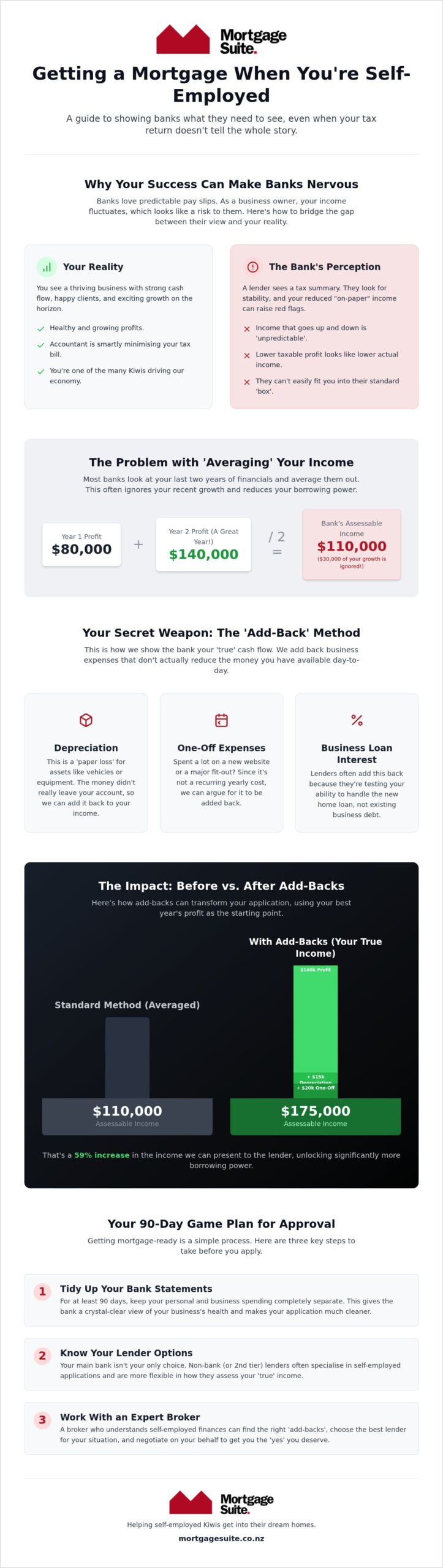
This is where your industry experience before you started contracting becomes your secret weapon. If you’ve spent a decade in your field and only recently moved to contracting, that experience proves you’re highly employable. Another major factor is your actual profit after expenses versus the total money coming in before costs. Many contractors work hard to keep their taxable income low by claiming business expenses. While this is smart for tax, it can accidentally lower how much you can afford to repay in the eyes of a bank, as they generally only look at the “bottom line” profit on your tax returns.

The Magic Number: Is Two Years Still the Standard?

Most mainstream banks still treat 24 months of financial records as their default requirement. They like the neatness of two full years of tax summaries. However, this isn’t a brick wall. If you work in high-demand sectors like IT, healthcare, or engineering, many lenders are willing to look at a shorter history. If you have one year of strong accounts and a signed contract that extends into the future, we can often build a compelling case. Having a larger deposit, typically 20% or more, also goes a long way in giving the lender peace of mind.

Documenting Your Income Correctly

Your paperwork needs to tell a clear, honest story. You’ll need your tax summaries and GST returns ready to go, as these are the primary documents a lender will use to check your earnings. They will also look closely at your current contract end date. If your contract is due to finish shortly, having a renewal letter or a history of rolling contracts with the same client is incredibly helpful. It’s often a good idea to chat with a specialist to review your accounts before you approach a bank, ensuring your business expenses aren’t unfairly masking your true ability to repay a loan.

Your Step-by-Step Guide to Getting Mortgage-Ready

Success in buying property as a contractor nz often comes down to what you do months before you ever visit an open home. Think of your mortgage application as a story you’re telling the bank; you want that story to be one of stability and discipline. Starting your preparation at least six months ahead of time gives you the space to polish your financial profile and address any small issues that might otherwise cause a delay. It’s much easier to fix a paperwork gap now than it is when you’ve already found your dream house.

One of the most powerful things you can do is maintain a healthy cash buffer in your business account. Lenders love seeing that you don’t live hand-to-mouth. If you have enough cash set aside to cover a few months of expenses, it proves that a short gap between contracts won’t put your mortgage at risk. At the same time, you should strictly avoid taking on any major new debt. That shiny new work ute on finance might look great, but the monthly repayments will directly reduce how much a bank is willing to lend you for a home.

Step 1: Get Your Financial House in Order

The first step is to draw a clear line between your personal life and your business. You should have separate bank accounts for everything. When a lender sees personal grocery shops mixed in with business software subscriptions, it makes your income harder to verify and your spending habits look messy. You also need to ensure your relationship with the IRD is spotless. Being up to date with your GST and income tax payments is non-negotiable for a smooth approval.

A smart trick is to write a brief, one-sentence summary of your work history. Instead of just showing a few months of contracting, highlight your total years in the industry. This simple document helps the lender see your long-term expertise and reliability rather than just your current tax status. It shifts the conversation from “how long have you been a contractor” to “how long have you been an expert in your field.”

Step 2: Maximise Your Deposit and KiwiSaver

Your deposit is the ultimate lever for getting a “yes.” While some lenders accept less, hitting that 20% mark often unlocks lower interest rates and simpler approval processes at mainstream banks. If you’re a first-time buyer, you should definitely check your eligibility for a KiwiSaver first home withdrawal NZ. It’s often the biggest boost to a contractor’s deposit, especially if you’ve been contributing consistently over several years.

For those with high cash flow but lower savings, we often look at alternative ways to show your equity. This might include using existing property as security or receiving a gift from family. When buying property as a contractor nz, the goal is to show the lender that you have skin in the game, regardless of where those funds originated. The more equity you bring to the table, the more flexible a lender becomes with your income structure.

Banks vs. 2nd Tier Lenders: Choosing the Right Path

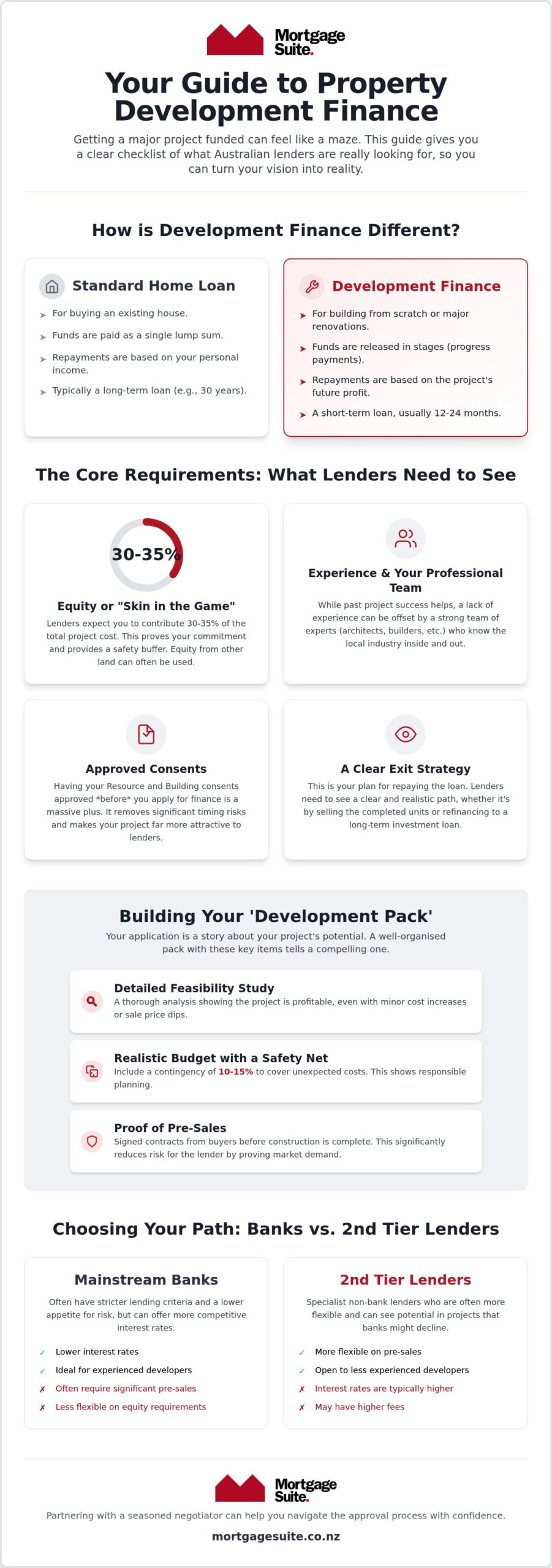
Choosing which lender to approach is a major decision when buying property as a contractor nz. Mainstream banks are like the big department stores of the financial world; they offer the lowest interest rates, but their rules are often set in stone. If your situation doesn’t fit their standard mould, you’ll likely get a quick rejection. This is where a 2nd tier lender New Zealand comes into play. These specialists are more like boutiques; they have the time to look at your actual bank statements and work out how much you can really afford to pay back, rather than just relying on an automated system.

Many people worry that choosing a non-bank lender means paying much higher interest. While the rates can be slightly higher, you need to weigh that against the cost of waiting. If you spend another two years trying to meet a big bank’s strict requirements, house prices could jump significantly during that time. In many cases, it makes more sense to get into your home now and plan on moving your loan to another bank later once you have a longer track record as a contractor. It’s a stepping stone strategy that gets you on the property ladder much sooner than the traditional route allows.

When to Stick with the Big Banks

If you have more than two years of solid, increasing income on your tax returns, a big bank is usually your best bet. You’re also in a strong position if you are applying with a partner who has a standard job. Having one person with a predictable paycheque acts as a safety net for the lender, making them much more comfortable with your contracting income. Lenders also tend to be more relaxed if you work in a high-demand industry where new contracts are easy to find and tend to last for long periods without gaps.

When 2nd Tier Lending Makes More Sense

If you’ve been working for yourself for less than a year, or if your latest tax return shows a lot of one-off business costs that make your actual profit look lower than it really is, a 2nd tier lender is often the only realistic path. These lenders are much more interested in your current cash flow and your future potential than your past tax history. At Mortgage Suite Ltd, we specialise in finding loans that don’t fit bank criteria NZ. If the big banks aren’t listening, reach out to our team to see how we can help you find a lender that actually understands how your business works.

How We Organise Your Contractor Home Loan Application

Getting a mortgage shouldn’t feel like a stressful audit or a high-stakes interrogation. When you’re buying property as a contractor nz, the biggest mistake is simply handing over a stack of bank statements and hoping the person on the other side understands them. We take a completely different approach. We don’t just submit papers; we translate your financial life into a story that makes sense to a lender. We focus on your expertise, your industry longevity, and your future earning potential, rather than just the latest figure on a tax bill.

Krish Krishna leads our team at Mortgage Suite Ltd with over two decades of banking and negotiation experience. He knows exactly how bank credit teams think because he has spent years on that side of the desk. This insider knowledge is vital because lending rules in New Zealand aren’t static. Some banks might be closed to contractors one month, while others are actively “hungry” to grow their business in that sector. We identify the lenders who are currently looking for clients exactly like you, so you don’t have to face unnecessary rejections.

The Mortgage Suite Ltd Advantage for Contractors

We provide a bridge to lenders that many people don’t even know exist. Our team has direct access to alternative capital and private lenders who operate with much more flexibility than the big four banks. This is a massive advantage if you’re looking into residential investment property loans NZ to build your long-term wealth. Whether you’re buying your first home or an investment, we’re personally committed to finding a “yes” even when other institutions have already said “no.”

Ready to Get Sorted?

Your first step shouldn’t be a cold appointment at a local bank branch where the manager might not grasp the nuances of contract structures. Instead, your journey should start with a relaxed conversation. In our initial consultation, we’ll look at your current contracts, your industry history, and your deposit goals. It’s a helpful dialogue designed to give you a clear roadmap without the corporate pressure. We want to remove the obstacles so you can focus on finding the right house.

When you’re ready to meet, try to have your latest tax summaries and current contract details ready. Don’t worry if your books aren’t “perfect” just yet; our job is to help you organise them so they look attractive to the right lender. If you’re serious about buying property as a contractor nz, it’s time to work with a team that actually understands your career path. Book a chat with the Mortgage Suite Ltd team today and let’s get your home loan sorted.

Take the Next Step Toward Your New Home

Buying property as a contractor nz doesn’t have to be a source of stress or a series of rejections. We’ve seen that the traditional two year rule is often more of a guideline than a brick wall, especially when you have a solid industry background and the right strategy in place. Whether you’re approaching a big bank with a hybrid application or using a 2nd tier lender as a strategic stepping stone, your career choice should be your greatest asset, not a hurdle.

You deserve a partner who understands the nuances of your income and knows how to present your story to the people who make the decisions. Krish Krishna brings over 20 years of banking and negotiation experience to your side, offering a personalised service that focuses on finding a solution when others only see problems. We specialise in 2nd tier and alternative lending, ensuring you can move into your new home without unnecessary delays. It’s time to stop letting rigid bank rules hold you back from your property goals.

Let us negotiate your contractor home loan for you and get your future sorted today. You’ve worked hard to build your career; now let’s make sure it works for your home ownership dreams.

Frequently Asked Questions

Can I buy a house if I have only been contracting for six months?

Yes, you can certainly buy a house with six months of contracting history, though you’ll likely need to look beyond the big mainstream banks. If you have a long history of working in the same industry before you started contracting, specialist lenders are often happy to consider your application. They focus on your overall career stability rather than just the length of your current contract.

Do contractors need a bigger deposit than permanent employees in NZ?

You don’t strictly need a bigger deposit, but having 20% saved makes the process much easier. While some lenders may accept a smaller deposit, hitting that 20% mark helps offset the bank’s concerns about fluctuating income. It often unlocks better interest rates and more flexible lending terms, making buying property as a contractor nz a much smoother experience.

What documents do I need to prove my income as a sole trader?

Lenders will primarily want to see your IR3 tax summaries, GST returns, and recent business bank statements. These documents provide a clear picture of your earnings and your ability to manage your tax obligations. It is also helpful to have your current contract handy to show your agreed rate and the expected length of your current project.

Will a bank look at my gross turnover or my net profit?

Banks almost always focus on your net profit, which is the amount you have left after all business expenses are paid. This is because your net profit represents the actual income available to meet your mortgage repayments. If you’ve worked hard to minimise your taxable income, it’s a good idea to chat with us about how that impacts your borrowing power.

Can I use my KiwiSaver if I am a self-employed contractor?

Yes, being a contractor doesn’t stop you from using your KiwiSaver for a first home deposit. As long as you’ve been a member for at least three years and meet the standard criteria, you can withdraw your funds. This remains one of the most effective ways to boost your deposit when buying property as a contractor nz.

What happens if my current contract is due to end soon?

A contract ending soon isn’t an automatic “no” if you can show a history of steady work. Lenders look for a track record of contract renewals or a high demand for your skills in the current market. Providing a letter of intent from your current client or showing a new signed contract can often solve this concern for the lender.

Are interest rates higher for contractor home loans?

Interest rates are generally the same as standard loans if you meet a mainstream bank’s criteria. If your application needs to go through a 2nd tier lender because of a shorter work history, the rate might be slightly higher. Many contractors use these lenders as a temporary solution for a year or two before moving back to a bank.

Is it better to apply for a home loan as a sole trader or a company director?

Neither structure is strictly better, as lenders are mostly interested in the total income you can prove. Whether you draw a salary as a director or take drawings as a sole trader, the lender will look at the underlying profit of the business. The most important factor is having clear, organised financial records that show your true earning potential.

Article by

Krish Krishna

Experienced Financial Adviser with over 46 years of Banking and Mortgage broking experience and over $2.0 Billion in loan settlements.

Buying Land and Building a House in NZ: Your Step-by-Step 2026 Guide

You’ve likely spent months scrolling through floor plans and dream kitchen designs, but the most important blueprint for your new home isn’t the one drawn by an architect; it’s the one drafted by your lender. Buying land and building a house nz can feel like a mountain of paperwork and hidden “gotchas,” especially when you start hearing about development contributions or complex loan drawdowns. It’s completely normal to feel a bit overwhelmed by the fear of costs spiralling out of control or the worry that a mainstream bank might turn you down just because your situation doesn’t fit their standard box.

We believe you deserve more than just a loan; you need the peace of mind that comes from having a seasoned expert in your corner. At Mortgage Suite Ltd, we specialise in helping you navigate the 2026 landscape, from managing the latest building levy changes to mastering the stage-by-stage payment process. This guide is designed to strip away the confusion and show you exactly how to secure your section and unlock the specialised construction finance required to finally get the keys to a place you call home.

Key Takeaways

  • Get your finance pre-approved before you start looking at sections so you can bid with the confidence of knowing your true spending limit.
  • Understand the unique stages of buying land and building a house nz, including how “progressive drawdowns” keep your build moving from the slab to the final sign-off.
  • Identify potential hidden expenses like council development contributions early on to ensure your budget remains realistic and stress-free.
  • Explore how second-tier lenders can provide a vital lifeline for your project if the mainstream banks aren’t willing to help.
  • Learn how an expert broker acts as your personal negotiator to streamline the complex communication between you, your builder, and the bank.

Is Buying Land and Building a House in NZ Right for You?

Deciding between an existing property and a fresh start is the first major hurdle you’ll face. While an older home offers the convenience of moving in next month, buying land and building a house nz provides a blank canvas to create a space that actually works for your family. It’s a choice between the “what you see is what you get” reality of the current market and the long-term satisfaction of a home designed specifically for your lifestyle. In 2026, this decision carries even more weight as building standards continue to evolve, making new homes significantly more efficient than those built even a decade ago.

Buying a section means engaging with New Zealand’s land registration system, a process that ensures your ownership is legally secure and clearly documented. However, the physical reality of that dirt is what really matters for your wallet. The slope of the land, the soil type, and how easily you can connect to water and power will dictate your entire build budget. We often see people fall in love with a view, only to realise later that the cost of the foundations will eat up half their kitchen budget. It’s about balancing your vision with the practicalities of the site.

The Pros of Starting from Scratch

The most obvious benefit is customisation. You aren’t trying to fit your life into someone else’s old floor plan; you’re building for the way you live now. Beyond the layout, a new build in 2026 means your home will be warmer, drier, and healthier. Modern building codes require high-performance insulation and double glazing that older Kiwi homes simply can’t match. You’ll also enjoy much lower maintenance costs in those first ten years. Most builders provide a Master Build guarantee, giving you a steady hand to rely on if any structural issues arise, which offers a level of peace of mind you won’t get with a 1970s bungalow.

The Challenges to Keep in Mind

Building isn’t without its hurdles, and timeline uncertainty is the biggest one. Weather delays, council consent hold-ups, and material supply shifts can push your move-in date out by months. Financially, it’s also more complex than a standard mortgage. You’ll likely be managing interest on your land loan while also preparing for progressive payments as the house goes up. This is why we always insist on a healthy contingency fund. We recommend setting aside at least 10% to 15% of your total build cost to cover those unexpected “site works” or price adjustments that often pop up once the diggers start moving dirt. Being prepared for these shifts makes the process a lot less stressful.

The 5 Essential Steps to Buying Land and Starting Your Build

While many people start their journey by driving through new subdivisions on a Sunday afternoon, the real work begins much earlier. To succeed when buying land and building a house nz, you need a logical plan that protects your bank account and your sanity. Following a structured path ensures you don’t fall in love with a section you can’t afford or a design that a lender simply won’t back. It starts with your budget and ends with the first shovel in the ground.

  • Step 1: Get your finance sorted. Before looking at dirt, you must know your borrowing limit. Banks typically require a 20% deposit for urban land, but this can jump to 50% for rural blocks. Knowing these numbers early prevents heartbreak later.
  • Step 2: Find the right section. Look beyond the view. Consider the sun’s path, the slope of the land, and how much “site work” will be needed before the slab can even be poured.
  • Step 3: Perform due diligence. This is the investigation phase. You’ll need to check the title, the council files, and the physical state of the ground.
  • Step 4: Select your partners. You need to find a qualified builder who understands your vision and, more importantly, your budget. A solid reputation is worth more than the lowest quote.
  • Step 5: Finalise the loan. Once you have a fixed-price contract, your broker can secure the construction finance, allowing for the first drawdown to pay for the initial stages of work.

If the numbers feel a bit daunting, remember that you don’t have to crunch them alone. A quick chat to the team at Mortgage Suite Ltd to organise your pre-approval can clarify exactly where you stand before you sign any contracts.

Due Diligence: What to Check Before You Sign

In New Zealand, a Geotech report is a non-negotiable. Our varied landscape means one section might be solid rock while the neighbour’s is soft clay; this report tells your builder exactly how deep the foundations need to go. You should also examine the Land Title for easements, which are legal rights for others to use part of your land, or covenants that might restrict what colour you can paint your roof. Finally, check that services like water, power, and high-speed fibre are already at the boundary, as bringing these in from the street can cost a small fortune.

Choosing Your Build Method

You generally have two paths: a house and land package or a standalone build. Packages are often simpler because the developer has already handled the consents and basic design. However, if you’re building on your own bare land, you’ll likely need a fixed-price contract. Lenders in 2026 are very cautious about cost-plus arrangements where the price can float. They want to see exactly what the final bill will be before they agree to the loan, which protects you from nasty surprises halfway through the project.

Buying a finished home is a lot like buying a car; you pay the price and drive it away. However, buying land and building a house nz is more like a subscription service where you pay as you go. A construction loan is fundamentally different from a standard mortgage because the bank doesn’t give you all the money at once. Instead, they release funds in chunks, known as “drawdowns,” only after specific milestones are reached on-site. This keeps the project on track and ensures the bank isn’t lending more than what the property is currently worth at any given moment.

The “progressive drawdown” process usually follows the natural rhythm of your build. You’ll start with an initial payment for the land, followed by stages like the floor slab, the wall framing, the roof, and the final interior fit-out. Before the bank pays out each stage, they’ll want to see an invoice from your builder. Sometimes, they’ll even send a valuer to the site to check that the house actually has a roof before they pay for one. This methodical approach might feel like extra paperwork, but it’s a safety net that ensures your builder is being paid for work actually completed. For more details on homeowner rights during this phase, the official government guide to building is a great resource to have on hand.

One of the best features of these loans is that they are typically interest-only during the construction phase. This is a lifesaver for your weekly budget. Since you’re likely still paying rent or a mortgage elsewhere while you wait for the keys, you only pay interest on the amount you’ve actually drawn down. If you’ve only used $100,000 for the land and the slab, you only pay interest on that $100,000, not the full $800,000 loan. This keeps your costs manageable until the day you finally move in and convert to a standard principal and interest mortgage.

Mainstream Banks vs 2nd Tier Lenders

If your local bank branch says “no” because your deposit is a bit light or your income is slightly unconventional, don’t pack up your tools just yet. Second-tier lenders often provide the flexibility that big banks lack. They are often more willing to look at the overall value of your project rather than just ticking boxes. These non-bank lenders can be the perfect bridge to get your project off the ground, especially for land purchases that don’t fit the standard criteria. You can find out more about these alternative options in our 2nd tier lender New Zealand guide.

Using Equity and KiwiSaver

You don’t always need a pile of cash sitting in a savings account to start. If you already own a property, you might be able to use the equity in that home to cover your new deposit. For those starting from scratch, KiwiSaver remains a powerful tool. In 2026, you can still withdraw your savings for a first home build, provided you’ve been a member for at least three years. We cover all the latest rules and tips in our home loans for first home buyers New Zealand guide to ensure you’re making the most of every dollar available to you.

Budgeting for Your Build: Hidden Costs and How to Avoid Them

When you’re buying land and building a house nz, the number at the bottom of your build contract is rarely the number you’ll see on your final bank statement. It’s easy to get swept up in the excitement of choosing tiles and tapware, but the real budget killers are the costs that never even make it onto the builder’s quote. Understanding these “invisible” expenses early is the difference between a smooth project and a stressful financial scramble halfway through the frame stage.

One of the most significant surprises for new builders is the development contribution. Councils charge these fees to fund the extra pressure your new home puts on local infrastructure like water pipes, sewerage, and roading. Depending on your region, this can add thousands to your total. You also need to account for professional fees before a single nail is driven. Architects, surveyors, and structural engineers all play a vital role in getting your plans approved, and their expertise is essential for navigating the complex soil conditions often found across New Zealand.

Don’t forget the “finishing” costs that many standard contracts leave out. It’s common for a build price to exclude the driveway, fencing, basic landscaping, and even your letterbox or clothesline. If you don’t budget for these from day one, you might find yourself living in a beautiful new home surrounded by a sea of mud. To get a realistic view of your borrowing capacity and account for these hidden fees, book a strategy session with our team today.

The Council and Consent Maze

You’ll need to navigate two main types of permission: resource consent and building consent. Resource consent deals with how your home affects the land and neighbours, while building consent ensures the structure itself is safe and up to code. In 2026, it’s vital to plan for council fee increases and the new combined building levies which aim to streamline the process. Your goal is the Code Compliance Certificate (CCC); this is the most important document you’ll ever own, as it proves the house is finished correctly and allows the bank to finalise your loan.

Managing Your Contingency Fund

Lenders almost always insist on a 10% to 15% contingency buffer before they approve a construction loan. This isn’t just “extra money” for the bank; it’s a safety net for “variations” that occur once work begins. Perhaps the diggers found unexpected rock underground, or you decided to upgrade the kitchen cabinetry at the last minute. A fixed-price contract is your best friend because it provides a legal shield against fluctuating material costs and ensures the bank has a clear figure to lend against. Having that buffer ready means these small changes won’t bring your entire build to a grinding halt.

Making It Happen: How an Expert Broker Simplifies the Build Process

Navigating the financial side of buying land and building a house nz is often the most stressful part of the entire project. While your builder focuses on the physical structure, you need someone who understands the inner workings of the banking world to ensure the money keeps flowing. This is where a specialist broker becomes your most valuable asset. We don’t just find you a loan; the team at Mortgage Suite Ltd acts as your dedicated negotiator, ensuring the bank’s requirements align with your builder’s timeline and your personal budget.

We bridge the gap between your vision and the bank’s rigid boxes. We manage the constant back and forth communication between you, your lender, and your construction team. This means when a drawdown is due or a variation occurs, you aren’t stuck in the middle trying to translate banking speak into builder speak. We organise the paperwork and the approvals so you can stay focused on the exciting parts of your new home without the administrative headache.

The Mortgage Suite Ltd Advantage

Our approach is built on Krish Krishna’s 20 plus years of deep banking experience. Having seen the process from inside the big banks, Krish knows exactly how to present your application to get a “yes” faster. We also offer a significant advantage by looking beyond the high street lenders. If your project doesn’t fit standard criteria, we can tap into our network of 2nd tier loans that offer more flexibility for unique builds or smaller deposits. We take pride in making these complex financial structures feel simple, conversational, and easy to follow.

Ready to Start Your Build Journey?

The first step is always the most important. We offer a personalised assessment to help you understand your true borrowing power before you sign any contracts. We’ll help you organise your documents and create a clear finance plan that covers everything from the initial land purchase to the final council sign-off. If you’re looking at larger scale builds or multi unit sites, you might also find our property development loans NZ guide particularly useful for understanding how to fund your next big project. Let’s get your build moving with confidence and a professional in your corner.

Ready to Turn Your Vision Into a Reality?

Building your own home is a massive undertaking, but it’s also one of the most rewarding ways to secure your future in New Zealand. We’ve explored how the right section dictates your budget and how to manage the unique “pay as you go” nature of construction loans. By staying ahead of hidden council fees and keeping a solid contingency buffer, you can avoid the common pitfalls that often trip up first-time builders.

Success when buying land and building a house nz comes down to having a steady hand to guide you through the banking maze. We bring over 20 years of industry experience to the table, specialising in 2nd tier lending for those who don’t fit the standard bank boxes. Our team is dedicated to providing personalised, jargon-free advice that makes your finance feel like the easiest part of the build.

You have the dream; now it’s time to build the foundation. Chat with Krish and the team at Mortgage Suite today to plan your build finance and take that first confident step toward your new front door. Your dream home is closer than you think.

Frequently Asked Questions

Can I use my KiwiSaver to buy land if I am not building immediately?

No, you generally cannot use your KiwiSaver funds just to hold onto a piece of land. To make a withdrawal, you must intend to build your first home on that section as your primary residence. Lenders and the government usually require a clear plan or a build contract to prove that construction will start within a reasonable timeframe after the land purchase is finalised.

How much deposit do I need to buy land and build in NZ in 2026?

Most New Zealand banks require a minimum 20% deposit for vacant residential land within urban boundaries. If you are looking at lifestyle blocks or rural land, this requirement often increases to between 30% and 50%. However, when buying land and building a house nz as part of a total package, some specific schemes may allow eligible buyers to start with as little as a 5% deposit.

What is a Master Build guarantee and why do lenders want to see it?

A Master Build guarantee is a 10-year protection plan that covers structural defects, workmanship issues, and builder insolvency. Lenders insist on seeing this because it significantly reduces their financial risk. It provides a safety net that ensures the project will be completed even if the builder runs into trouble, protecting both your investment and the bank’s security.

How do progress payments (drawdowns) work during a build?

Progress payments are released in stages as your builder hits specific milestones on the construction site. Instead of getting the full loan at the start, the bank pays out for completed work such as the floor slab, framing, and the roof. This methodical process ensures that the builder is paid fairly for work already done while keeping the project on a strict financial schedule.

Can I get a loan for a tiny house or a transportable home on bare land?

Yes, it is possible, but it is often more complex than a standard residential loan. Most mainstream banks require the home to be fixed to permanent foundations and connected to all essential services before they will consider it a mortgageable property. If the big banks aren’t comfortable with your project, we can often find more flexible options through our network of second-tier lenders.

What happens if my build goes over budget during construction?

If your build costs exceed the original estimate, you will typically use your 10% to 15% contingency fund first. If the costs climb even higher, you may need to apply for a loan top-up or contribute more of your own savings. This is why we always advocate for a fixed-price contract, as it provides a legal shield against unexpected price hikes for materials or labour.

Is interest-only the best way to pay for a construction loan?

Interest-only repayments are a popular choice during the build phase because they keep your weekly costs low while you might still be paying rent or another mortgage. You only pay interest on the amount of the loan you have actually used. Once the house is finished and you have your final council sign-off, the loan usually converts to a standard principal and interest mortgage.

How long does it take to get a construction loan approved in NZ?

You should generally allow between 5 and 10 working days for a construction loan approval, provided your paperwork is complete. The process can take a bit longer if the bank needs to review detailed build contracts, Geotech reports, or specific council consents. Having a broker organise your application upfront ensures the bank has everything they need to give you a faster answer.

Article by

Krish Krishna

Experienced Financial Adviser with over 46 years of Banking and Mortgage broking experience and over $2.0 Billion in loan settlements.

Buying an Apartment Deposit NZ: How Much Do You Really Need in 2026?

What if the “standard” 20% deposit isn’t actually the only way to secure your first home in the city? When you are looking at buying an apartment deposit nz rules can often feel like they are written in a different language, especially when banks start talking about floor sizes and leasehold titles. It is a common frustration to feel like the goalposts keep moving just as you get close to your savings target. You might even worry that because apartments are viewed differently than houses, you are stuck in the rental cycle forever.

We understand that the path to ownership should be clear, not confusing. That is why we have put together this guide to show you exactly how much you need to save in 2026 and the clever strategies we use to help clients get their foot in the door, even with a smaller stash. We will break down the specific deposit percentages required for different property types, explain the “size trap” that catches many buyers out, and outline a clear plan to get you mortgage-ready. You will discover which government grants actually apply to apartments and how to avoid the common pitfalls that trip up even the most diligent savers.

Key Takeaways

  • Learn why the floor area of your apartment is just as important as your savings and how the 40 to 50 square metre mark affects your bank’s decision.
  • Discover the specific government grants and schemes that can help you secure your home with as little as a 5% or 10% deposit.
  • Understand the unique criteria for buying an apartment deposit nz and why banks view these properties differently than a standard house.
  • Find out how to work with non-bank lenders if you have fallen in love with a “quirky” or smaller property that doesn’t fit the usual rules.
  • Get a clear, step-by-step plan for 2026 to ensure your Body Corporate and building checks are sorted before you sign any contracts.

Buying an Apartment? Why Your NZ Deposit Might Be Different to a House

You might have heard that you need a massive pile of cash to buy property, but when you’re looking at buying an apartment deposit nz requirements aren’t always a one-size-fits-all deal. Many people think the 20% rule is a strict law. It isn’t. It is more of a benchmark that banks use to decide how much they’re willing to lend. In the current 2026 market, with a significant increase in apartment supply and stabilising rents, banks are looking at these properties with a fresh pair of eyes. However, they still treat them differently than a standard house on a quarter-acre block.

The main reason for this difference is risk. A bank sees a standalone house as a safe bet because the land usually holds its value over time. With an apartment, you’re buying into a shared building. This means the bank has to consider things like the health of the building’s structure and how well the complex is managed. It is a trade-off. You might get a much lower purchase price than a house, but you might need a higher percentage of that price upfront to satisfy the lender’s nerves.

The Standard Bank Perspective

Banks love it when you have a decent amount of your own money in the deal. They look at the size of the loan compared to what the property is worth to measure their risk. If you buy a $500,000 apartment with a $100,000 deposit, your loan is 80% of the value. This is the “sweet spot” where you get the best interest rates. If you have less than 20%, you aren’t necessarily out of the race. You might just have to pay a small extra fee to cover the bank’s risk. In New Zealand’s housing market, the Reserve Bank currently allows a certain percentage of bank lending to go to people with smaller deposits, so there is definitely room to move if your income is steady.

Apartment vs House: The Deposit Divergence

Why does a bank care if you’re buying a studio in the city or a house in the suburbs? It often comes down to how easy it is to sell the place later. If things go wrong and you can’t pay the mortgage, the bank wants to know they can sell the property quickly to get their money back. High-density living can be more volatile in terms of price. They also look closely at your “borrowing power” after you’ve paid your building management fees. These annual costs cover insurance and maintenance, but they also eat into your weekly budget. A bank will factor these costs into your application, which is why buying an apartment deposit nz can sometimes feel like a more complex puzzle than buying a traditional house.

Ultimately, 2026 is a unique time to buy. With more choice on the market, you have more leverage as a buyer, provided you understand these banking quirks before you start your search.

The Size Trap: How Square Metres Change Your Deposit Requirements

Size matters in the apartment world. You might find a sleek studio in the city centre that fits your budget perfectly, but your bank might see things differently. Most lenders have a specific set of criteria they use to judge whether a property is “liveable” or “bankable”. The Small Apartment Rule used by most NZ banks dictates that any unit with an internal floor area below a specific threshold, usually 40 to 50 square metres, is classified as a high-risk security and requires a much larger deposit.

When you are looking at buying an apartment deposit nz lenders will look at the “internal area” of the property. This is a crucial distinction. Your internal area includes the space inside your front door, but it strictly excludes your balcony, any storage lockers, and your car park. If your apartment is 42 square metres inside but has a massive 15 square metre deck, the bank still treats it as a 42 square metre property. If that number falls below their magic threshold, your required deposit could suddenly jump from 20% to as much as 50%.

The Studio Struggle

Banks are often nervous about tiny homes and “shoebox” apartments because they view them as a niche market. They worry that if the market takes a dip, these smaller units will be the hardest to sell. For properties under 40 square metres, expect the bank to ask for a deposit of at least 35%. In some cases, they might even demand 50% upfront. There are exceptions, of course. If a small apartment is in a premium building with high demand or if it’s a new build with a high-spec finish, some lenders might be more flexible. If you are struggling to get a traditional bank to look at a smaller unit, it helps to talk to a specialist about 2nd tier loans that are designed for these non-standard properties.

Freehold vs Leasehold: The Title Trouble

What you actually own can be just as important as the size of the rooms. Most New Zealand apartments are “Unit Titles”, which are a form of freehold ownership. You own your unit and a share of the common areas. However, leasehold apartments are a different story. In a leasehold arrangement, you own the building but not the land it sits on. You have to pay “ground rent” to the landowner, which can increase significantly every few years. Because of this ongoing cost and the risk of the land lease expiring, lenders often require a much larger deposit, sometimes 30% to 50%, to protect themselves from the potential drop in the property’s value.

Low-Deposit Options: Getting Your Foot in the Door with 5% or 10%

Saving a full 20% can feel like an impossible mountain to climb, especially when property prices are on the move. The good news is that you don’t always have to reach that peak before you start looking at properties. For many people buying an apartment deposit nz, the solution lies in a mix of personal savings, government help, and clever lending structures. While big banks might lead with their strictest rules, there are several pathways that let you start your ownership journey with much less cash upfront.

One of the most common ways to bridge the gap is by looking at new builds. Buying “off the plans” often comes with a significant advantage because these properties are frequently exempt from standard lending restrictions. This means many banks are happy to accept a 10% deposit for a brand-new apartment. If you’re still coming up short, a “Family Springboard” might be an option. This isn’t about your parents giving you a suitcase of cash; instead, they use the equity in their own home to guarantee a portion of your loan. It is a powerful way to get into the market years earlier than you otherwise could.

KiwiSaver Mechanics for Apartments

Your KiwiSaver is often the biggest piece of the puzzle. You can generally withdraw almost all your funds, including your employer contributions and investment returns, provided you’ve been a member for at least three years. In 2026, the First Home Grant remains a vital boost for those buying within specific price caps. Timing is everything here. You need to get your withdrawal paperwork started well before you attend an auction or sign a sale and purchase agreement. The funds need to be ready for the settlement date, and leaving it to the last minute can cause unnecessary stress during the final stages of the purchase.

The 5% Deposit Path

The First Home Loan scheme, backed by Kāinga Ora, is a genuine game-changer if you only have a 5% deposit. To qualify in 2026, your before-tax income over the last 12 months must be $95,000 or less for a single buyer, or $150,000 for a couple or single buyer with dependents. However, remember the “size trap” we mentioned earlier. For a First Home Loan, the apartment must usually be at least 45 square metres. Not every bank plays ball with this scheme, so it is crucial to work with a specialist who knows which lenders are currently participating and how to package your application for success. You can find more detail in our guide to Home Loans for First Home Buyers in New Zealand.

Buying an Apartment Deposit NZ: How Much Do You Really Need in 2026?

When the Bank Says No: Alternative Funding for Non-Standard Apartments

It is a gut-wrenching feeling when you find the perfect city pad, only for your bank to decline the loan because the place is a few square metres too small or the building is “too old”. This is where many buyers give up, thinking their dream of owning is over. But the truth is that mainstream banks have very narrow boxes they need you to fit into. If your property is considered one of those properties that don’t fit the standard rules, you simply need a different kind of lender who sees the value that the big banks miss.

Alternative lenders are the hidden engine of the New Zealand property market. They don’t have the same rigid rules as the big four banks. When you are looking at buying an apartment deposit nz, these lenders are often more interested in your ability to pay the mortgage than the exact dimensions of your balcony. Yes, there is a trade-off. You might pay a slightly higher interest rate initially, but many buyers use these loans as a stepping stone. Once you have built up some equity or the market shifts, you can often move your mortgage back to a mainstream bank at a lower rate.

The Alternative Lender Advantage

Alternative lenders often look at the person behind the application rather than just a checklist of property stats. If you have a solid career and a clear plan, they are far more likely to approve a loan for a studio or a quirky heritage conversion that a traditional bank would reject. These lenders provide a vital path for those who don’t fit the standard mould. You can learn more about how these flexible options work in our 2nd Tier Lender New Zealand guide.

Self-Employed or “Difficult” Income

Being self-employed while trying to buy an apartment can feel like a double-whammy. Big banks often demand years of perfect, predictable tax returns, which doesn’t always reflect the reality of running a successful business. When you combine that with a property that doesn’t fit the standard rules, the computer says “no” almost instantly. This is where having an advocate makes all the difference. Krish Krishna uses 20 years of banking experience to negotiate directly with lenders, proving your financial strength through other means. We know how to present your case so that lenders see your actual success, not just a spreadsheet.

If you’ve been told your dream apartment is “unbankable” by the big banks, don’t walk away just yet. Contact Mortgage Suite Ltd today to see which alternative funding options can help you secure your property in 2026.

Your Game Plan: Organising Your Deposit and Getting Sorted for 2026

Ready to stop scrolling through listings and actually start signing? You have already seen how property size and different types of lenders play a massive role in your journey. Now, it is time to put that knowledge into a practical plan for 2026. When you are buying an apartment deposit nz savings are only the first hurdle. You need a solid game plan to ensure you are “offer-ready” and protected from any hidden surprises that could trip up your application at the last minute.

At Mortgage Suite Ltd, we believe the final stretch should be the most exciting part of the process, not the most stressful. We take the lead on the mountains of paperwork, from coordinating with your solicitor to making sure your KiwiSaver funds are ready for settlement day. Our goal is to make the entire process feel like a helpful dialogue rather than a complex lecture, ensuring you understand every step before you commit your hard-earned savings.

The Pre-Approval Power Move

Before you fall in love with a city view, you need a pre-approval that actually fits your specific goal. It is a common trap to assume a standard house pre-approval works for an apartment. In reality, banks often approve you as a borrower but keep the property itself “subject to bank approval”. They will want to vet the specific building, its insurance status, and its maintenance history before they give the final nod. This is also the best time to look at our Mortgage Rates NZ guide to see how current interest levels will impact your weekly budget. Knowing these numbers early prevents you from overextending yourself.

Hidden Costs to Budget For

Your deposit isn’t the only cash you will need to have ready in your accounts. There are several “entry costs” that can catch you off guard if you haven’t planned for them. To ensure you don’t buy a “lemon”, you need to budget for the following essentials:

  • Valuation fees: Because apartments carry unique risks, banks almost always require a professional valuer to check the property before they release the funds.
  • Solicitor fees: Your lawyer will need to spend extra time checking the building management rules and disclosure statements to ensure the complex is financially healthy.
  • Council property report: This essential check (often known as a LIM) tells you everything the local council knows about the building’s history and any past issues.
  • Moving costs and levies: You will need cash for the move itself and often the first instalment of your building management fees upon settlement.

By organising these details early and working with a veteran broker, you ensure that you are making a secure investment in your future city lifestyle.

Take the First Step Toward Your City Lifestyle

Securing your own slice of the city is an achievable goal, even in a shifting market. Throughout this guide, we have explored how the 2026 landscape offers unique opportunities for those who understand the specific rules around property size, titles, and lending criteria. The process of buying an apartment deposit nz doesn’t have to be a source of stress when you have a clear plan and the right expertise to guide you through the “size traps” and banking hurdles we have discussed.

Krish Krishna offers over 20 years of banking experience, providing the seasoned professionalism needed to navigate both mainstream and alternative lending paths. As specialists in 2nd tier loans and non-standard properties, we offer a personalised service that focuses on your individual success rather than just a rigid set of criteria. Ready to get sorted? Chat with Krish at Mortgage Suite Ltd today for a no-obligation chat about your apartment goals. We are here to act as your advocate and steady hand, helping you move into your new home with total confidence.

Frequently Asked Questions

Can I buy an apartment with a 5% deposit in NZ?

Yes, you can buy an apartment with a 5% deposit through the Kāinga Ora First Home Loan scheme. To qualify in 2026, you must meet specific income caps and the apartment must usually be at least 45 square metres in size. Not every lender participates in this program, so it is important to check which banks are currently accepting these low-deposit applications for high-density properties.

What is the minimum size for an apartment to get a bank loan?

Most New Zealand banks prefer a minimum internal floor area of 40 to 50 square metres to approve a standard mortgage. If the unit is smaller than this, it is often classified as a “shoebox” or a small studio. While you can still get finance for smaller spaces, you will likely need a much larger deposit, often between 35% and 50% of the purchase price.

Can I use my KiwiSaver for an apartment deposit?

You can certainly use your KiwiSaver savings to help with buying an apartment deposit nz. As long as you have been a member for at least three years, you can typically withdraw your own contributions, your employer’s contributions, and any investment returns. You just need to leave a minimum of $1,000 in your account to keep the fund open for the future.

Why do banks ask for a bigger deposit on some apartments?

Banks ask for a larger deposit when they believe a property carries a higher risk for resale. This is common with very small studios, leasehold titles, or buildings that have a history of maintenance issues. By requiring 30% or 40% upfront, the lender protects themselves against potential price drops or a limited pool of buyers if they ever need to sell the property.

What are Body Corporate levies and do they affect my loan?

Body Corporate levies are annual fees that cover the building’s insurance, shared utilities, and long-term maintenance funds. These costs do affect your loan because banks subtract the levy amount from your disposable income when calculating your “borrowing power”. If the annual levies are particularly high, it could slightly reduce the total amount the bank is willing to lend you for your mortgage.

Is it harder to get a mortgage for a leasehold apartment?

It is generally more difficult to secure a mortgage for a leasehold apartment because you do not own the land beneath the building. Lenders are often wary of ground rent increases and the uncertainty of what happens when the land lease expires. Because of these factors, most mainstream banks will demand a significantly higher deposit and may impose stricter repayment terms on the loan.

Do I need a lawyer before I pay my deposit?

You should always have a lawyer review the sale and purchase agreement and the Body Corporate documents before you pay a deposit. Apartment contracts include specific disclosure statements that outline the building’s financial health and any planned repairs. A lawyer ensures you aren’t signing up for a property with hidden legal issues or a massive bill for upcoming building maintenance.

How long does it take to get an apartment loan approved?

You should allow between five and ten working days for an apartment loan to be fully approved. While your personal financial check happens quickly, the bank also needs time to review the building’s specific details and a professional valuation report. Because the bank is lending on a shared building rather than just land, the process involves a few extra steps compared to a standard house.

Article by

Krish Krishna

Experienced Financial Adviser with over 46 years of Banking and Mortgage broking experience and over $2.0 Billion in loan settlements.

Finance for Lifestyle Blocks and Lifestyle Purchases in NZ: Your 2026 Guide

You have finally found that perfect five-hectare slice of paradise in the Waikato, but your bank just sent a “no” because the land is apparently too big for a standard mortgage. It is a common hurdle in 2026, especially when nearly 2,000 lifestyle blocks are changing hands every three months across New Zealand. We know that securing Finance for Lifestyle Purchases / Refinancing can feel like a maze when mainstream lenders treat your dream home like a complex commercial farm just because you want a bit of extra space for the kids or a few sheep.

You shouldn’t have to settle for high interest rates on personal loans or feel stuck by strict debt-to-income caps. We are here to show you how to use your home equity to lower your borrowing costs and find a lender that actually understands the value of a rural-residential property. This guide covers everything from the July 2026 OCR changes to the specific ways we can package your application to get a “yes” from the right people. You’ll discover exactly what you need for a deposit and how to bridge the gap between the bank’s rigid rules and the life you want to lead.

Key Takeaways

  • Understand why land size changes your deposit requirements and how to tell if your property counts as a lifestyle block or a farm in the eyes of a lender.
  • See how Finance for Lifestyle Purchases / Refinancing allows you to use your home equity to buy things like boats or horse floats at home loan interest rates.
  • Learn the essential standards for access and living conditions your property must meet to ensure your loan gets approved without any fuss.
  • Discover how working with a specialist to package your application can open doors to lenders that are happy to look at deals the big banks find too hard.

What exactly is a lifestyle block and why is the finance different?

Many Kiwis dream of trading the city grind for a few acres where the kids can roam and there’s space for a massive vegetable garden. However, from a lender’s perspective, that dream can look quite different. A lifestyle block is essentially a residential property that has enough land for a hobby, not a primary income. While you might see it as just a bigger backyard, a bank sees a complex asset that doesn’t fit the standard suburban house box. Understanding what is a lifestyle block is the first step toward getting your loan approved, as the term describes a property where the value comes from the home rather than any commercial farming activity.

Finance for Lifestyle Purchases / Refinancing is trickier because of the “main source of value” rule. Most mainstream banks want to see that the house is the primary asset they are lending against. If the value of the dirt or the outbuildings starts to outweigh the value of the dwelling, the bank begins to worry. They prefer lending on assets that are easy to sell if things go wrong. A three-bedroom home in a quiet suburb has thousands of potential buyers; a specialised lifestyle block with specific farming infrastructure has a much smaller pool. This perceived risk is why the rules change the moment you move past the city limits.

The land size ‘tipping point’

Banks usually have a specific cut-off point where a standard home loan suddenly becomes a rural loan. For many lenders, this “tipping point” is 10 hectares. If your slice of paradise exceeds this limit, don’t be surprised if the bank asks for a much larger deposit, often between 20% and 30%. They want to ensure you have enough skin in the game to cover the extra risk associated with larger parcels of land that might be harder to offload quickly. This is where we step in to help package your application so the lender sees the home, not just the hectares.

Zoning and ‘Highest and Best Use’

Council zoning can change your loan requirements overnight. If a property is zoned Rural Residential, lenders are generally more relaxed because they know the land is intended for living. However, if it’s General Rural, they might view it as a commercial farm. Ironically, having highly productive land can sometimes make a loan harder to get. If the property is capable of generating a significant income, the bank may insist on a commercial or rural loan structure. These often come with higher interest rates and stricter terms than a standard residential mortgage, which is why getting the zoning right in your application is vital.

Understanding the LVR and deposit rules for rural living

Getting the keys to your rural retreat usually starts with a conversation about the deposit. For most standard lifestyle blocks under 10 hectares, mainstream banks generally look for a 20% deposit. However, the moment that land size creeps higher, the rules tighten. If you’re eyeing up a property over 10 hectares, don’t be surprised if your lender asks for 30% or even 40% upfront. They do this because larger blocks are considered higher risk and can be harder to sell quickly if things go pear-shaped.

Lenders also look closely at the ‘curtilage’ of the property. This is just a simple way of describing the house and the immediate garden area. They’ll often put a higher value on this section while being quite conservative about the back paddocks or extra land. If you’re struggling to find the cash for a deposit, one of the smartest moves is using the equity in your current suburban home. By tapping into the value you’ve already built up, you can often secure Finance for Lifestyle Purchases / Refinancing without needing to clear out your savings account. This strategy is particularly effective for those looking to upgrade their lifestyle while keeping their existing property as an investment.

Why the ‘Big 4’ banks might say no

Mainstream banks love predictability. In a suburb, they can find ten similar houses sold in the last month to prove what a property is worth. In rural areas, ‘comparable sales’ are often thin on the ground. A bank might worry that a unique property will sit on the market for months if they ever need to sell it. This lack of data often leads to a very conservative registered valuation, which can leave you with a funding gap that you didn’t expect.

Alternative options when the bank isn’t playing ball

If your local branch says no because the land is too big or the house is too old, you aren’t out of luck. This is where a 2nd tier lender New Zealand wide can make all the difference. These lenders often focus on the person and the overall quality of the property rather than just ticking boxes on a rigid checklist. It’s an excellent way to secure Finance for Lifestyle Purchases / Refinancing when the big banks aren’t interested in the nuances of rural living. While the interest rate might be slightly higher, it’s often a small price to pay to get onto your dream patch of dirt. If you’re feeling stuck, you should have a chat with a specialist who can help you find a lender that actually sees the potential in your rural move.

Refinancing your home to fund lifestyle purchases

Living the dream in New Zealand often means more than just having a nice house. It’s about the boat for the weekend, the caravan for summer trips, or the horse float for the kids’ events. When you’re looking at Finance for Lifestyle Purchases / Refinancing, the most powerful tool you have is likely sitting right under your feet: your home equity. Equity is simply the difference between what your house is worth and what you still owe the bank. If your property value has grown, you can often “pull” that value out to fund the things that make life enjoyable.

The biggest advantage of this approach is the cost of borrowing. In mid-2026, major bank floating rates are sitting around 6.04% to 6.15%, while some special fixed rates are even lower. Compare that to a standard personal loan or vehicle finance, which can easily sting you with interest rates between 12% and 15%. By refinancing your mortgage to include these lifestyle “toys,” you could effectively halve your interest costs. However, you need to be smart about the term. While it’s tempting to put a boat on a 30-year mortgage, you don’t want to be paying for a vessel that hit the scrap heap two decades ago. We always suggest carving that portion of the loan into a separate, shorter repayment structure.

Using equity for renovations and ‘lifestyle’ upgrades

Sometimes the best lifestyle purchase is an upgrade to your current patch of dirt. Adding a swimming pool or a large multi-bay shed can significantly improve your quality of life and often adds tangible value to the property. When you structure a “top-up” for these projects, we look at the projected end value of the home to ensure the bank stays happy. If you’re planning these upgrades for a property you intend to rent out later, it’s worth checking out our guide on residential investment property loans NZ wide to see how the tax and equity rules might differ.

Consolidating debt to free up lifestyle cash

If you’re already juggling a couple of high-interest car loans or credit cards, your weekly cash flow is probably taking a hit. Rolling those debts into your mortgage can give you a lot more breathing room. The key here is disciplined repayments. Because the interest rate is lower, you have a golden opportunity to pay the principal off faster than the bank requires. This keeps your total interest bill down and ensures you’re actually building wealth while enjoying your lifestyle. It’s about making your debt work for you, rather than letting it dictate how you spend your weekends.

Finance for Lifestyle Blocks and Lifestyle Purchases in NZ: Your 2026 Guide

Checklist: What you need to get your lifestyle loan approved

Before a lender hands over the cash for your rural retreat, they need to be certain they aren’t buying into a headache. Unlike a standard city house, a lifestyle block comes with unique moving parts that can stall an application if you aren’t prepared. Banks primarily want to see that the property is both habitable and accessible. If the driveway is a legal mess or the house isn’t technically finished, your Finance for Lifestyle Purchases / Refinancing application will likely hit a brick wall.

You also need to factor in the “unseen” costs that banks look for. They’ll want to see that you’ve considered the price of boundary fencing, water tank maintenance, and even the cost of a ride-on mower. These aren’t just lifestyle choices; they are essential for keeping the property in a state that protects the bank’s investment. Having a clear plan for the land—whether you’re running a few head of cattle or just keeping the grass down—shows the lender that you’re a responsible borrower who understands the reality of rural life.

The ‘Rural Essentials’ document list

Your paperwork needs to be spotless. A LIM report is your best friend here, as it reveals any flood risks or missing building consents on those big outbuildings. Lenders also demand proof of a reliable water source and a functioning septic system. If the property relies on tank water, they might ask for a report on the tank’s condition. Finally, check your legal access. It’s surprisingly common for rural driveways to be “paper roads” or shared tracks without proper legal easements, which is a major red flag for any bank.

Proving your ‘serviceability’

When it comes to the money, banks are quite conservative. They will almost always ignore any potential income from your “hobby” farming when calculating your loan. You need to prove that your primary job or business can cover the mortgage, the rates, and the higher maintenance costs of a larger block. In 2026, Debt-to-Income (DTI) ratios are a major factor, with borrowing generally capped at six times your annual income for owner-occupiers. Presenting your finances clearly is the key to showing you’re a safe bet. If you’re feeling overwhelmed by the requirements, we can organise your application to ensure it meets every lender’s standard before we hit submit.

Why Mortgage Suite Ltd makes securing lifestyle finance easy

Securing Finance for Lifestyle Purchases / Refinancing shouldn’t feel like a second job. At Mortgage Suite Ltd, we don’t just fill out a standard form and hope for the best. We take the time to package your story so lenders see the true value of your property and your financial position. Most mainstream banks have a very narrow view of what a “good” loan looks like, but our background allows us to speak their language while advocating for your specific needs. We understand that your lifestyle dream is personal, and we treat your application with the same level of care.

If the big banks find your specific block size a bit too hard to handle, we have direct access to 2nd tier lenders who specialise in these exact scenarios. These alternative options are a lifesaver for Kiwis who have the income and the equity but don’t fit into a standard suburban box. With Krish Krishna’s 20-plus years of industry experience, he knows exactly what credit managers are looking for. He knows how to handle the heavy lifting during negotiations, ensuring you get a fair deal without the usual stress of dealing with a rigid institutional system.

A veteran hand in a shifting market

With the Reserve Bank raising the OCR to 2.50% in July 2026, the lending environment is moving quickly. Having a broker who has seen multiple market cycles is vital when things feel uncertain. We help you make sense of how these shifts affect mortgage rates nz wide, ensuring you aren’t caught out by sudden changes. Our commitment at Mortgage Suite Ltd is simple; we work to find a “yes” even when your local branch has already said “no.”

Taking the next step without the stress

Our conversational approach means we skip the scary jargon and focus on clear paths forward. We help coordinate the necessary valuations and legal checks mentioned earlier, making sure everything is spot on from the moment you find your dream block to the day you settle. We want you to focus on picking out your first set of gumboots while we manage the bank. If you’re ready to make your move, you can Chat with Mortgage Suite Ltd today about your lifestyle dream and let us handle the rest of the process for you.

Ready to make your rural dream a reality?

Your move to the country should be about fresh air and open spaces, not battling with bank paperwork. We have looked at how land size impacts your deposit and why using your home equity is often the smartest way to fund your lifestyle upgrades at lower interest rates. Securing the right Finance for Lifestyle Purchases / Refinancing comes down to how you package your application and which lender you choose to partner with.

With over 20 years of banking expertise, Krish Krishna understands how to manage the hurdles that typically trip up rural buyers. Mortgage Suite Ltd specialises in non-bank and 2nd tier lending, providing the personalised service needed to get your loan across the line even when mainstream banks say no. You don’t have to handle the shifting 2026 market alone; having a veteran hand to guide the process makes all the difference.

Book a friendly chat with Mortgage Suite Ltd to organise your lifestyle finance and let us take the stress out of the process. Your new life on the block is closer than you think.

Frequently Asked Questions

Can I buy a lifestyle block with a 10% deposit in NZ?

You generally cannot buy an existing lifestyle block with a 10% deposit. Most mainstream banks require a minimum 20% deposit for owner-occupiers, and this can rise to 30% or more if the land size exceeds 10 hectares. While some new build exemptions exist, lenders usually view rural land as a higher risk than a standard suburban home and stick to stricter deposit rules.

What is the difference between a lifestyle block and a farm for a mortgage?

The main difference lies in where the value of the property comes from. A lifestyle block is viewed as a residential home where the land is for pleasure, meaning the house is the primary asset. A farm is considered a business where the land is expected to produce a primary income. Lenders use different sets of rules and interest rates for each category.

Is it cheaper to refinance my home for a boat than taking a boat loan?

It is almost always cheaper to use your home equity. By choosing Finance for Lifestyle Purchases / Refinancing, you can access interest rates around 6.04% to 6.15%, which is significantly lower than the 12% to 15% often charged for personal or boat loans. This strategy can save you thousands in interest over the life of the loan as long as you pay it off quickly.

Will the bank count my income from selling sheep on my lifestyle block?

Banks will almost never include income from hobby farming when they calculate how much you can borrow. They want to see that your regular salary or business profit can cover the mortgage without relying on the land. Because hobby income is often unpredictable, lenders treat it as a bonus rather than a reliable source of funds for making your repayments.

What happens if the lifestyle block has a business running on it?

If the property has a significant business operating from it, the bank might classify your application as a commercial or rural loan. This can change your deposit requirements and the interest rates you are offered. Lenders look at the “highest and best use” of the land, so a property with a large commercial orchard or a trucking yard will be treated differently than a simple home.

Do I need a special valuation for a rural property in New Zealand?

You will definitely need a registered valuation from a professional who specialises in lifestyle or rural properties. A standard computer-generated estimate or a suburban valuer won’t suffice. The bank needs a detailed report that considers things like land quality, water rights, and outbuildings to ensure the property provides enough security for the amount of money you want to borrow.

Can I use my KiwiSaver to buy a lifestyle block if it’s my first home?

You can use your KiwiSaver for a lifestyle block provided you intend to live in the house as your primary residence. The standard first-home withdrawal rules apply, but you must still meet the bank’s specific deposit requirements for lifestyle land. It is a great way to boost your deposit, but you should check with your provider early to ensure the property type is eligible.

What are the common traps to avoid when financing a rural property?

The biggest traps are legal access issues and non-compliant septic or water systems. Many buyers also get caught out by Finance for Lifestyle Purchases / Refinancing when they realise the bank won’t lend on the full land size at standard rates. Always check the LIM report for unconsented sheds and ensure the driveway has proper legal easements before you commit to the purchase.

Article by

Krish Krishna

Experienced Financial Adviser with over 46 years of Banking and Mortgage broking experience and over $2.0 Billion in loan settlements.

Buying a House with Family in NZ: Your 2026 Guide to Co-ownership

What if the only thing standing between you and your first home isn’t your bank balance, but simply the way you’ve been looking at the property market? With the national median house price sitting at $770,000 as of June 2026, it’s no secret that going it alone feels nearly impossible for many Kiwis. You’ve likely considered buying a house with family nz as a way to bridge that gap, yet the fear of money talk ruining Sunday dinner often keeps the conversation from even starting. It’s a valid worry because mixing finances with family can be messy if you don’t have a solid plan from the start.

The good news is that you don’t have to choose between a home and your relationships. This guide will show you how to safely pool your resources to get onto the property ladder sooner while keeping your wallet and your family bonds fully protected. We’ll walk through the different ownership structures, explain how to handle mortgage repayments without the stress, and show you why a professional property sharing agreement is your best friend. From understanding the latest 2026 interest rate trends to setting up a clear exit strategy, you’ll find a straightforward path to making co-ownership work for everyone involved.

Key Takeaways

  • Understand the difference between a simple financial gift and a co-ownership arrangement so everyone is on the same page before you start house hunting.
  • Learn why choosing “Tenants in Common” is often the best legal fit for families, as it lets you clearly define each person’s specific share of the home.
  • Navigate the complexities of buying a house with family nz by preparing for “joint and several liability,” where every person is responsible for the full mortgage amount.
  • Discover why a formal Property Sharing Agreement is your most essential tool for protecting family relationships and planning a fair exit strategy for the future.
  • Find out how to access home loans through 2nd tier lenders if your family group doesn’t fit the rigid criteria of the mainstream banks.

Why Buying a House with Family is the New Normal in NZ

The 2026 property market isn’t exactly making it easy for solo buyers. With the national median house price sitting at $770,000 as of June 2026, many Kiwis are finding that the old dream of buying alone or with just a partner is out of reach. Rent continues to climb; meanwhile, the First Home Grant was discontinued back in 2024, making the path to a deposit a much steeper climb. This is why buying a house with family nz has moved from being a “plan B” to the preferred strategy for many savvy households.

It is vital to understand what this actually looks like in practice. We aren’t just talking about a small cash gift from Mum and Dad to help with the deposit. We are talking about true co-ownership, where two or more family members are listed on the property title. This involves setting up specific legal co-ownership structures to ensure everyone’s investment is protected. It’s about turning a family bond into a strategic partnership that beats the rent trap and builds long-term wealth for the whole group.

The Benefits of Joining Forces

When you pool your resources, your borrowing power doesn’t just double; it often opens doors that were previously locked. By combining two or three incomes, you can often qualify for a mortgage that allows you to buy in a safer neighbourhood or closer to quality schools. Beyond the initial purchase, the daily costs become much more manageable. You’re splitting the council rates, house insurance, and those inevitable maintenance bills. It is a practical way to share the load while you build equity in an asset you actually own.

Common Family Buying Scenarios

We see this working in several different ways across New Zealand today. Siblings are increasingly teaming up to get their first foot on the ladder, often with a plan to sell and split the profits after five or ten years. Another popular move involves parents and adult children buying together, perhaps looking for a property with a self-contained flat or the potential to build a “granny flat” under the 2026 legislation changes. Even extended family groups are now pooling their KiwiSaver balances to secure larger lifestyle blocks. By buying a house with family nz, these groups are finding that the “impossible” suddenly becomes a very achievable reality.

Choosing Your Ownership Structure: Tenants in Common vs Joint Tenants

When you’re buying a house with family nz, it’s easy to get caught up in the excitement of open homes and kitchen renovations. But the most important decision you’ll make happens before you even get the keys. The way your names are recorded on the property title changes your legal rights and what happens to your money down the track. It’s not just a box-ticking exercise; it’s the foundation of your investment. Getting the structure right from day one ensures that everyone feels secure and that your hard-earned deposit is protected.

Most New Zealanders don’t realise there are two distinct ways to own property together. Choosing between them depends entirely on your family dynamic and your long-term goals. While it might feel a bit formal to talk about “legal titles” with your siblings or parents, having these clear boundaries is actually what keeps the peace. It moves the arrangement from a vague promise to a professional partnership.

Joint Tenants: The ‘All-in’ Approach

This is the traditional way most couples buy a home. In this structure, everyone owns the whole house together. There are no separate “slices” of the pie. If one person passes away, their share automatically goes to the other owners. This is called the “right of survivorship.” While it sounds simple, it’s often not the best fit for siblings or extended family. If you’ve put in a larger share of the deposit, a joint tenancy might not protect that extra contribution if the property is sold later.

Tenants in Common: Defining Your Slice

For most people buying a house with family nz, this is the structure that makes the most sense. It allows you to own a specific share of the property, such as a 60/40 split or even a three-way 33% share. This is perfect if one person has a bigger deposit or if you want to make sure your share goes to your own children or partner in your will. It gives everyone a clear “exit door” and ensures your financial stake is legally recognised. Because every family is unique, you really need to sit down and talk about the “what-ifs” early on. This is where Property Sharing Agreements come into play. They act as a rulebook for your partnership, covering everything from what happens if someone wants to move out to how you’ll handle major repairs. If you’re feeling a bit overwhelmed by the legal options, we can help you understand how these structures affect your loan application when you chat with our team about your goals. Getting this right early on saves a lot of heartache later.

Getting a mortgage when you’re buying a house with family nz is a bit different from a standard application. The biggest hurdle to understand is what banks call “joint and several liability.” In simple terms, this means the bank sees your family as one single unit. They don’t care which sibling or parent is supposed to pay which share. If one person can’t make their payment, the bank expects the others to cover the full amount. You’re all 100% responsible for the entire debt. This is why choosing your co-owners is just as important as choosing the house itself.

Mainstream banks often struggle with family groups because they prefer “clean” applications that fit into a neat box. If your group includes a self-employed brother, a parent nearing retirement, or someone working part-time, the big banks might put you in the “too hard” basket. This is where a mortgage broker becomes your best advocate. We don’t just hand over your paperwork; we package your family’s story to show the lender why you’re a solid choice, even if you don’t fit their standard template.

Mainstream Banks vs. 2nd Tier Lenders

If the big banks say no, it doesn’t mean your dream is over. A 2nd tier lender New Zealand can often provide the flexibility you need. These lenders are experts at looking past rigid rules. They’re often more comfortable with non-standard income types or groups that don’t fit the traditional mould. Choosing an alternative lender isn’t a “last resort” move. It’s often the smartest way to get a “yes” when your situation is a bit more complex than a standard bank’s spreadsheet allows. These lenders focus on the common sense of the deal rather than just ticking boxes.

Structuring the Loan for Harmony

To keep things fair, we can often set up separate loan portions within the one mortgage. For example, if you’re looking at a 12-month fixed rate, which averaged around 4.65% p.a. in July 2026, we can split that total debt into chunks that match each person’s ownership share. This makes it much easier to track who’s paying what and ensures everyone feels their contribution is fair. Most families find it helpful to set up a joint “house account” for mortgage repayments, council rates, and insurance. It keeps the household running smoothly and avoids awkward money conversations at the dinner table. You can stay updated on how these options change by checking out the latest Mortgage rates nz to see which terms fit your family budget best.

Buying a House with Family in NZ: Your 2026 Guide to Co-ownership

Protecting the Peace: Exit Strategies and Property Sharing Agreements

Think of a Property Sharing Agreement as the rulebook that keeps Sunday lunch from turning into a courtroom drama. When you’re buying a house with family nz, the initial excitement often masks the tricky questions that will eventually pop up. This document isn’t about a lack of trust; it’s about being professional so you can stay personal. It’s a written record of how you’ll handle everything from a leaky roof to a sibling wanting to move overseas. Without it, you’re relying on memories of verbal promises made years ago, which is a recipe for heartache.

A solid agreement also sets clear boundaries for everyday life. You need to decide upfront how you’ll handle new partners moving in or what happens if someone wants to take in a flatmate to help with the bills. If one person spends $20,000 on a new kitchen, does their share of the house increase, or is that a gift to the group? Getting these answers in writing before you sign the mortgage is the only way to ensure everyone gets a fair go.

The Essential Exit Plan

The most important part of your agreement is actually the “break up” clause. You need a clear path for when someone wants to move on. We recommend a three-step approach:

  • The Timeframe: Agree on a minimum period to hold the property, such as five years, to ensure you’ve built enough equity to cover selling costs.
  • The Buyout Process: If one person wants to leave, do the others have the first right to buy their share? Decide how long they have to secure the funds.
  • The Valuation: Don’t argue over the price. Agree to use a registered valuer or an average of three local real estate appraisals to find a fair market figure.

Managing Daily Life Together

Daily harmony often comes down to the small details. Many families find success by creating a “house fund” joint account. Every week, everyone chips in a set amount that covers the mortgage, council rates, insurance, and a small buffer for repairs. This avoids the stress of chasing people for money when the rates bill arrives. You should also decide on room hierarchy early on. If one sibling gets the master bedroom with the ensuite, it’s often fair that they pay a slightly higher percentage of the running costs. Most importantly, talk about the “what-ifs.” If someone loses their job, will the others provide a three-month grace period? Setting these expectations now protects the relationships you value most. If you’re ready to see how your family’s specific goals fit into a mortgage structure, reach out to our experts today.

How Mortgage Suite Ltd Helps NZ Families Get a Fair Go

At Mortgage Suite Ltd, we believe that your family’s path to homeownership shouldn’t be blocked by a “computer says no” attitude. Krish Krishna brings over 20 years of banking and brokerage experience to every consultation; which means we’ve seen nearly every possible combination of family buying groups. We don’t just look at a list of names on a spreadsheet. We take the time to understand the unique goals of your group, whether you’re siblings pooling deposits or parents helping the next generation. This personalised approach is why we’re known as experts in Home loans for first home buyers New Zealand.

Our role is to act as the bridge between your family’s needs and the strict criteria of the banking world. While mainstream lenders often shy away from non-standard groups, Mortgage Suite Ltd specialises in finding solutions through 2nd tier and alternative lenders. These providers are often more comfortable with the human side of lending, such as self-employed members or those with varied income sources. We focus on finding a way to say “yes” by highlighting the collective strength of your group rather than just ticking boxes.

Custom Solutions for Your Unique Group

We’ve helped countless families navigate the logistics of buying a house with family nz by coordinating every moving part. For example, when siblings buy together, one might have a larger deposit while the other has a higher income. Mortgage Suite Ltd knows how to package these details so a lender sees the full, positive picture. We also work alongside your solicitor to ensure the mortgage documents reflect your Property Sharing Agreement perfectly. This joined-up approach is just as important for those looking at Residential investment property loans NZ as it is for first-home buyers.

Your Next Steps to Co-ownership

The process starts with a simple, no-obligation conversation where all family members can ask their questions in a relaxed environment. We’ll help you gather the right paperwork and get a pre-approval in place so you can shop with total confidence in the current market. By letting Mortgage Suite Ltd handle the bank negotiations and the complex paperwork, you can focus on the important stuff; like finding the right house and planning your move. We’re here to take the stress out of the process and ensure your family gets the fair go you deserve.

Take the First Step Toward Your Family Home

Choosing to join forces is more than just a financial move; it’s a commitment to your family’s long-term stability. As we’ve explored, the right legal framework and a clear Property Sharing Agreement can turn a complex partnership into a stress-free success. By looking beyond the rigid rules of the big banks and embracing more flexible lending options, your group can secure a home that fits everyone’s lifestyle and budget without compromising on security.

When you’re buying a house with family nz, having a veteran advocate makes all the difference. With over 20 years of industry experience, the team at Mortgage Suite Ltd specialises in navigating these non-standard applications. We act as your dedicated negotiators, ensuring that every member of your group is supported through the settlement process and beyond. We understand the human side of the story, not just the numbers on the page.

Ready to pool your resources? Chat with the Mortgage Suite Ltd team today to see what’s possible.

Getting onto the property ladder is an achievable goal when you have a steady hand to guide the way. Your collective future is within reach, and Mortgage Suite Ltd is here to help you secure it with total confidence.

Frequently Asked Questions

Can we use our KiwiSaver if we are buying a house with family in NZ?

Yes, you can definitely use your KiwiSaver for the deposit. As of July 2026, the first-home withdrawal remains a primary way for Kiwis to pool resources. Each eligible member of the family group can withdraw their savings; provided they meet the standard criteria like having been a member for at least three years and intending to live in the home.

What happens if one family member can’t make their mortgage repayment?

If one person misses a payment, the bank expects the other owners to cover the full amount immediately. This is because of “joint and several liability,” which makes everyone 100% responsible for the debt. We recommend setting up a joint house account with a small buffer to handle these unexpected bumps without risking your credit score or your relationship.

Do we need a lawyer to buy a house together?

You definitely need a lawyer when you’re buying a house with family nz. They handle the legal transfer of the property and, more importantly, draft your Property Sharing Agreement. This ensures everyone’s specific share is legally protected and that there’s a clear, fair process if someone wants to sell their portion or move out later.

Can we buy a house with more than two people in New Zealand?

Yes, you can buy a property with multiple people in New Zealand. There isn’t a strict legal limit on how many names can be on a title; we frequently see groups of three or four family members joining forces. This is a common strategy in 2026 to combat high house prices, which reached a national median of $770,000 in June.

Is it harder to get a mortgage when buying with family?

It can be more complex because mainstream banks often prefer simple, two-person applications. When you’re buying a house with family nz, lenders look closely at every member’s income and debt. If the big banks say no because your group is too large or has non-standard income, we can often find a solution through a flexible 2nd tier lender.

How do we split the equity if we sell the house later?

Your equity split is usually determined by your ownership structure. If you’re “Tenants in Common,” you can own specific percentages, like 60% and 40%. When the house is sold, you’ll each get a share of the profit that matches those percentages; after the mortgage and selling costs are paid off. This is why having a clear agreement from day one is so vital.

What is a Property Sharing Agreement and why do we need one?

A Property Sharing Agreement is a legal contract that acts as a rulebook for your co-ownership. It covers the difficult questions, such as what happens if someone wants to move out, how you’ll value the home for a buyout, and who pays for major repairs. It’s the best tool you have to keep the peace and protect everyone’s hard-earned investment.

Article by

Krish Krishna

Experienced Financial Adviser with over 46 years of Banking and Mortgage broking experience and over $2.0 Billion in loan settlements.

Buying a House on a Single Income in NZ: Your 2026 Step-by-Step Guide

Does it feel like the New Zealand property market has a “couples only” sign hanging on the front gate? If you’ve been scrolling through listings and feeling like the dream of home ownership is out of reach, you aren’t alone. Many people believe that buying a house on a single income nz is impossible in 2026, especially with the national median house price sitting at $770,000. It’s exhausting to deal with strict rules at big banks about how much you owe compared to what you earn, but your journey doesn’t have to end at a “no” from a mainstream lender.

We understand how frustrating it is to be told you don’t fit the box when you’re ready to settle down. This guide is here to change that narrative. You’ll discover how to navigate the current market and secure a home loan on your own; we’ll show you the paths that the big banks often fail to mention. We are going to provide a clear roadmap to ownership, explaining friendly ways to borrow money and giving you the confidence to start your application with a steady hand guiding you through the process.

Key Takeaways

  • Learn why solo home ownership is still a realistic goal in 2026 and how to move past the common hurdles that big banks often put in your way.
  • Discover practical ways to boost your borrowing power, ensuring that buying a house on a single income nz remains a realistic and achievable goal.
  • Find out why non-bank and 2nd tier lenders are often the best choice for solo buyers who don’t fit the strict criteria of mainstream institutions.
  • Follow a clear, five-step roadmap to organise your finances and maximise your deposit using tools like your KiwiSaver savings.
  • Understand the value of having a dedicated expert act as your personal negotiator to open doors to loan options that aren’t usually available to the general public.

Can You Really Buy a House on a Single Income in NZ?

Let’s be honest about the situation. If you’ve spent any time looking at the history of Housing in New Zealand, you’ve probably felt that sinking feeling that the system isn’t built for you. Banks often view a solo applicant as a “single point of failure.” They worry that if you lose your job or get sick, there isn’t a second person to pick up the financial slack. But here is the good news: buying a house on a single income nz is absolutely achievable in 2026 if you have the right strategy and a bit of expert advocacy on your side.

You actually have a secret weapon that couples often lack; total financial control. When you’re on your own, you don’t have to negotiate lifestyle choices or manage a partner’s hidden debts. You decide exactly how much goes into your savings and how much is allocated to your future mortgage. This level of discipline is incredibly attractive to lenders. It shows you’re a responsible borrower who can manage a tight budget without the complications of a second person’s spending habits. By proving you can live comfortably on your own terms, you demonstrate a level of stability that many dual-income households struggle to maintain.

The Reality of the 2026 NZ Property Market

The market right now is showing some interesting shifts that favour the patient buyer. The national median house price was $770,000 in June 2026, which represents a 1.3% drop from the previous month. While major banks like ANZ and ASB increased their floating rates by 0.25% to reach 6.04% in July, fixed rates have remained more competitive for those with a solid deposit. For a solo buyer, a “softer” market in cities like Auckland and Wellington means you have more room to breathe. You aren’t being outbid at every auction by frantic couples, which makes this a unique window to secure an entry-level home while prices are relatively flat.

Breaking the “Double Income” Myth

You don’t need a partner’s salary to prove you’re a safe bet for a home loan. Lenders are increasingly focused on your “character” as a borrower. If you have stable employment and a clean credit history, you’re already ahead of the pack. Banks want to see that you’ve been consistent with your savings and that you’ve minimised your personal debts like credit cards or car loans. It’s not just about the total figure on your payslip; it’s about how much of that income is left over once your weekly bills are paid. Showing a clear, disciplined track record of living within your means is the best way to prove that you can handle the responsibility of a mortgage alone.

Maximising Your Borrowing Power as a Solo Buyer

When you’re the only one signing on the dotted line, every dollar of your income needs to work twice as hard. Banks aren’t just looking at your total salary; they’re obsessed with your spare cash after bills. This is the money left over after you’ve paid for your groceries, your gym membership, and your Friday night takeaways. If you want to succeed at buying a house on a single income nz, you need to show the bank that you have plenty of breathing room in your budget. It’s about presenting a polished financial version of yourself that says you’re a low-risk, high-reliability borrower who isn’t living paycheque to paycheque.

One of the fastest ways to boost your borrowing limit is to clear away small debts. You might think a $2,000 credit card limit or a small Buy Now Pay Later balance isn’t a big deal, but lenders see it differently. They often calculate your borrowing power as if those credit limits are fully spent, which can slash tens of thousands off your maximum loan amount. Closing these accounts six months before you apply can make a massive difference to your application’s strength. You can find more detail on preparing your finances in the New Zealand Government’s guide to buying a house, which outlines the standard steps for any buyer.

Using KiwiSaver and Government Schemes

Your KiwiSaver is likely your biggest asset right now. If you’ve been a member for at least three years, you can usually access a KiwiSaver first home withdrawal NZ to put towards your deposit. While the First Home Grant was discontinued in May 2024, you should still check your First Home Grant NZ eligibility only to confirm that you should instead be looking at the First Home Loan scheme. This scheme is a lifesaver for solo buyers in 2026, allowing you to buy with just a 5% deposit if your income is $95,000 or less (or $150,000 if you have dependents). This significantly lowers the barrier to entry for those who are saving on their own.

The Balance Between Your Debt and Earnings

In 2026, banks are keeping a very close eye on the balance between your debt and earnings. This is a simple sum where the lender compares your total debt to your gross yearly income. Most mainstream banks have a limit on how high this can go, which can be a hurdle for single earners with even moderate personal debt. To improve your position, focus on reducing any existing car loans or personal debts before you approach a bank. If the big banks’ rules are too tight for your specific situation, working with an expert at Mortgage Suite Ltd can help you find alternative lenders who offer more flexibility for your specific income level and financial goals.

Finding the Right Mortgage: Bank vs. Non-Bank Options

Most of us feel a sense of loyalty to the bank where we opened our first savings account as a kid. It’s a common trap. When you’re focused on buying a house on a single income nz, that loyalty isn’t always returned. Mainstream banks are massive institutions with rigid rules. They use computer models to decide if you’re a safe bet, and these models are often skewed toward dual-income couples. If your situation doesn’t fit their perfect little box, the computer simply says no. This is why looking beyond the “Big Four” is often the smartest move a solo buyer can make.

Alternative lenders, often called non-banks, operate differently. They don’t just look at a spreadsheet; they look at the person behind the application. While a mainstream bank might see your single salary as a risk, a non-bank lender often sees a disciplined professional with a clear financial history. They are willing to be more flexible because they aren’t bound by the same internal red tape as the major banks. You might find that while their interest rates are slightly different, the “yes” they provide is the key that finally opens your front door.

When the Big Banks Say No

It’s incredibly disheartening to be declined by your own bank. Usually, they’ll cite those strict rules about debt balances we talked about earlier, or they might be worried about your ability to pay back the loan on a single cheque. Don’t let one rejection stop you. A “no” from a big bank is often just an invitation to find a more innovative partner. This is where a 2nd tier lender New Zealand becomes your greatest asset. These lenders specialise in situations that mainstream banks find too “complex,” providing a vital lifeline for solo buyers who have a solid deposit but don’t meet the standard bank criteria.

The Flexibility of Non-Bank Lenders

Non-bank lenders are particularly helpful if you’re self-employed or have a non-standard income like commissions or bonuses. They are more likely to recognise the true value of your earnings. They also offer more wiggle room for buyers with a smaller deposit, which is a frequent hurdle when buying a house on a single income nz. You can find independent advice on how these different lending structures work at Settled.govt.nz. Remember, a 2nd tier loan doesn’t have to be forever. Many of our clients use these loans as a stepping stone, getting into their home now and then moving back to a mainstream bank once they’ve built up more equity in a few years.

Buying a House on a Single Income in NZ: Your 2026 Step-by-Step Guide

Your 5-Step Roadmap to Solo Home Ownership

If you’re serious about buying a house on a single income nz, you need a plan that doesn’t rely on luck. It’s easy to feel overwhelmed by the process, but breaking it down into manageable steps turns a massive goal into a series of small wins. You aren’t just looking for a house; you’re building a foundation for your future, and that requires a methodical approach that big banks will respect. Here is the path we recommend for our solo clients to ensure they stay on track and avoid common pitfalls.

  • Step 1: Get a clear picture of your financial health. Beyond just your bank balance, look at your “surplus” income. Lenders want to see exactly what’s left over after your life is paid for each week.
  • Step 2: Maximise your deposit. This involves consolidating your savings and ensuring your KiwiSaver is ready for withdrawal. Every extra thousand dollars in your deposit reduces the risk the bank perceives.
  • Step 3: Organise a pre-approval. Knowing your true budget before you start visiting open homes is a superpower. It stops you from falling in love with a property you can’t actually afford.
  • Step 4: Target properties that fit your solo lifestyle. Focus on homes that offer low maintenance and high security, which are often easier for a single person to manage and insure.
  • Step 5: Work with a broker to negotiate. A broker acts as your advocate, presenting your case to lenders in the best possible light and finding terms that a standard bank manager might overlook.

Getting Your Paperwork in Order

Lenders are going to look at your life through a magnifying glass. As a single applicant, you’ll need to provide at least three to six months of “clean” bank statements. This means avoiding excessive Buy Now Pay Later transactions or large, unexplained cash withdrawals. You’ll also need your latest payslips and a letter from your employer confirming your permanent status. Proving your “serviceability” is about showing that your income is stable and that you’re a disciplined manager of your own money. If you can show a consistent history of living within your means, you’re halfway to a “yes.”

Shopping for the Right Property

When you’re the sole decision-maker, “buying for now” is a brilliant strategy. You don’t necessarily need a four-bedroom family home right away. Modern townhouses or well-located apartments are often more affordable and require far less weekend maintenance. This gets your foot in the door of the property market sooner, allowing you to build equity while living in a space that actually suits your current life. Always prioritise a professional building report. Since you won’t have a partner to help spot potential issues, having an expert’s eyes on the property’s structure is essential for protecting your investment. If you’re ready to see what’s possible for your specific budget, getting professional home loan advice is the best next step you can take.

Why a Mortgage Broker is a Solo Buyer’s Best Friend

Buying a home on your own is a massive milestone, but it’s often a lonely road. When you don’t have a partner to share the paperwork or the stress, a mortgage broker becomes your most valuable ally. For those buying a house on a single income nz, we act as the bridge between your personal goals and the rigid requirements of the banking system. We aren’t just looking for a loan; we are looking for the right fit for your specific life. Finding a path to buying a house on a single income nz is much easier when you have a seasoned negotiator fighting your corner.

Our approach at Mortgage Suite is built on over twenty years of direct banking experience. We’ve seen the industry from both sides of the desk, which gives us a unique perspective on how to get results. This background means we know exactly how to present your story to a lender to get a “yes.” We also have access to “wholesale” products and non-public loan options that aren’t available to the general public. This gives you a significant advantage in a competitive market where every detail counts.

Expert Negotiation for Unique Situations

We specialise in “packaging” applications to highlight your financial discipline. If a big bank sees a single income as a risk, we show them a borrower with total control over their budget. We handle the negotiation and the fine print, removing the obstacles that usually slow people down. Most importantly, our service is typically free for you; the lender pays us for the work we do in setting up the loan. This means you get professional advocacy without adding another cost to your house-hunting budget.

Long-Term Support Beyond the Settlement

Getting the keys is just the beginning of your journey. We stay in your corner to help you manage your debt and review your mortgage rates NZ whenever the market changes. Whether it’s planning for future renovations or using your growing equity to build wealth, we’re here for the long haul. We aim to be your partner in property for the next twenty years, providing the steady hand you need in an ever-changing market. You don’t have to do this alone when you have an expert mentor by your side.

Your Future Home is Within Reach

The dream of owning your own place doesn’t have to wait for a partner or a second salary. By focusing on your uncommitted income, exploring flexible non-bank lenders, and following a disciplined roadmap, the path to ownership becomes clear. It’s about looking past the standard bank rejection and finding a partner that values your individual financial strength and stability over a rigid checklist.

Successfully buying a house on a single income nz requires more than just a good deposit; it needs a dedicated advocate who knows how the system works from the inside. With over 20 years of banking expertise, we are specialists in 2nd tier lending solutions that help you move forward when the big banks aren’t an option. Talk to Krish and the team at Mortgage Suite today to start your solo home journey. We are here to act as your mentor and negotiator, ensuring you have the expert support needed to finally secure your own front door keys. You already have the drive and the financial control; now let’s work together to get you the home you deserve.

Frequently Asked Questions

How much deposit do I need to buy a house on a single income in NZ?

You generally need a 20% deposit for most standard bank loans, but you can secure a home with as little as 5% through the First Home Loan scheme. This is a massive help for anyone buying a house on a single income nz because saving $154,000 alone, which is 20% of the $770,000 national median price, is a huge mountain to climb. Low-deposit options make the dream much more accessible for solo buyers.

Can I use my KiwiSaver if I am buying a house by myself?

Yes, you can withdraw your KiwiSaver savings to put toward your first home as long as you’ve been a member for at least three years. You’ll need to leave at least $1,000 in your account; however, the rest of your contributions, employer contributions, and government top-ups can all go toward your deposit. It’s often the biggest financial boost a solo buyer has when starting out.

What is the First Home Grant and am I eligible as a single person?

The First Home Grant was officially discontinued on 22 May 2024, so it is no longer available for new applications. Instead, you should focus on the First Home Loan scheme, which remains active in 2026. This scheme helps solo buyers with an income of $95,000 or less get into the market with a 5% deposit, provided they meet the standard lending criteria.

Will a bank decline my mortgage if I have a student loan?

A student loan won’t automatically lead to a decline, but it does reduce your “take-home” pay, which banks use to calculate how much you can afford. Because a portion of your salary goes toward repayments, the lender will see you have less uncommitted income to put toward a mortgage each month. It’s just one factor they’ll consider when looking at your overall debt-to-income ratio.

Is it better to buy a new build or an existing home on a single income?

New builds are often easier for solo buyers because they are exempt from standard LVR restrictions, meaning you might only need a 5% or 10% deposit. Banks are often more willing to lend higher amounts for new properties. Existing homes usually require a larger upfront deposit, but they might offer a lower purchase price depending on the location and the condition of the property.

How do lenders calculate how much I can borrow on one salary?

Lenders look at your gross annual income and then subtract your fixed costs, like student loans, car payments, and living expenses. They use a “test rate” higher than the actual interest rate to make sure you can still pay if rates go up. This is why buying a house on a single income nz requires such a clean budget; every dollar of your salary needs to be accounted for.

What happens if I lose my job and I have a solo mortgage?

If you lose your job, the first step is to talk to your lender immediately to discuss hardship options or a temporary change to your payment schedule. Having a solid emergency fund is vital for solo owners, as you don’t have a second salary to fall back on. Banks are usually willing to work with you if you’re proactive and honest about your situation.

Can a family member help me with my deposit (gifted deposit)?

Yes, family members can certainly help by providing a gifted deposit to boost your equity. Most lenders will require a signed “gift letter” stating that the money doesn’t need to be paid back and that the family member has no claim on the property. This is a very common way for solo buyers to bridge the gap and reach that 20% equity mark sooner.

Article by

Krish Krishna

Experienced Financial Adviser with over 46 years of Banking and Mortgage broking experience and over $2.0 Billion in loan settlements.

How to Buy a House with Friends in NZ: A Practical 2026 Guide

With the national median house price sitting at $770,000 as of July 2026, the traditional path to homeownership often feels like it’s been locked behind a very heavy door. If you’re looking to buy a house with friends nz, you’re part of a growing group of Kiwis who realise that pooling deposits is a brilliant shortcut to the property ladder. However, it’s also a serious financial partnership that requires a professional-grade plan to work. It’s completely natural to feel a bit of anxiety about the “what ifs.” You might worry about a mate failing to pay their share, or feel nervous about being stuck in the property if someone decides they want to move out earlier than the rest of the group.

We’re here to tell you that these hurdles don’t have to stop your progress. This guide shows you exactly how to combine your resources to get into your own home while keeping your friendships and your financial future perfectly intact. We’ll walk you through the legal protections you need, how to navigate the joint and several liability banks require, and how to create a fair exit strategy for everyone involved. By the end of this, you’ll have a clear roadmap to turning a shared dream into a secure, joint reality.

Key Takeaways

  • Discover how combining several deposits can help you overcome high property prices and share the ongoing costs of rates, insurance, and maintenance.
  • Learn why a formal co-ownership agreement is the secret to protecting your friendship and clearly defining everyone’s legal share of the home.
  • Understand the “joint and several liability” rule so you can safely buy a house with friends nz without being caught off guard by mortgage obligations.
  • Create a fair exit strategy with a “right of first refusal” clause to ensure a smooth transition if one person decides they want to move on.
  • See how expert negotiation can help your group secure a home loan, even if the major banks have already turned down your joint application.

Why Teaming Up with Mates is a Brilliant Way to Crack the NZ Property Market

Cracking the property market on your own in 2026 can feel like trying to climb a glass wall. With the national median house price sitting at $770,000, saving a traditional 20% deposit is a massive ask for most individuals. However, when you choose to buy a house with friends nz, you’re not just sharing a roof; you’re leveraging the power of a combined deposit. Three friends with $50,000 each can suddenly walk into a bank with a $150,000 deposit, which is a far more powerful position than one person struggling to save $100,000 over many years. This strategy turns a distant dream into an immediate reality.

Beyond the initial purchase, the ongoing financial relief is substantial. You’ll be splitting the quarterly rates, the rising costs of insurance, and those inevitable maintenance jobs like fixing a leaky tap or painting the fence. This shared responsibility allows you to move out of the ‘dead rent’ cycle and start building equity in a home you actually like, often in a suburb you couldn’t afford on your own. It’s about getting into your ‘forever home’ area sooner by pooling multiple incomes to satisfy bank servicing requirements. This strategy requires a professional approach to the different legal forms of co-ownership to ensure everyone’s interests are protected from day one.

The Reality of the 2026 NZ Housing Market

The 2026 market is currently quite flat, with a high number of listings giving buyers more negotiating power than they’ve had in years. Co-ownership has moved from a niche idea to a mainstream strategy as Kiwis realise that “going it alone” isn’t the only way to win. Banks are still cautious, but they’re increasingly open to co-buying arrangements if the application is structured correctly to meet their latest lending criteria. This trend of buying with friends is helping more Kiwis beat the rent trap by turning their monthly payments into a long-term investment rather than someone else’s profit.

KiwiSaver and Grants: Can You All Use Them?

While the First Home Grant was discontinued back in May 2024, you can still use your KiwiSaver first-home withdrawal to pool your resources. Each member of your group can typically withdraw their savings, provided they’ve been a member for at least three years and intend to live in the property. It’s essential to check your individual eligibility early, as some of your mates might have different balance levels or previous ownership history that could affect the total deposit. For those who qualify, the First Home Loan scheme remains an option, potentially allowing for a deposit as low as 5% if you meet the specific income and house price caps.

The 5 Essential Steps to Organise Your Co-ownership Agreement

Before you start scrolling through property listings, you need to treat this venture like a business partnership. While you’re mates first, the bank sees you as a single unit of financial risk. To buy a house with friends nz successfully, you need a clear structure that protects everyone if life takes an unexpected turn. It’s about setting the ground rules while everyone is still on good terms, rather than trying to figure them out during a crisis. Following a disciplined process ensures that your friendship remains the priority throughout the journey.

  • Step 1: The Honesty Session. Sit down and disclose your credit scores, existing debts like car loans or student finance, and exactly how much you’ve saved. You don’t want any surprises when the bank starts digging.
  • Step 2: Choosing your legal structure. You’ll need to decide between Tenants in Common vs. Joint Tenancy. For friends, one of these is almost always the better choice for protecting individual equity.
  • Step 3: Drafting the Property Sharing Agreement. This is your “break-up bible.” It covers everything from how you’ll split the mortgage to what happens if someone wants to move out.
  • Step 4: Setting up the House Account. Create a dedicated bank account for all shared expenses. This keeps the mortgage, rates, and insurance payments separate from your personal “fun money.”
  • Step 5: Getting conditional pre-approval. Work with a specialist home loan advisor who understands how to package group applications. Not all banks view friend-groups the same way, so expert negotiation is key.

Tenants in Common: The Gold Standard for Friends

Unlike couples who often own everything 50/50, friends usually have different deposit amounts. The “Tenants in Common” structure allows you to own unequal shares, such as a 60/40 or 70/30 split, reflecting exactly what each person put in. It also means your share becomes part of your estate if you pass away, rather than automatically going to the other owners. Because of this, having an up-to-date Will is a non-negotiable part of the process.

The Property Sharing Agreement: Don’t Buy Without It

A handshake isn’t enough when hundreds of thousands of dollars are on the line. Your agreement needs to define who pays for the new fridge, how you’ll handle a mate losing their job, and whether partners are allowed to move in. It should also set “house rules” for flatmates or renovations. Having these details in writing prevents small disagreements from turning into relationship-ending fights, giving everyone peace of mind from the day you get the keys.

Banks approach a group of friends very differently than they do a traditional couple. When you look to buy a house with friends nz, the lender is essentially looking for the “weakest link” in your financial chain. If one person in your group has a history of missed credit card payments or a large personal loan, it can impact the borrowing power of the entire group. This is because banks don’t just look at your combined income; they calculate “servicing” by looking at whether each individual could realistically handle a significant portion of the debt if someone else’s circumstances changed.

One of the biggest hurdles is that many mainstream banks are nervous about groups larger than two people. They worry about the complexity of multiple lives changing at different times. If one friend wants to travel, another gets married, and a third loses their job, the bank sees a high risk of the mortgage falling into arrears. Joint and several liability means that if one person stops paying their share, the bank can legally demand the full mortgage payment from any of the other owners, regardless of who is actually at fault.

The 2nd Tier Advantage for Non-Standard Groups

If the “Big Four” banks say no because your group is too large or your situation is too complex, don’t lose hope. This is where alternative lenders can be a game-changer. These providers often look at “character” and the overall strength of the group rather than just ticking boxes on a rigid checklist. They understand that three or four professionals pooling resources is often a safer bet than a single borrower. For a deeper look at how these options work, check out our 2nd tier lender New Zealand guide to see if an alternative path is right for your group.

Structuring the Loan for Flexibility

You don’t have to have one giant, rigid mortgage that everyone hates. A smart way to manage the debt is by splitting the total loan into individual “portions.” For example, if there are three of you, you could have three separate loan accounts under the one mortgage. This allows one friend to choose a one-year fixed rate while another opts for a floating rate so they can make extra repayments. It gives everyone a sense of control over their own financial risk while still sharing the overall responsibility for the property. This level of flexibility is exactly what helps keep friendships intact over the long term.

How to Buy a House with Friends in NZ: A Practical 2026 Guide

Planning for the ‘What Ifs’: Creating a Fair Exit Strategy

While the excitement of getting your keys is a huge milestone, you also need to plan for the day someone eventually wants to move on. Most people who buy a house with friends nz don’t stay in that same arrangement forever. Life happens. Someone might get a job offer in London, or a partner might move in, changing the dynamic of the house. To keep your friendship intact, you need a pre-agreed “exit strategy” that removes the guesswork and the emotion from the situation.

The “Right of First Refusal” is your most important tool here. It simply means that if one friend wants to sell their share, the other owners get the first opportunity to buy them out at a fair price before the share is offered to anyone else. To avoid arguments, you should agree on how to find that price now. With the national median house price at $770,000 as of July 2026, even a small percentage difference in valuation can mean thousands of dollars. We always recommend using a registered valuer to determine the fair market value rather than relying on a free online estimate or a “gut feeling.”

You might also consider a “Sunset Clause.” This is an agreement where everyone commits to the arrangement for a set period, like five years. Once that time is up, you all sit down and decide whether to keep going, buy each other out, or sell the whole property to cash in on any equity growth. If you do sell, the profit is usually split based on the ownership percentages you organised earlier in your Tenants in Common structure.

The Buy-Out Process: How It Actually Works

If a buy-out happens, the remaining owners must prove to the bank that they can still afford the mortgage on their own. This involves a fresh bank assessment and a formal legal process to remove a name from the title. You’ll also need to consider the legal costs, which often mirror the initial $1,500 to $3,000 spent on the co-ownership agreement. If you used KiwiSaver to buy, remember to check the current 2026 rules regarding early sales, as there can be specific requirements if you don’t stay in the home for the required period.

Trigger Events for Selling

Your agreement should list specific “trigger events” that allow someone to exit the partnership. Common examples include marriage, having children, or a permanent move overseas. We suggest setting a clear notice period, such as 90 days, to give the remaining mates time to organise their finances. If you hit a stalemate where you can’t agree on the sale price or the timing, your agreement should point toward professional mediation. This keeps the dispute out of the courts and protects your relationship. If you’re ready to structure a loan that allows for these future changes, talk to our team about tailored home loans today.

How Mortgage Suite Helps You Navigate the Co-buying Process

Deciding to buy a house with friends nz is a bold step toward financial freedom, but the logistics can quickly become overwhelming. You aren’t just managing one person’s finances; you’re aligning the credit histories, deposit amounts, and future goals of an entire group. This is where we step in to act as your advocate and lead negotiator. We take the stress out of the coordination by acting as the central point of contact between your group, the lenders, and your lawyers. Our team ensures that everyone stays informed and that no detail is missed during the application process.

We provide deeply personalised guidance for first-home buyers through our comprehensive 2026 guide, which helps you understand the nuances of the current market. Because we have access to the entire market, we aren’t restricted to the rigid policies of a single bank. We can look at the “Big Four” mainstream lenders, but we also have strong relationships with 2nd tier lenders who often provide the flexibility that friend-groups need to get a deal across the line. We “speak bank” so you don’t have to, translating complex lending requirements into a clear plan of action for your group.

20 Years of Experience in Your Corner

Our founder, Krish Krishna, brings over 20 years of banking experience to your side of the table. This background is your secret weapon. We know exactly how bank credit managers think and what they need to see to feel confident in a joint application. We specialise in organising your paperwork to make the application look as “bank-friendly” as possible from the very first glance. Our commitment is to find a “yes” for your group, especially in those unique scenarios where a mainstream bank might have already turned you away.

Ready to Start the Conversation?

The journey from “just thinking about it” to actually getting the keys should be an exciting one, not a source of constant anxiety. We offer no-obligation chats to help your group see if this path is right for you. We’ll walk you through the process in a jargon-free way, explaining exactly what you need to do next without the confusing industry shorthand. If you’re ready to stop renting and start building equity with your mates, book a chat with the Mortgage Suite team today and let’s get your home ownership journey moving.

Take the First Step Toward Your Shared Front Door

Getting onto the property ladder doesn’t have to be a solo mission. When you choose to buy a house with friends nz, you’re choosing a path that turns high property prices into a manageable team project. The key is to back your friendship with professional-grade legal agreements and a mortgage structure that respects everyone’s individual goals. By setting up a clear exit strategy and choosing the right legal ownership model from the start, you can build equity together without the constant worry of “what if.”

We’re here to help you navigate these complexities with confidence. With over 20 years of banking expertise, we specialise in those tricky first-home buyer scenarios that often leave mainstream banks scratching their heads. Whether your group fits the standard criteria or needs the flexibility of 2nd tier lenders, we’ll find the right path forward for you. It’s about having a steady hand to guide you through the paperwork and negotiations so you can focus on the excitement of your new home.

Ready to see what’s possible for your group? Get your group pre-approved with Mortgage Suite today. It’s time to stop paying rent and start investing in a future you actually own together.

Frequently Asked Questions

Can three or four friends buy a house together in NZ?

Yes, it’s absolutely possible and is becoming a mainstream strategy for Kiwis. While some major banks are hesitant with groups larger than two, you can still buy a house with friends nz by using the right lender. You just need to ensure your mortgage is structured to account for multiple incomes and that your legal ownership is clearly defined from the start.

What happens if one friend stops paying their share of the mortgage?

Because you’re “jointly and severally liable,” the bank expects the full mortgage payment regardless of who misses their portion. If one person defaults, the other owners are legally responsible for covering the shortfall to keep the property safe. This is exactly why we insist on a professional-grade Property Sharing Agreement to outline how the group handles these situations when you buy a house with friends nz.

Do we all need to have the same amount of deposit?

No, you don’t need to contribute equal amounts. You can use a “Tenants in Common” structure to reflect exactly what each person puts in. For example, if you have $70,000 and your mate has $30,000, your legal ownership shares can be set at 70% and 30%. This ensures that everyone’s individual equity is protected if the house is eventually sold.

Can I use my KiwiSaver if I’m buying with someone who isn’t a first-home buyer?

Yes, your individual eligibility for a KiwiSaver withdrawal isn’t affected by who you’re buying with. As long as you’ve been a member for at least three years and meet the first-home buyer criteria, you can withdraw your funds for the deposit. Your friends who aren’t first-home buyers simply won’t be able to access their own KiwiSaver accounts for this specific purchase.

How much does a Property Sharing Agreement cost to set up?

You should budget between $1,500 and $3,000 for a solicitor to draft a formal agreement for the group. On top of this, each person should get their own independent legal advice, which typically costs between $500 and $1,000 per person. It’s a vital investment that prevents expensive and emotional disputes later on by getting everything in writing before you sign the mortgage.

What if one of us wants to move a partner into the house later on?

This is a common scenario that should be covered in your initial agreement. You’ll need to decide whether the partner pays rent to the group, how they contribute to shared bills, and if they have any rights to the property. Setting these rules early prevents resentment and ensures that the original owners’ investment remains fair and clearly managed as life changes.

Can we get a mortgage if one friend is self-employed?

Yes, though the self-employed friend will usually need to provide two years of financial records to prove their income is stable. Banks can be more cautious with self-employed borrowers, so it’s helpful to have an expert package your application. We can help show the bank how the combined strength of the whole group makes the loan a safe bet.

How do we decide whose name goes on the mortgage?

Every person who owns a share of the property must have their name on the mortgage. The bank requires all owners to be “on the hook” for the debt to ensure they can recover the money if payments stop. This means you’ll all be listed on the property title and all be legally responsible for the full amount of the home loan.

Article by

Krish Krishna

Experienced Financial Adviser with over 46 years of Banking and Mortgage broking experience and over $2.0 Billion in loan settlements.