
Why Is Everyone Switching Banks Right Now?

You’ve probably seen the headlines. There are currently record numbers of borrowers switching their mortgages to new lenders.

In fact, in June, over 3500 borrowers switched a total of $2.475 billion in mortgage debt to new lenders. This is a record high since the Reserve Bank began tracking this data in 2017.

Switching has become so popular that it makes up 30% of all new mortgage lending.

But why the sudden surge?

Why is everyone so keen to switch banks at this moment, and is it something you should be considering for your own mortgage?

Let’s find out now!


Why Are People Switching Banks Right Now?

There are several factors that are currently making switching lenders more appealing right now:

  • Attractive cash-back offers: Many banks are offering cashback incentives to switch, as much as 8% to 1% of the loan’s value. This can create tens of thousands of dollars in your hand for larger mortgages.
  • Shorter fixed rates: A large portion of borrowers are currently on floating or shorter-term fixed rates, meaning they can switch without incurring significant break fees. Nearly 14% of borrowers are floating and another 39% are due to roll off their fixed terms by the enf og the year. This enables easy switching.
  • Frustration with current lenders: Some people are becoming increasingly unhappy with the service their current lender is providing and are making the change in the hope of seeing an improvement in service.


Is The Current Property Market Encouraging Switching?

The current state of the property market is certainly playing a role in people’s borrowing decisions. House prices are quite stagnant at the moment. Values are not really increasing, or if they are, the increase is quite negligible. This is keeping the property market in its stalled state – people are cautious about buying or selling.

As borrowers are not currently focused on market gains, they have the flexibility to explore where they can get rate savings or better offers. It is resulting in switching and refinancing purely for immediate financial benefits, rather than locking something in for future growth.


Should You Consider Switching Banks?

How do you know if switching banks could be a good idea for you? Asking yourself these questions is a good place to start:

  1. Are you currently on a short fixed term or floating rate? If you are, you can likely switch without incurring hefty break fees.
  2. Is your bank offering a poor interest rate or limited features? Banks are currently competing for your business! You may be able to secure better rates or a cash-back incentive with another provider.
  3. Are you unhappy with your bank’s service? Service not up to scratch? You might get better treatment with a different lender.
  4. Have you reviewed your mortgage recently? Rates and terms change. A mortgage advisor can help assess if you have the best deal for your current circumstances.


Why Mortgage Advisors Are Crucial When Switching

Switching your mortgage from one lender to another is a little more complicated than simply changing your internet banking login! You need to consider paperwork, valuations, loan terms and timing. That’s why it is crucial to have a financial expert like a mortgage advisor helping you through the process.

They can help you:

  • Compare all available options – including rates, mortgage structures and cash back offers. Looking at everything holistically will highlight the best complete offer for you.
  • Calculate true savings – there are some costs involved with switching banks, a mortgage advisor can help you understand if break fees, legal costs, and new valuation charges apply, along with the impact of long-term rate differences.
  • Handle the paperwork – there will be negotiations and transitions to navigate, as well as paperwork to prepare and sign. A mortgage advisor demystifies all of that, making the experience seamless and stress-free.
  • With ongoing support – your mortgage advisor will check in with you periodically to ensure you are still on the best deal after switching banks.


Thinking About Switching?

If you are considering whether switching banks is the right option for you, then we’d love to help you decide. Here at Mortgage Suite, we help you by:

  • Providing clear, personalised comparisons across all lenders, including cash-back, interest rates, and loan features.
  • Assisting with understanding the bigger picture, not just immediate cash rewards.
  • Using our skill and experience to manage the switch from start to finish, including recommendations on valuations, lending and legal coordination.
  • Prioritising excellent service. Our clients often comment on our responsiveness and attention to detail, exactly what they are missing from big banks!

Want to explore whether switching makes sense for you? Then get in touch now! Our team will guide you through the process and help you make the smartest choice for your mortgage.

Why Don’t Interest Rates Drop As Quickly As The OCR Does?

Why Don’t Interest Rates Drop As Quickly As The OCR Does?

The OCR is up for review again on 9th July 2025.

While opinions are somewhat divided, the overall feeling is that the OCR will be reduced again to continue the work to stimulate the economy.

But why don’t interest rates drop as quickly as the OCR?

Let’s look into why that is.

Why Don’t Interest Rates Drop As Quickly As The OCR?

Back on 28th May, the OCR was reduced from 3.5% to 3.25%. That was a reduction of 0.25%, however, we didn’t see anywhere that level of reduction in interest rates across the board. That’s because, when the Reserve Bank cuts the OCR, interest rates don’t always follow exactly.

Here’s why:

1: Banks Have Other Costs

Banks don’t set their mortgage rates based on the OCR alone. They also borrow money from other sources both locally and internationally. These factors can all impact borrowing costs:

  • Global interest rates
  • Credit risk
  • Exchange rates
  • Market demand

If the cost of borrowing internationally stays high, banks might not be able to pass on the full OCR cut to their customers.

2: Deposit Rates Need To Remain Attractive

In order to lend money out, banks need people to put money into their system via savings accounts and term deposits. This is a careful balance of having the right money flowing in and out.

The balance can be upset easily if mortgage rates fall too far. It would mean the banks would also have to lower their deposit rates. This is less attractive for savers. If deposit rates fall too far, savers may take their money elsewhere and the banks would lose a source of funding.

So, to keep deposits flowing in, banks may not cut mortgage rates to the same level as the OCR.

3: Market Conditions and Risk Management

Banks will always need to balance customer interest rates with their own profit margins. They are running a business after all! When times are uncertain or when the housing market is soft (like it is currently), banks may choose to hold interest rates a bit higher to manage their risks.

4: Competition and Demand

If the market does not call for it, we won’t see huge drops in interest rates. When banks are vying for business from each other, they may be more aggressive with their rate cuts. However, then there is less competition in the market, there is a lower demand for loans, or they are worried about loan defaults as a result of economic uncertainty, then rates may only reduce slightly.

What does it mean?

As you can see, an OCR reduction will not automatically translate to an instant reduction in interest rates. However, it will usually trigger some downward movements in interest rates, even if it is only a modest reduction.

The Impact Of Reduced Interest Rates

Collectively, New Zealand’s mortgage payments are about to fall by about $3 billion! That’s because around 70% of mortgages will reprice in the next 12 months.

This is good news and economic recovery is thought to be on the way, but currently the recovery is not quite meeting expectations. What was once ‘survive til 25’ may have migrated to ‘it’ll be fixed in 26’!

The NZ housing market is still very subdued. In fact, house price growth has even been described as “glacial”. House price forecasts are only predicted to grow between 2% and 4% this year.

While this does impact your current asset, it can also create opportunities for investment with lower prices sticking around. With lower interest rates in play, it could be time for a chat with a trusted mortgage advisor to see what your options might be.

Will The OCR Drop Further?

While there have been modest reductions in interest rates in recent weeks, will these reductions continue to happen? Well, that all depends on how the economy fares and what the next OCR decision is on 9th July.

At the moment, the OCR is at 3.25%, having been dropped from 5.5% since August last year. Financial market pricing is suggesting at the moment that the OCR might not go much lower than 3.0%, if indeed it does go lower than that at all.” [source]

However, ANZ economists maintain that the OCR could still drop as low as 2.5% in the coming months as they believe the economy needs more stimulation. In opposition to that is the threat of inflation rising beyond 3% (the absolute top of the band that the Reserve Bank want to maintain), and the fact that GDP figures came in higher than what most forecasters had predicted.

So, the jury is still out on what the decision might be on the 9th. It’s important to pay attention and seek advice from a financial expert before making any borrowing decisions this year.

What Should You Do?

If you’re not sure whether it’s the right time to fix or float your rate, or whether your current bank is offering you the best deal, the team at Mortgage Suite can help you compare options and make a smart, informed choice.

Reach out to us today to chat about your current interest rates and what could be done with your borrowing.

What Does The Reserve Bank Look At In An OCR Review?

What Does The Reserve Bank Look At In An OCR Review?

In their most recent review, the Reserve Bank announced a reduction of the OCR to 3.25%.

So, how did they come to that decision?

And what goes into the rationale behind deciding what the cash rate should be?

Let’s take a look at what the Reserve Bank discusses at an OCR review.

What Does the Reserve Bank Review?

As you can imagine, there is a lot that goes into balancing the economy and ensuring the conditions are favourable for everyday Kiwis! So, these are the aspects that the Reserve Bank explore when making any decision about the OCR:1. 

1.Inflation

We hear a lot about inflation every time an OCR review rolls around. The Reserve Bank always aim to keep the inflation rate within 1-3%, targeting a midpoint of 2%. Keeping inflation within this band helps to keep NZ’s economic environment healthy and predictable. When inflation rises above this figure, things can become unstable, restricting the potential for growth and investment.

So, a big focus of an OCR review is current inflation trends and forecasts. This can help determine whether monetary policy needs to be tightened (raising the OCR) or loosened (cutting the OCR). Because inflation is currently under control, it helps to support the current trend of an OCR reduction at each review.

2. Unemployment

High unemployment levels can have a negative impact on NZ’s economy. When people are not working, they have less money to spend, potentially restricting overall economic growth. Also, when fewer people are earning, it puts pressure on government finances as less tax revenue is collected, and people may even require economic support from the government.

This can put a strain on government budgets and can even limit their investment in vital things like infrastructure, health and education. So, it stands to reason that the Reserve Bank keeps a close eye on unemployment levels to ensure they stay within a sustainable range.

3. Economic Growth

Is the economy growing at a healthy pace or showing signs of slowing down? This is another thing the Reserve Bank will review. They monitor key metrics like GDP growth rates, business confidence levels and consumer spending to see how the economy is performing.

Steady growth in these areas indicates a healthy economy, whereas low or negative growth shows the economy is slowing or shrinking. Monitoring these things will also help with forecasting inflation and unemployment trends. This allows them to decide whether the OCR should be raised or lowered to support healthy growth.

4. Global Conditions

Because New Zealand’s economy relies heavily on trade, international happenings can significantly impact our economy and the decisions the Reserve Bank makes. By keeping an eye on global events, financial market volatility, global inflation and commodity prices, it gives the Reserve Bank a good indication of what is happening around the world and whether it needs to do anything to combat emerging trends. 

5. Housing Market

The Reserve Bank will also pay close attention to house pricing, housing supply and credit growth. When house prices get excessively high compared to income or when rapid lending starts to take place, it can pose a risk to financial stability. Obviously, that isn’t a good thing when the economy is concerned.

Part of monitoring housing is assessing how easily households and businesses can access lending and what credit conditions are. If house prices are blowing out, lending is tightening too much or expanding too rapidly, then the Reserve Bank may adjust the OCR to maintain balance. 

Where Is The Economy Currently Sitting?

When the Reserve Bank undertakes an OCR review, it is interesting to look at their commentary along with the decisions made. The commentary can give an indication about what to potentially expect in the future. So, let’s take a quick look at what came out of the most recent review.

  • Inflation: Inflation remains within the 1-3% band that the Monetary Policy Committee have been targeting. While inflation expectations have increased, there is “spare productivity capacity” in the economy, so monetary policy does not need any tightening.
  • Economy: “Elevated export prices and recent reductions in the OCR are expected to support a modest pace of growth in the New Zealand economy, even as increased global tariffs are expected to slow global economic growth.” [source]
  • Global Climate: Global economic activity is not looking as great as was initially projected earlier in the year. This is largely due to downward growth projections from China and the USA as a result of their tariff war. Unfortunately, it’s also creating a lot of uncertainty in the global market, so there is an element of volatility for the RBNZ to be mindful of going forward.
  • Economic Recovery: Elevated export prices and lower interest rates are doing a good job of supporting positive economic activity. As the full effects of the OCR cuts have not yet been felt, the RBNZ are hopeful that our economy is modestly recovering.
  • Financial System Stability: The average interest rate across all mortgages has recently reduced and should continue to reduce, with half of the current mortgage stock due to refix to lower rates before the end of the year. Non-performing loans had increased in line with the recent contraction of the economy, but the banking system is still in a strong financial position to support its customers. None of this should impact monetary policy at this stage.
  • Alternative Domestic Scenarios: Currently, there are multiple scenarios for how global pressures could impact the NZ economy. It may cause greater inflationary pressure, or alternatively, lower global investment could result in lower inflationary pressure. These two scenarios would clearly impact the domestic economy in different ways. It highlights the importance of continued monitoring from the Reserve Bank in the coming months and developing monetary policy accordingly.

What Does It Mean For Your Mortgage?

As is our advice every month, the best thing to do is to speak with a trusted advisor about your current and future lending.

It is expected that interest rates will slightly decrease as a result of the recent OCR reduction, but are unlikely to reach the low rates of the post-Covid wave. Careful consideration of your financial goals and future plans is needed before locking anything in.

The team at Mortgage Suite would welcome the opportunity to discuss your next financial move. Whether you are refixing your current mortgage, exploring if there is a better mortgage structure for you, or considering new lending, we are here to provide honest and practical advice.

Chat with our team now.

Is The NZ Property Market Recovering?

Is The NZ Property Market Recovering?

Bank lending is up and the OCR is coming down.

What does that mean for the property market? Will we finally see it start to recover? When is a good time to make your next property move?

Let’s look into the answer to all those questions now.

Bank Lending Is Up

Thanks to lower interest rates and the number of houses for sale, lenders are seeing a higher demand for mortgages during the beginning months of 2025. In fact, over the last 6 months, mortgage demand has increased for the first time since 2021.

So, what is causing this surge in lending?

Some of it is down to borrowers switching providers to secure better interest rates. But not all of it! Both owner-occupiers and investors are getting in on the action as market sentiment is improving gradually. The rebound for loans is expected to continue for the next 6 months as there is an expectation of further rate cuts and we start to see rising house sales.

While we have seen modest increases in lending, poor economic conditions and higher unemployment rates are still applying the brakes on a full recovery in mortgage credit demand. Many banks are saying that a broad recovery in the economy is required before we see more meaningful increases in lending, yet the outlook is currently muted thanks to domestic and global uncertainty.

KiwiSaver Is Down

US President Donald Trump’s tariff war is having an impact on KiwiSaver balances. After declaring a 10% baseline tax on all imports and enormous taxes on other individual countries like China, global share markets fell into a bit of a freefall. It created extraordinary volatility and uncertainty in bond, equity and currency markets.

As a result, many people saw their KiwiSaver balances slump. This is not great news for first home buyers who rely on those KiwiSaver balances to help with their deposit.

The solution? It’s time to get some advice! If you are concerned about the dip in your KiwiSaver balance, then chat with a trusted financial advisor or your KiwiSaver provider. It may be appropriate to switch your KiwiSaver balance to a more conservative fund, especially if you are trying to preserve the value for a house deposit, but your KiwiSaver Adviser will be able to advise you on what best fits your circumstances.

Even if your KiwiSaver balance has taken a bit of a dive, there are still good lending options for first home buyers. All banks have 10% or even 5% deposit options available. They could be a solution for your situation, so let’s chat about it.

OCR Is Also Down

KiwiSaver balances aren’t the only things that have dropped lately. The OCR has also. And it is expected to reduce even further. Previously, it was expected that the OCR would hit a low of 3%, but now major banks are predicting further cuts in August and October with a new expected low of 2.5%.

Thanks to persistent uncertainty on the global trade front and a “murkier” outlook for global growth, it is thought that our economy will need more support from monetary policy to ensure a recovery remains on track.

Whether the proposed reductions will significantly impact mortgage rates remains to be seen. It is thought that current longer term rates are already at a low point and could even rise in 2025. So, it really is time to pick a mortgage strategy now. Floating, six-month and 1-year rates are likely to go lower in the coming months, but as the Reserve Bank is nearing the end of its easing cycle, thinking about fixed terms now is essential.

What Is The Property Market Doing?

The OCR is down, as are mortgage rates, and unfortunately, house prices are down too. Recent figures from the Real Estate Institute of New Zealand show that the median house price has dropped 1.4% in the last year to settle on $790,000.

But, it’s not all bad news! National house sales counts are up 12.8% since March 2024, which does show a positive shift in the market. Lower interest rates and relatively low house prices are likely to thank for this shift.

Currently, we are in a buyer’s market with higher stock levels and longer selling times. It means buyers have more choice and negotiation power which results in softer price growth across the country. But, with recent and proposed OCR cuts on the cards, the market is looking to lift gradually in the coming months.

Better interest rates and improving buyer confidence will support more balanced conditions in the property market as the year progresses, hopefully resulting in a slow but steady recovery.

Is Now The Time?

With interest rates dropping and the property market recovering modestly, is now the time to make your next move? Well, it all depends on your current circumstances.

We welcome the opportunity to chat with you about your options when it comes to your current or future borrowing. Get in touch with our friendly team today and we’ll help you establish whether it is the right time to take your next step with property.


Is A Cash-Back Deal Worth Switching Your Mortgage To A New Lender?

Is A Cash-Back Deal Worth Switching Your Mortgage? | Mortgage Suite

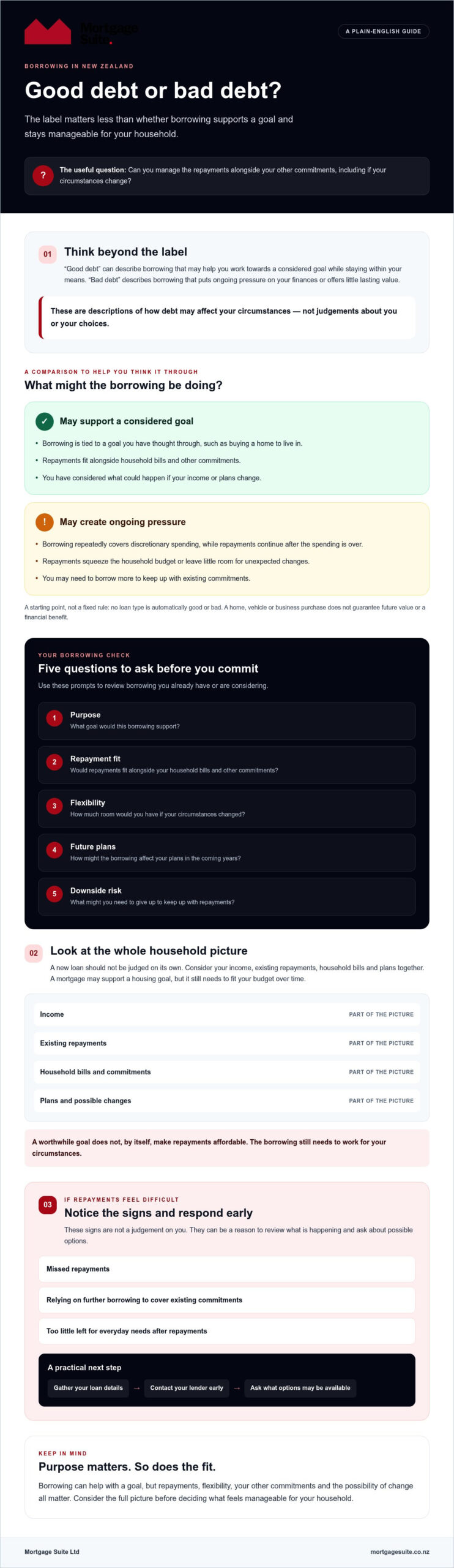
Should you switch your mortgage to another bank?

Currently, many banks are offering enticing cash-back offers to get people to transfer their mortgage lending.

But switching banks is about more than collecting a cash incentive.

You need to consider what’s actually involved in switching your mortgage to a new bank, and if it’s worth the effort

Here’s what you need to know before making a decision.

Are Cash Back Offers Worth It?

Currently, major lenders are offering cash-back offers to customers who are willing to move their mortgage to a new bank. When someone is offering you $10,000 to switch your mortgage, it’s a pretty tempting offer. We even managed to get someone a $50,000 cashback. But, it’s important to look beyond the immediate benefit of the cash and explore what’s really involved in a move.

What is a cash-back offer?

It’s an incentive a bank offers to encourage you to place your lending with them. The bank will give you a lump-sum of cash ranging in value, depending on the size of your mortgage. They don’t simply give this money for free though! There are some conditions involved:

  • Minimum Loan Amount – The amount of cash-back you receive is usually based on the size of your mortgage, with larger loans qualifying for higher cash incentives.
  • Lock-In Period – Most banks require you to stay with them for a set period (typically 2-4 years). If you leave early, you may have to repay the cash-back amount.
  • Competitive Loan Terms? – While the cash sounds great, it’s important to check that the new bank is offering a competitive interest rate and loan conditions.

Cash-back offers can provide an awesome short-term cash injection, but you need to ensure they make sense for your situation in the long run.

Are they worth it?

There isn’t a yes or no answer to this question, as you need to factor in:

  • Long-Term Costs – A cash-back offer will give you an instant financial boost, but is the new bank offering a competitive interest rate? Paying a higher interest rate over time could mean you actually spend more than the cash they are offering!
  • Break Fees – If your mortgage is on a fixed-term, you may find you have to pay a break fee to exit your current loan. This cost can sometimes cancel out the benefit of switching. Other fees, such as legal costs and valuation fees, may also apply. Sometimes, despite any immediate befits, it allows you to get out of higher fixed rate to current cheaper ones.
  • Loan Features – Thinking beyond interest rates and cash incentives, you need to consider whether the new lender provides better loan features. Some banks offer more flexible repayment options, offset accounts, or the ability to make extra repayments without penalty.

If the numbers stack up, a cash-back deal can be a smart move. But it’s essential to look at the bigger picture before making a switch.

What Is Involved in Switching Banks?

Moving your mortgage to a new bank isn’t as simple as just accepting a cash-back deal, and that’s the end of it. Here’s what the process typically involves:

  1. Mortgage Application – You’ll need to reapply for lending with the new bank, providing updated financial documents such as income statements, expenses, and debt details.
  2. Property Valuation – The new lender may require a fresh property valuation to confirm your home’s market value.
  3. Legal Process – Your solicitor or conveyancer will need to handle the transfer of your mortgage from one bank to another.
  4. New bank Accounts – Opening new bank accounts and transfer of AP’s and Direct Debits
  5. Settlement – Once all conditions are met, your loan is repaid with your old lender, and your mortgage is transferred to the new bank.

As you can see, switching your mortgage can take some time and energy. However, working with the right mortgage broker can make the process smooth and stress-free.

What You Need to Consider Before Switching

Before making the jump to a new lender, ask yourself:

  • Are you currently on a fixed-rate mortgage? – As we just mentioned, exiting your current mortgage early may attract break fees, which could reduce or eliminate any financial gain from switching.
  • How do the new bank’s rates compare? – A lower interest rate could save you more over time than a one-off incentive.
  • What fees are involved? – Some banks charge setup or legal fees, which may offset potential savings.
  • Will you need new valuations or documents? – Your new lender may require a new property valuation, which could come at an extra cost.
  • Does the new lender offer better long-term benefits? – Consider factors like flexible repayment options, offset accounts, or future borrowing potential.
  • What are your future plans? Your income, expenses and long-term financial plans should guide your decision. If you intend to sell your property soon, you need to consider how that might impact the conditions of your cash-back deal.

Why You Should Talk To A Mortgage Advisor First

Switching banks can be complicated, so you need to establish whether it is the right decision for you. A mortgage advisor can help you decide.

Here’s why working with an advisor is a smart move:

  • Compare All Your Options – Advisors have access to all the big banks and other lenders, so they can help you find the best deal beyond just the cash-back offer.
  • Understand the Fine Print – With a wealth of knowledge and experience, an advisor can assess the true cost of switching, including break fees and long-term savings.
  • Save Time & Hassle – From handling paperwork to negotiating with lenders, an advisor takes care of the hard work for you.
  • Get Ongoing Support – Even after you switch, an advisor can help you review your mortgage regularly to ensure you’re still getting the best deal.

Final Thoughts: Should You Switch?

Switching your mortgage lender can be a great financial move, but it’s not always the right choice for everyone. Before deciding, make sure you fully understand the costs, benefits, and potential long-term savings.

If you’re considering a move, the friendly team here at Mortgage Suite can help you assess whether switching is the best decision for you. Get in touch today for expert mortgage advice tailored to your situation!

How To Choose A Fixed Rate Term

How To Choose A Fixed Rate Term

Sometimes, it can feel like a gamble to refix your mortgage.

Should you fix long, or is a short-term rate better, and what about floating?

The reality is that the best fixed term for you will depend on a mixture of the current market conditions and your personal financial situation.

Locking in for too long could mean you end up paying more interest if the rates drop. But fixing too short may leave you vulnerable to sudden rate increases.

Here’s what to consider when deciding on the right fixed-term rate for your mortgage.


Should You Fix Short Or Long Term?

As we’ve discussed many times, there are a number of things that can cause interest rates to fluctuate. Inflation, OCR movements, global influences, and economic status are all factors.

Paying attention to these factors can help you to decide the right rate term for you. Here is some general advice on understanding when each term is a good option.

When a Long-Term Fixed Rate Might Be Right

Fixing for a period of 3-5 years can be beneficial when:

  • Interest rates are expected to rise: If continuous rate increases are on the cards, fixing for a longer term locks in a lower rate before the hikes occur.
  • The Reserve Bank is tightening monetary policy: When inflation is high, the Reserve Bank often raises the OCR (which we saw during the COVID aftermath) which pushes mortgage rates up.
  • You prefer certainty and stability: When you lock in a longer term rate, you know exactly what your repayments will be for that fixed term. It’s great for budgeting and you won’t be surprised by an unexpected rate increase.

When a Short-Term Fixed Rate Might Be Right

Choosing a shorter fixed term of 6 months to 2 years can be beneficial when:

  • Rates are expected to decrease: If economic conditions suggest interest rates could fall, fixing for a shorter period lets you take advantage of lower rates sooner.
  • The Reserve Bank is loosening monetary policy: When inflation is tamed and economic growth slows, the OCR may be reduced to encourage borrowing and investment, this impacts interest rates and often brings them lower.
  • You want flexibility: Shorter term rates allow you to capitalise on changes in the market quicker. They are also great if you intend to sell your property to avoid break fees.


Personal Factors To Consider

While market trends and external factors play a role in choosing which rate is best, considering your own financial situation and goals is just as important.

Here is what you should be thinking about before locking in a rate:

  • Income Stability: If you have a stable, secure income, you may be comfortable taking a shorter fixed term to potentially benefit from lower rates in the future. But, if your income is less predictable, fixing for a longer term can offer peace of mind with consistent repayments.
  • Future Goals: If you are planning to upgrade, downsize, or move in the next few years then a long-term fixed rate might not be ideal. If you plan to sell your home soon, breaking a fixed loan early can come with costly penalties. However, if you plan to stay put for a while, a longer term rate might work in your favour.
  • Risk Tolerance: Does the thought of rising interest rates stress you out? Then, a longer fixed term may help you sleep better at night. Yet, if you are comfortable with a bit of risk and want to keep your options open, a shorter term may suit you better.
  • Repayment Flexibility: Extra repayments can shorten the term of your loan and reduce the overall interest you pay, but some fixed rate mortgages limit the amount of extra repayments you can make. Consider this when locking in. You may also want to split your loan – fixing part of it for stability while keeping some on a shorter fixed term or a floating rate for extra repayment flexibility.


What Should You Fix For Now?

General advice is great to have, but it’s also really helpful to have specific advice based on exactly what the market is doing here and now. That’s when it can be really helpful to have a mortgage advisor on your side. A skilled professional, like the team here at Mortgage Suite, can look at your situation and the current rates available to make a recommendation on the best solution for you.

Recently, the advice has been not to fix until ‘26. However, sentiment may be starting to shift. The thought is that inflation seems to have been tamed and the Reserve Bank can loosen monetary policy. But, borrowers need to be careful as rates are highly unlikely to drop to the 2-3% region that we saw around COVID-times.

“Nobody can predict the absolute bottom, but you have to keep in mind that a good rate in a normal world is 4% to 5%. People need to be careful not to anchor themselves with thinking that we might get to 2% or 3%, because that’s really not likely to happen.”

At the end of 2024, the advice was to float, or to choose really short terms, like six months to a year. Now, the advice is slightly different. “We’re encouraging people to think about spreading their risk, fixing a chunk of their mortgage for two or three years and keeping the rest on a shorter term. It gives you a bit more flexibility, as well as the benefit of those rates around 5%”

So, is 4.99% as good as you can get right now?

Many lenders are currently offering a two year rate of 4.99%, should you be jumping at it? Well, potentially. Adrian Orr of the Reserve Bank has labelled 4.99% as a great rate that provides certainty. “[It] means that as a borrower, you get the lower interest rate immediately rather than waiting for what happens to the OCR and competitive responses over the next six months.”

However, the Reserve Bank has indicated that they are likely to make to the OCR in the April and May reviews, so rates could still decrease further. With that in mind, the best thing to do is to consult a mortgage advisor before making any decisions.

The team here at Mortgage Suite would be more than happy to work with you to discuss the available options for fixed terms and rates to see which is the most suitable for your personal situation. Get in touch with us now to start the conversation.

How To Keep Your Finances Attractive To Lenders Over Summer

Summer is traditionally a time of big spending.

With Christmas, family holidays and guests staying all rolled into one time period, the costs can start to add up!

However, if you are planning to apply for a mortgage or make a property move you will want to be mindful of what your summer spending might look like to potential lenders.

The good news is that you don’t have to live like Ebenezer Scrooge this holiday period just to keep your finances looking attractive.

We’ve put together a quick guide to make sure you can still enjoy your summer holidays without making any major financial blunders. Here it is:

Make Your Accounts Attractive To Lenders

A big part of being approved for lending is proving you are a responsible borrower. Lenders will scrutinize your habits so they can assess the risk factors of lending to you. You can prove your responsibility by ensuring your accounts look good by bank standards.

Here’s how you can do that:

1: Don’t Blow The Budget

Overspending is a big red flag for lenders, it can indicate you are not good with your money. A good way to keep your spending in line is to create a realistic budget and stick to it. When you create your budget, include your usual expenses, but also factor in your gifts, travelling costs and any festive activities.

The key step in making sure your budget is a success is sticking to it! You can use a simple spreadsheet or an app to track your spending and avoid unnecessary splurges. Proving you can stick to a budget goes a long way towards showing lenders you are in control of your finances.

2: Avoid Going Into Overdraft

Another part of displaying responsible spending is ensuring your bank accounts remain in the black! If you are frequently going into overdraft or dipping into your savings, then it’s not a good look. Plan ahead for your summer expenses so you can avoid going into unexpected overdraft.

3: Keep Up The Savings

Maintaining consistent savings is a really positive sign for lenders. Even small, regular deposits into your savings account make a big difference. Lenders like to see that you are building a financial safety net. If you can, automate your savings to align with payday so it becomes a habit even during the festive season.

4: Keep Your Income Steady

Does your income fluctuate seasonally? That’s pretty common if you are self employed or work in a seasonal industry. Unfortunately, fluctuating income can be a negative mark against your name for a lender. So, if you can find ways to smooth out your income month to month, it will gain you some brownie points. Side hustles or part-time work is a good way to bridge any income gaps and demonstrate stability.

5: Minimise Spending Splurges

When you apply for any form of lending, banks will review your accounts and spending activity. If you can limit excessive spending on unnecessary expenses like dining out or luxury purchases, it looks better for you. It allows you to present a more disciplined financial picture.

Big Mistakes To Avoid

It can be easy to get swept up in the excitement of Christmas. But, some financial blunders can make lenders think twice about approving your mortgage application. Here are the traps to avoid:

1: Running Up The Credit Card Debt

It can be tempting to swipe away and spend up large on your credit card over the festive season. Pre-Christmas and Boxing Day sales are particularly tempting. But, it’s important to remember that high credit card balances or late payments can damage your credit score. If you want to use a credit card for cashflow purposes or to gain reward points, then aim to pay off as much of the balance as you can each month – in full is best.

2: Buy Now Pay Later Schemes

While Buy Now, Pay Later schemes can seem convenient, they actually clutter your financial records and can even signal to lenders that you are living beyond your means. It is much better to pay for your purchases upfront or even put them on your credit card (then pay off the balance before it incurs interest).

3: Don’t Miss Bill Payments

With so much going on over the holiday season and the summer period, it is easy to get distracted and forget about paying your bills. To ensure that you don’t accidentally miss any due dates, it can be helpful to set up reminders or automatic payments. Also, make sure all your bill payments are covered before any discretionary spending takes place. This is a simple way to maintain strong financial records.

4: Overspending On Gifts

While it is nice to spoil your loved ones at Christmas, extravagant spending can eat into your savings and blow out your spending records. Instead of flashy gifts, consider some thoughtful, budget-friendly options instead. There are plenty of things you can gift that cost very little, think homemade options like cookies or even donating your time for gardenwork or other jobs.

5: New Borrowing

Taking out a new loan is not a good look when you are on a journey to buy a home. Whether it’s a personal loan for a summer holiday or financing a big-ticket item, avoid taking on new debt before applying for a mortgage. Lenders prefer to see a stable financial position free from recent borrowing.

Keep Those Finances Healthy

It is possible to have a fun summer break without breaking the bank and derailing your financial goals. It’s all about striking a balance between spending and sensibility. By budgeting wisely and avoiding costly financial missteps, you can set yourself up for success when applying for a mortgage.

This is not something that you have to tackle alone. If you are unsure about how to navigate summer in a way that the banks will approve of, then the best thing to do is to talk to a trusted mortgage adviser like the team here at Mortgage Suite.

Contact us today for expert tips and guidance on keeping your finances lender-ready, so you can enjoy the summer stress-free and still take the first steps toward owning your dream home.

Another OCR Cut – Now What For Your Mortgage?

Another OCR Cut - Now What For Your Mortgage?

Another OCR announcement and another OCR cut. This is great news, of course.

But, just how great is it for your mortgage?

How much could you save and what is the best strategy from here?

Let’s answer all those questions now.

The Situation As It Stands

In their last OCR review of 2024, the Reserve Bank announced that they were cutting the OCR by a further 50 basis points, lowering it to 4.25%. They have also indicated that there will not be any further reviews until 19th February 2025. So, this most recent OCR cut was the last attempt to rejuvenate the economy for some time.

The previous OCR cuts do seem to be having an effect on the property market already. ‘In terms of mortgage numbers the total number of 19,273 loan commitments in October was the biggest in a single month since December 2021.’ Along with this proof of increased lending, the Reserve Bank is confident the housing market is recovering. It is forecasting house price growth of -0.2% for 2024, but feels the market will then increase, peaking at 7.4% growth in March 2026.

So, what does all that mean?

Basically, because the OCR and other factors are contributing to lower interest rates and there have been recent changes in lending conditions, the property market is picking up again. There is more confidence in the market with lower mortgage rates in play and probably further cuts to come.

This is good news for a lot of groups – first home buyers may be able to enter the market, people who were holding off on property moves might now be able to make them, and those with existing mortgages will see some relief in their interest rates.

How Far Will Interest Rates Drop?

Unfortunately, it is unlikely that we will see a 0.5% drop in all interest rates to match the 0.5% OCR reduction. As we have discussed before, the OCR is just one of the factors that impact mortgage rates here in NZ. There are a whole bunch of other factors to consider.

Currently, NZ’s economy is still sitting on the cusp of recession. We are either just in one or barely out of one. And global economies are not really fairing much better than ours. The USA is planning large tariffs on goods entering from Canada, Mexico and China, and the USA, UK and Australia are all facing stubborn inflationary pressures.

All of this is impacting the domestic cost of borrowing money for our major lenders. So, that is blocking the potential for large cuts on fixed mortgage rates currently.

All hope is not lost though. With a flurry of rate cuts on the eve of the latest OCR announcement and further cuts since, mortgage rates are still tracking down. There just isn’t the scope for huge cuts yet. It is likely that the longer term rates will remain high, with greater scope for movement in the shorter term rates.

How Much Could You Save?

Whenever interest rates start to go down, one of the biggest questions mortgage advisers get asked is, ‘Should I break my current mortgage rate so I can get a better one?’ The right answer to this question will vary depending on your personal circumstances.

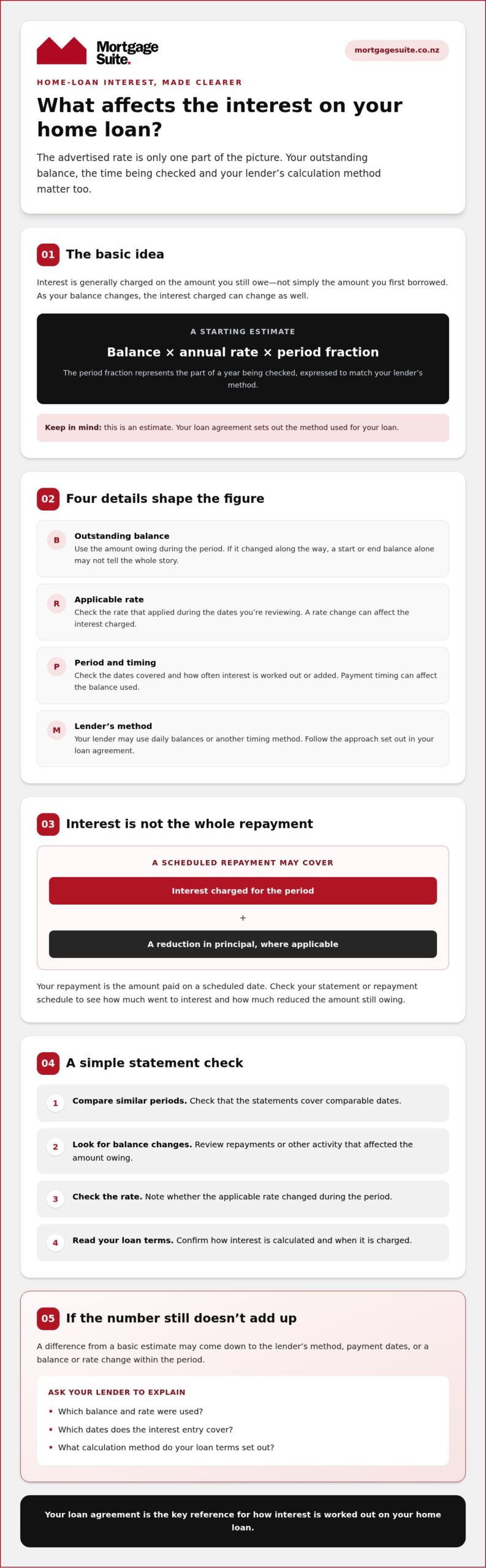
When you agree to fix your mortgage at a certain rate for a set term, you are signing a contract with your lender. If you want to break that contract to try and save yourself money, you need to recognise that the lender may lose money. For that reason, they may charge what is known as a break fee to recoup any lost profit.

The amount of the break fee will depend on:

  1. The amount being repaid: The larger the amount, the higher the potential fee.
  2. The remaining term of your fixed-rate loan: The longer the remaining term, the higher the fee may be.
  3. The difference in interest rates: If current interest rates are lower than your fixed rate, the break fee will be higher.

For example, if you locked in a fixed mortgage rate of 5% but current rates are now 3%, the lender loses the extra 2% in interest for the remainder of your fixed term and would charge accordingly. That means, if you are considering breaking a fixed mortgage rate, you will need to weigh up whether the cost of a break fee will negate any potential savings you might get from fixing at a lower interest rate.

The best thing to do is to have a chat with a trusted mortgage advisor, like the team here at Mortgage Suite, before making any decisions. We can give you an indication of what to expect and whether breaking your current fixed term might be worth it.

What Should Your Mortgage Strategy Be?

There is always a lot to think about when it comes to your mortgage. Usually one of the biggest investments in your life, you want to make sure you have a strong strategy in place regardless of what your long term plans are.

For existing mortgage holders looking to refix: With interest rates predicted to fall further throughout 2025, the 6-month and 1-year rates are probably looking pretty attractive right now. The short term rates are popular because it means you can capitalise on any further reductions quickly.

For first home buyers: Now is an excellent time to enter the market as there are many listings available, interest rates are more reasonable than they have been in a long time, and lending conditions are more favourable.

For property sales and subsequent purchases: The same sentiment applies as for first home buyers, now could be a good time to make that move you had been considering.

For investors: DTI rules that came into effect in July could impact investment portfolio opportunities, but this could still be a time to explore your options.

The best advice we can give is to discuss your plans with a trusted mortgage adviser. Here at Mortgage Suite, we would welcome the opportunity to have this chat with you. Once we understand more about your situation, we can provide tailored advice to help you make the best decisions regarding your mortgage and also help you achieve your goals. Contact us now.


Should I Consider A Floating Mortgage Rate?

Page Title: Should

The moment has come for mortgage holders, the mortgage rates are finally getting better!

The OCR has been cut twice with predictions of further cuts on the radar.

It’s all great news.

But, what do you do in this interim period while rates are tracking downwards, yet promise to go lower still? Should you fix or should you maybe consider a floating mortgage rate?

Let’s look at your options.

What Is A Floating Mortgage Rate?

Floating mortgage rates are a type of home loan interest rate that can fluctuate over time. These changes reflect what is going on in the broader financial space, along with the current OCR.

Because this interest rate is heavily influenced by the OCR and market conditions, the amount of interest you are required to pay on your mortgage can increase or decrease depending on what the market is doing. Obviously, this would change the amount of your repayments.

Considerations For A Floating Rate

There are a number of reasons why you might choose to “float” your mortgage payments:

  1. Flexibility

You can make extra repayments or pay off your loan early without incurring penalties, which can help reduce the overall interest paid over the loan term. This can be helpful if you are planning to move soon or to make a lump sum payment off your mortgage.

  1. Interest Rate Decreases

If interest rates do end up decreasing, a floating rate lets you take advantage of lower repayments immediately, as your mortgage rate adjusts to reflect the new market conditions.

  1. Short-Term Solution

A floating mortgage can be ideal if you expect to refinance, sell your property, or switch to a fixed-rate loan in the near future. This way, you avoid the restrictions and break fees often associated with fixed-rate loans.

While there are some good things about choosing a floating rate, there are some potentially negative aspects to consider also:

  1. Higher Rate

Due to the fact that floating rates offer borrowers such great flexibility, they tend to be higher than any fixed rates that the banks offer. So, you would need to factor in the additional cost that a higher rate attracts to work out whether it is the best financial option for you in the long run.

  1. Exposure

When on a floating mortgage rate, you are very exposed to market conditions. Rates can change without warning and on a daily basis. This will impact the amount of interest you need to pay, therefore potentially changing your repayment amounts.

It’s important to remember that while floating rates offer flexibility, they also come with risks. If interest rates rise, you could be looking at increased repayments. This can make budgeting more difficult as your monthly repayments may fluctuate.

Plus, floating rates do not tend to drop as quickly as fixed rates, so you could end up paying a higher rate unnecessarily.


Should You Fix Or Float Right Now?

As a general rule, choosing between a fixed and floating mortgage rate will depend on your current financial situation and property plans. If flexibility is a priority and you are comfortable with potential repayment fluctuations, then a floating rate might be suitable in the short term.

However, if you want to secure the best rates possible and prefer consistent repayments for budgeting, a fixed rate is probably the best for you.

Most New Zealanders do prefer fixed rates to floating with the vast majority of mortgages currently on fixed term rates. But, the question does need to be asked if floating rates are currently a viable option with interest rates tracking down.

Generally speaking, it is likely to cost you more in the long run to pay floating rates long term as current floating rates are upwards of 7.5%. However, if you are planning to sell your property soon or your fixed rate is due to expire around the time of a pending OCR decision, a floating rate could be a good interim measure.

Before locking anything in, it’s best to chat about your options and run the actual numbers with an experienced mortgage adviser. So, feel free to contact the team here at Mortgage Suite for honest advice tailored to your personal situation.

What About Refixing?

With interest rates currently falling faster than we’ve seen in a long time, you might be wondering when you should refix your mortgage if your fixed-term rate is up for renewal.

The answer is… wait as long as you possibly can!

Most lenders will start the discussion of refixing a couple of months out from your current fixed-term expiration date. But, with rates currently decreasing on what seems like a weekly basis, you could end up paying more interest than you need to by refixing too early.

Interest rates could fall by half a percent (or more) in two months and the difference it could make in your repayments is anywhere between $10 and $50 a week. That could be extra money in your pocket, which is very helpful for all families in the current cost of living crisis.

With the Reserve Bank set to make another OCR decision in November, it would be sensible to delay refixing until after that time if your current rate does not expire before then. It is expected that the OCR will be cut further in that November meeting, which will drive interest rates down even further.

Mortgage Help Is Always Here

In a decreasing market, it can be hard to know whether or not to fix your mortgage. And that doesn’t even include the worry about more specific questions such as when you should refix and how long for. That’s why it is sensible to ask for help.

As experienced mortgage advisers, we live and breathe the financial markets week in and week out. That’s why we can offer you excellent tailored advice that suits your situation. We can help you make a plan for your mortgage that ensures you don’t pay more interest than you need to and don’t miss out on the lower rates we are seeing from the banks.

Chat with us today for a no obligation review of your mortgage and advice about what is the best strategy for your plans and goals.

Why Are The Longer Fixed Rates Lower And Should You Take Them?

Why Are The Longer Fixed Rates Lower And Should You Take Them?

In August 2024, the Reserve Bank finally did what all mortgage holders were hoping for and made a minor cut to the OCR.

This triggered a flurry of interest rate cuts from all mortgage lenders. Many of the longer term rates snuck under 6% for the first time in ages.

So, why are these longer term rates lower than the short term ones and should you be taking them?

Let’s answer those questions now.

Why Are The Longer Term Fixed Rates Lower?

Currently, the longer term mortgage rates are lower than the shorter ones, but that is not always the case. This situation has come about because of the current economic conditions and market expectations. There are a few reasons why this has happened:

  1. Market Expectations: When the OCR is predicted to decrease, lenders often price their longer term rates lower. That’s because they know their borrowing costs will drop over time. It makes offering more attractive long term rates less risky when it comes to fluctuating costs, they know they are not likely to lose money on the lending.
  2. Inflation: When inflation is set to decrease, long term rates can be set lower as lenders can have confidence that inflation will not erode the value of the money they lend. Lower inflation expectations reduce the pressure on future interest rates, meaning longer terms can be set at a lower rate.
  3. Bank Funding Costs: NZ banks source their funding from domestic and international markets. So, the cost of borrowing money can be influenced by global and local markets. If the cost of obtaining long term funding is cheaper than short term, the interest rates will reflect that.
  4. Competition: In a slow property market, there are only a small amount of new borrowers entering the market. So, lenders aggressively competing for market share will reduce their long term rates to appeal to borrowers looking for long term stability.

As you can see, no one thing will create lower long term rates. It’s all about lenders managing their risk profile, ensuring they cover off future uncertainties. In a declining market, we can expect the longer term rates to be cheaper than the short term rates, and vice versa in a rising market.

So, should you take the long term rates now?

Should You Fix Long?

As interest rates are expected to reduce further in the coming months, we would not necessarily recommend fixing for a 5-year term now. Of course, everyone’s circumstances are different, so the only way to get the best rate for your finances is to discuss your options with a mortgage adviser.

It wasn’t so long ago that the Reserve Bank was saying the OCR would not be cut until 2025. But, with weaker than expected economic conditions, they made the move to cut the OCR from 5.5% to 5.25% in August. In the wake of that announcement, economists tipped there could be further reductions of 25 basis points in both the October and November reviews.

As the weeks have progressed, sentiment has intensified and economists are predicting that an October rate cut is all but a certainty. They are saying the only discussion the Reserve Bank should have is whether that cut should be 25 basis points again, or bumped up to a cut of 50 basis points.

Why are we expecting these big cuts now when they were not on the cards two months ago? Well, it seems inflation has largely been tamed by the extended period of restrictive monetary policy, expected to fall within the targeted range of 1-3% in the September quarter. Inflation was the key driver for keeping the OCR high, so now that it is thought to be under control, rates can drop again.

So, in answer to the question of whether you should fix long now, we would probably caution against it as if the current trajectory continues, rates will continue to drop in 2024 and 2025.

Why Don’t We Have 30 Year Rates?

It’s interesting to look at other markets around the world to see how they compare to ours. The USA has a completely different mortgage market. It’s commonplace for Americans to lock in a 30-year term for their mortgages.

However, instead of their longest term rates being the smallest, like they currently are in NZ, they tend to be more than the shorter 10, 15 and 20 year rates. That is so the financial providers can cover the risk of rate movement within that huge term.

But, why don’t we have 30-year rates here in NZ? Imagine the joy of locking in a 30-year term at the glorious post-pandemic rates of 2%! That very point is part of the reason why our NZ lenders cannot provide fixed term rates for that long.

New Zealanders love a fixed term mortgage, in fact, 90% of all Kiwi mortgages are on fixed terms. But, we fix for shorter terms to play the market. You’d be hard pressed to find a fixed term longer than 5 years in NZ.

That’s because banks and other lenders need to protect themselves against future interest rate movements where rates may move above what the borrower has agreed to pay. Our mortgage market simply cannot sustain big gaps between borrower repayments and the cost of bank lending. The US market has the size and scale to weather the ups and downs of the wholesale mortgage market.

How Long Should You Fix For?

Here in NZ, we will have to stick with 5-year terms, with 30-year options not available to us. But, as we’ve just mentioned we wouldn’t recommend long fixes in a declining market. While those 5% figures might look attractive now, they will look less attractive as rates track down further in the coming months.

What we would recommend is chatting to a mortgage adviser about your current structure and the rates available to you. Often, mortgage advisers can secure rates that are better than the standard advertised figures, so we’d love to see how we can help you fix for the right term.

Contact the team at Mortgage Suite today for a free no-obligation chat.